10 Golden Reasons You Need Turmeric: From Your Garden to Your Wellness Routine
Curcuma longa🌿
Turmeric is often hailed as a super-spice, and for good reason! This vibrant, earth-scented herb is so much more than the golden powder coloring your curry. It’s a versatile powerhouse that offers benefits ranging from powerful natural medicine to surprising uses in your home and garden.
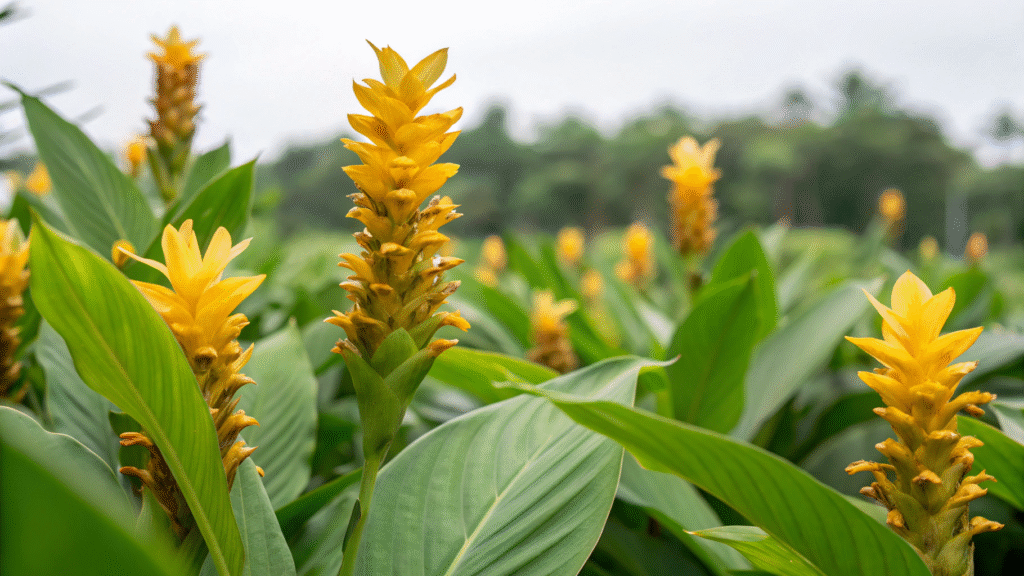
If you’ve ever wondered how to incorporate this golden wonder into your life beyond the kitchen, you’re in the right place. We’ve compiled the top ten reasons why every enthusiast needs turmeric—not just in their pantry, but in their holistic lifestyle. Prepare to unlock the full potential of this incredible tropical perennial!
1. Turmeric Plant Basics & Growing: A Tropical Beauty for Your Home
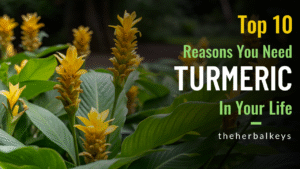
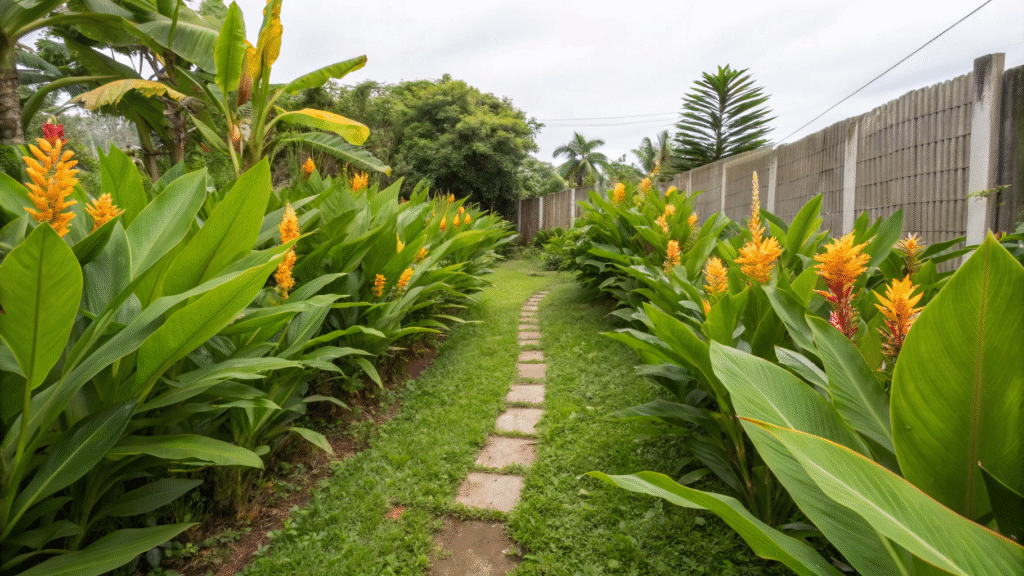
Turmeric is a stunning, tropical herbaceous perennial belonging to the ginger family, making it an attractive addition to any garden or indoor collection. Characterized by its lush, paddle-shaped, green leaves—often adorned with a beautiful reddish-purple stripe—the plant can grow up to three feet tall and wide.
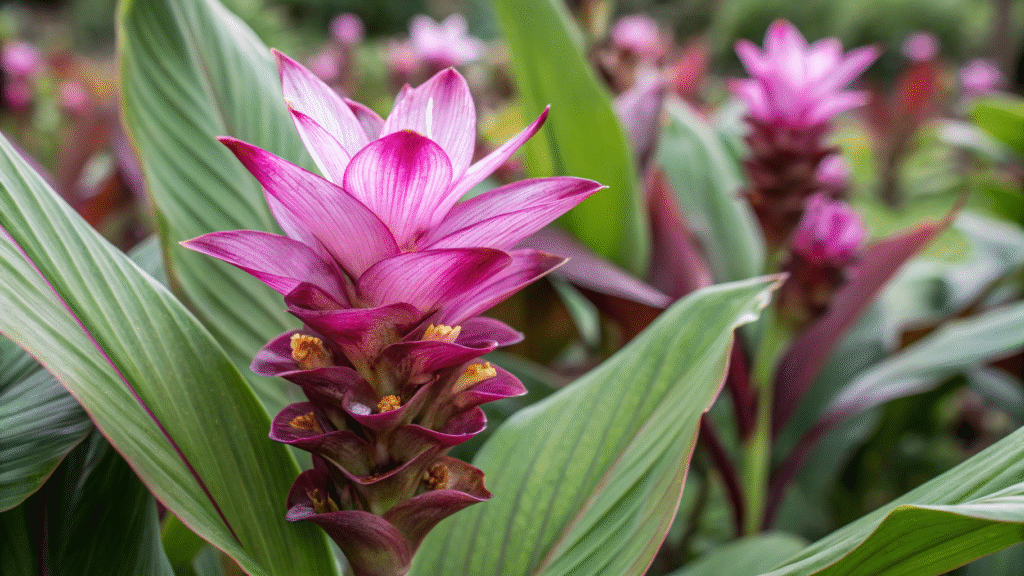
While it thrives year-round as a perennial in tropical regions (USDA Hardiness Zones 7-11), it can easily be cultivated as a container annual in cooler climates. When grown indoors, it requires bright, indirect light and consistent warmth to flourish. Watching the tall shoots and beautiful foliage emerge from the soil is a rewarding experience, providing both a valuable harvest and a fragrant, decorative houseplant. Consider planting a few rhizomes in spring to enjoy the growth all summer long.

2. The Amazing Turmeric Rhizome: Propagation and Boosting Soil Health
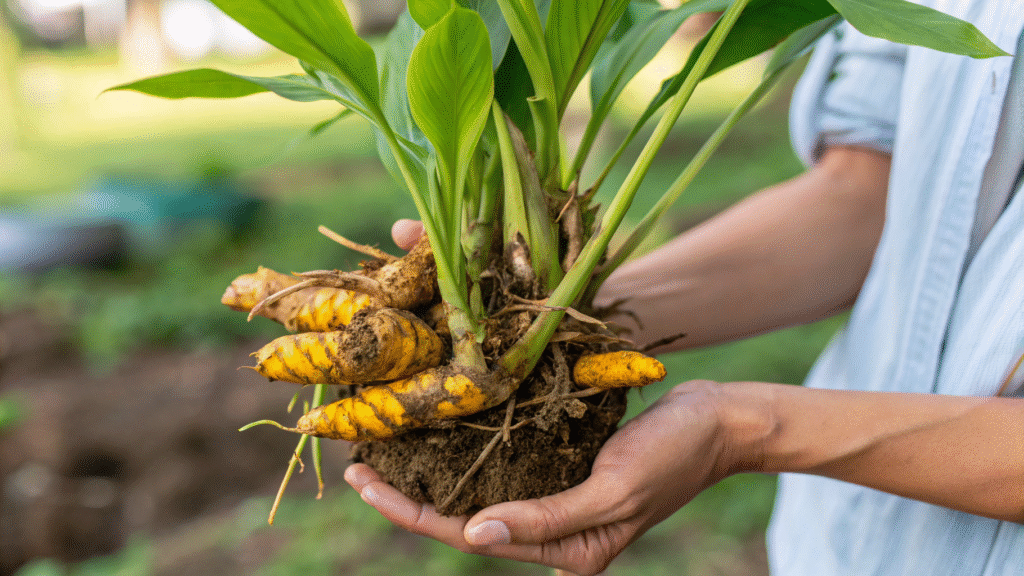
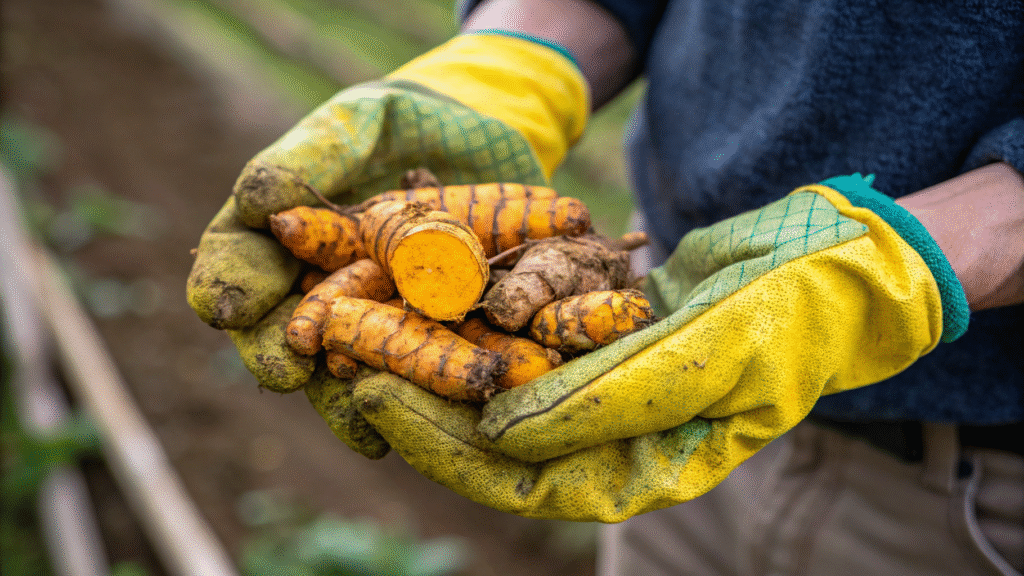
The rhizome, or underground stem, is the most prized part of the turmeric plant, containing all the concentrated flavor and beneficial compounds. However, its purpose extends beyond consumption, serving as the plant’s primary method of propagation.
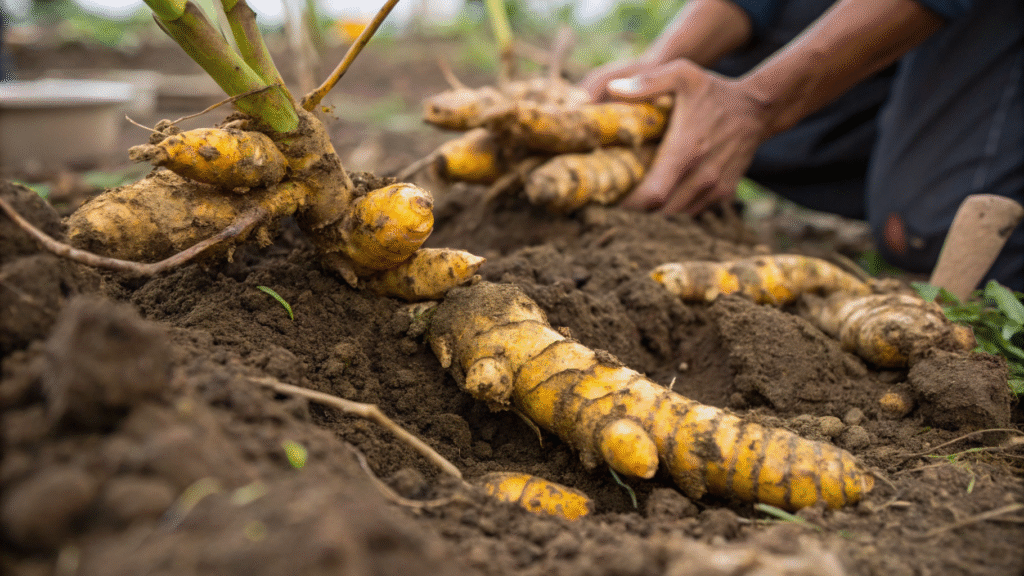
Starting your own turmeric patch is simple: find a fresh rhizome with visible growth buds (“eyes”), cut it into pieces, let them dry slightly, and plant! This easy propagation method ensures a self-sustaining supply for years to come. Furthermore, the presence of turmeric in the soil is linked to better soil health. Its natural compounds have been studied for their ability to potentially suppress certain soil-borne pathogens and encourage a more robust ecosystem, leading to healthier, stronger overall growth for the turmeric plant itself and neighboring companion plants.
3. Natural Pest Control Indoors & Out: A Non-Toxic Deterrent
Looking for natural ways to keep unwanted visitors out of your living spaces and gardens? Turmeric powder acts as an effective, non-toxic deterrent due to its strong, earthy aroma and mildly pungent taste.
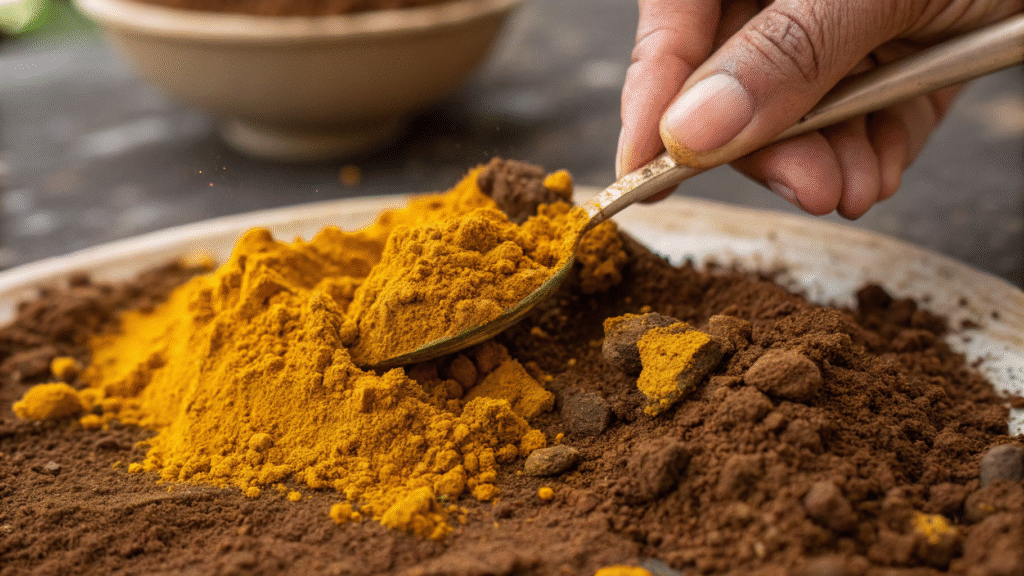
Indoors, a thin sprinkle of the powder across window sills, along doorways, or in pantry corners can help create a natural barrier against common invaders like ants or pantry moths without relying on harsh chemicals. Outdoors, you can protect your vulnerable plants by lightly dusting leaves to discourage chewing insects like aphids, or mixing it into the topsoil. Best of all, unlike many synthetic pesticides, turmeric is generally considered non-toxic to pets and children in small, incidental exposure amounts, making it a safer option for family-friendly gardening.

4. Potential Anti-Inflammatory Benefits: Supporting Long-Term Wellness
One of the most scientifically celebrated reasons to use turmeric is its powerful potential as a natural anti-inflammatory agent. This benefit stems largely from its primary active component, curcumin. Chronic inflammation is a key factor in many long-term health issues, including conditions like arthritis, metabolic syndrome, and heart disease.
Curcumin has been shown in various studies to help modulate inflammatory pathways within the body, potentially offering relief and supporting overall cellular health. To maximize these effects, it is often recommended to consume turmeric alongside black pepper, which contains piperine—a compound that dramatically enhances the body’s absorption of curcumin. Consistent, moderate inclusion in your diet can be a proactive step toward managing daily inflammation.
5. Rich in Antioxidants through Beverages: Your Daily Golden Boost
Turmeric is a powerhouse of antioxidants, essential compounds that fight against free radicals—unstable molecules that damage cells and contribute to aging and disease. Incorporating turmeric powder into your daily beverages is perhaps the easiest way to ensure a consistent intake of these beneficial curcuminoids.
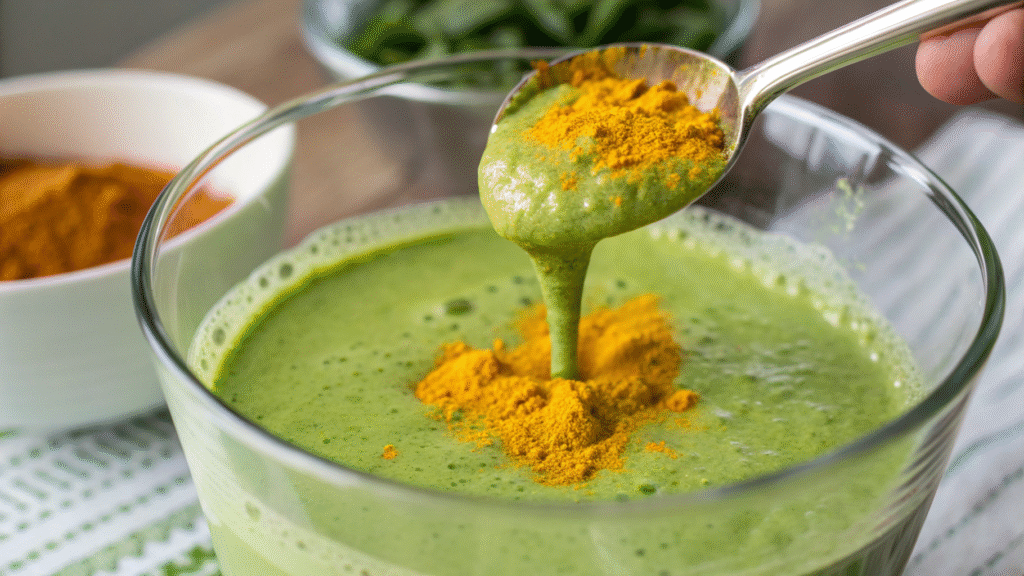
For your morning ritual, try adding a teaspoon of turmeric powder to your fruit and vegetable smoothies. Its mild earthiness blends well with sweet ingredients, transforming your drink into an antioxidant-rich meal replacement.
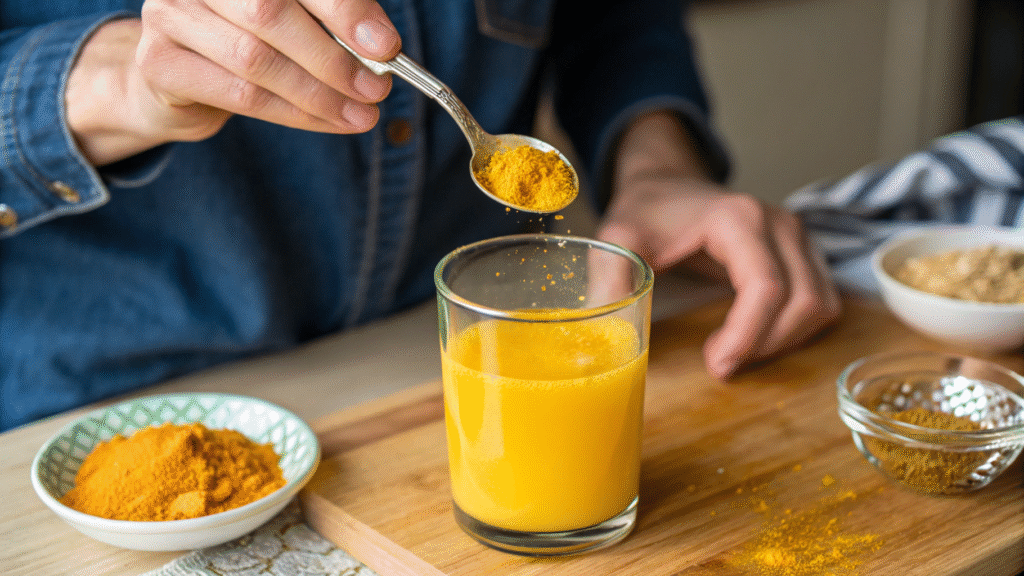
For afternoon refreshment, stir a small pinch into iced lemonade or fresh orange juice. It offers a subtle, spicy zing while delivering a vital health boost, making it a simple, delicious habit to adopt for long-term well-being.
6. The Heart of Indian Cuisine & Curries: Flavor Foundation
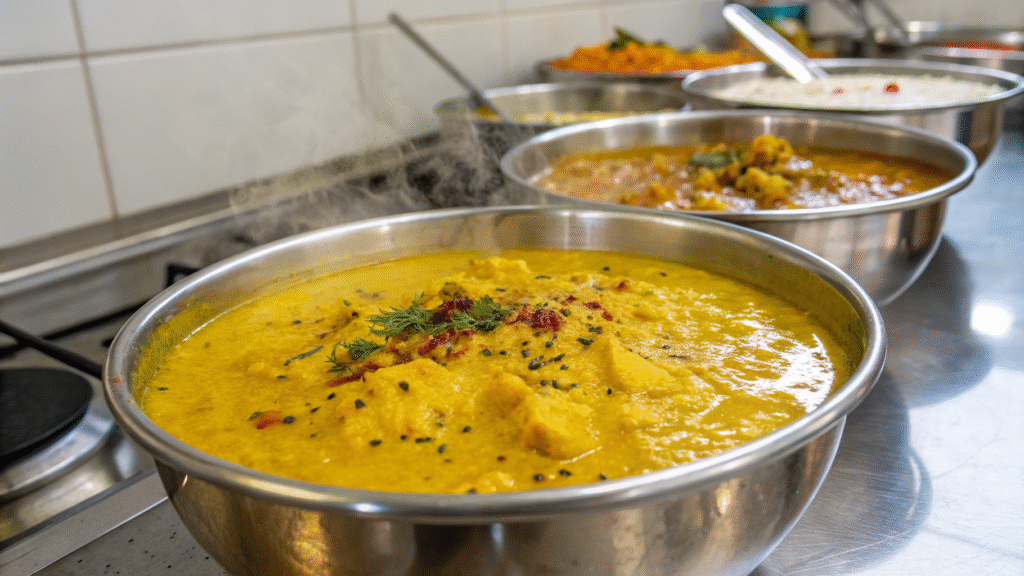
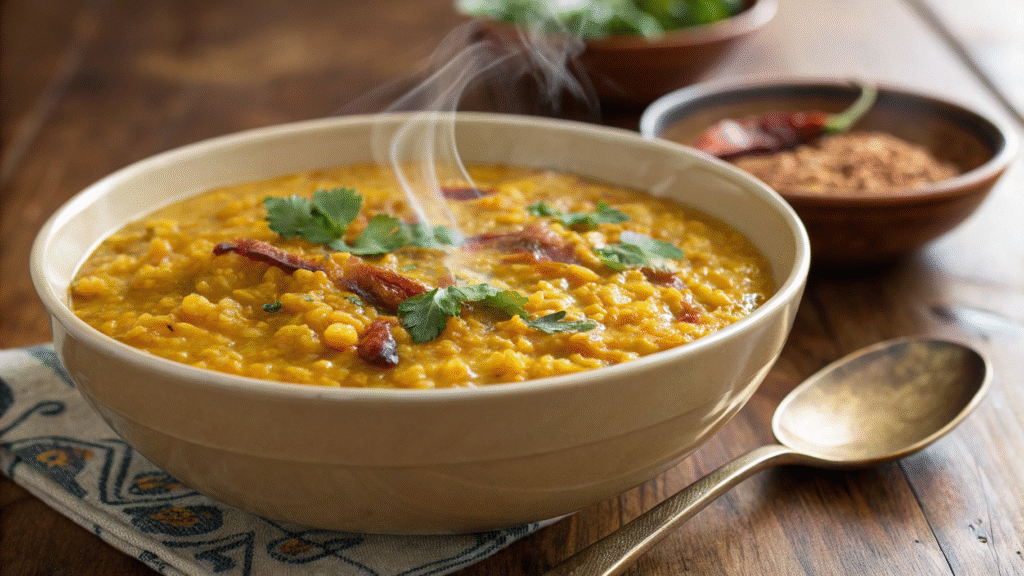
In the culinary world, turmeric is arguably most famous as the soul of Indian cuisine. It is foundational to nearly every classic curry, lending not only its signature, irresistible golden-yellow color but also a crucial warm, earthy base flavor. This spice forms the backbone of dishes from the rich, complex Chicken Tikka Masala to simple yet satisfying Daals (lentil stews).

Turmeric is frequently used in the tadka—the technique of tempering spices in hot oil or ghee—to unlock its full aroma and depth of taste before being added to a dish. Without turmeric, the authentic character and visual appeal of Indian cooking simply wouldn’t be the same, solidifying its status as an indispensable spice in the subcontinent.
7. Essential in Pan-Asian Cuisines: Tradition and Brightness
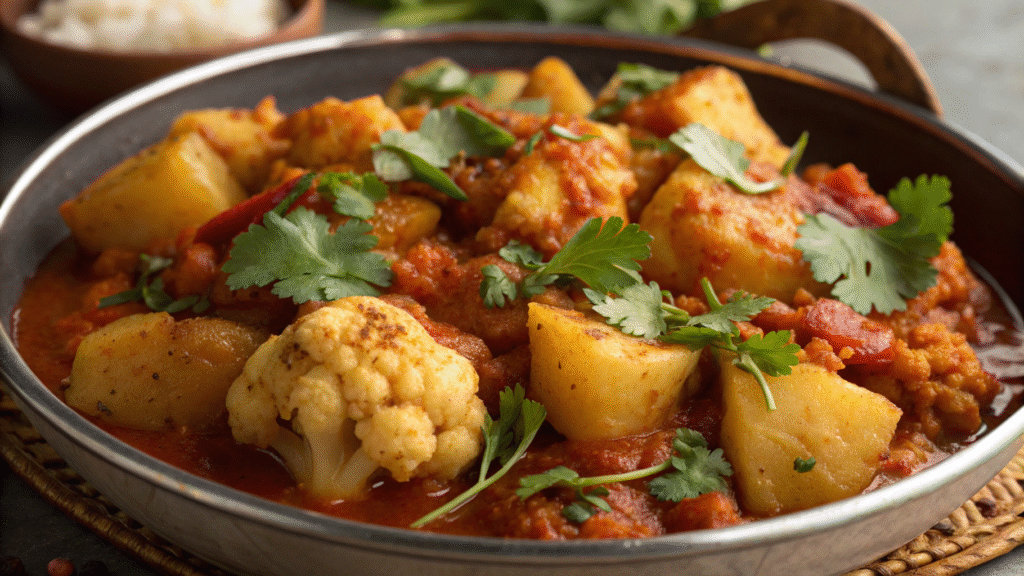
The influence of turmeric stretches far beyond India, serving as an essential component across a spectrum of Pan-Asian cuisines. In Southeast Asia, particularly Thailand, Indonesia, and Malaysia, turmeric is frequently used fresh, where the root is pounded into aromatic curry and spice pastes. This fresh form imparts a brighter, more pungent flavor than the dried powder.
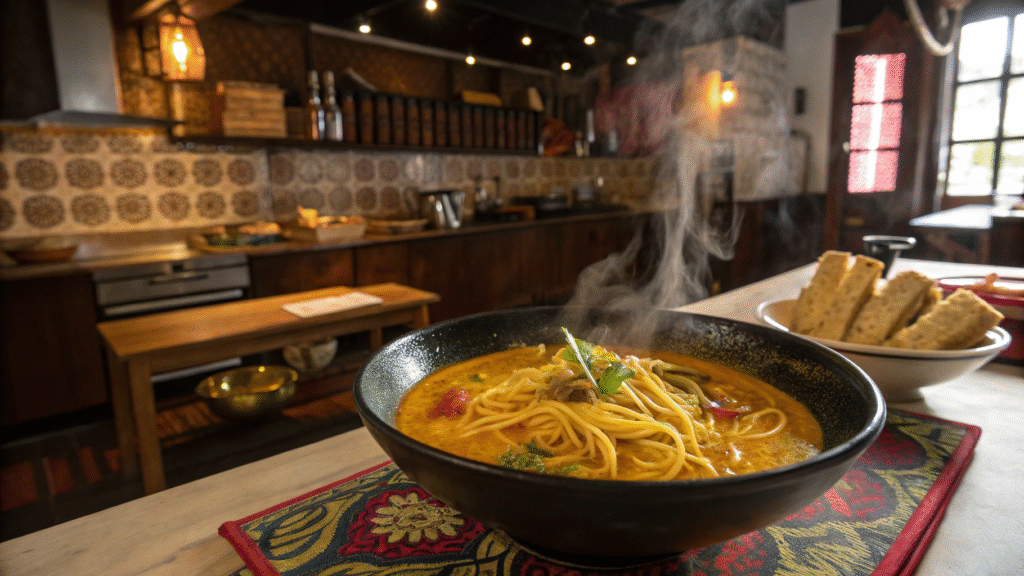
Dishes like Thai Yellow Curry, the vibrant Indonesian celebration rice known as Nasi Kuning, and the rich, complex broths of Malaysian Laksa all rely on turmeric for their distinctive color and flavor profile. Its presence is vital for defining the regional authenticity of these cuisines, showcasing its versatility whether used in a dried powder form for color or fresh for intense flavor.

8. Global Flavor and Coloring Beyond Asia: Expanding Culinary Horizons
Turmeric’s appeal is truly global, enriching cuisines across Africa, the Middle East, and the Caribbean. This adaptation highlights its versatility as both a seasoning and a natural coloring agent in non-Asian traditions. In North Africa, particularly Morocco, turmeric is a standard inclusion in fragrant tagines and couscous, offering subtle warmth alongside ginger and cinnamon.
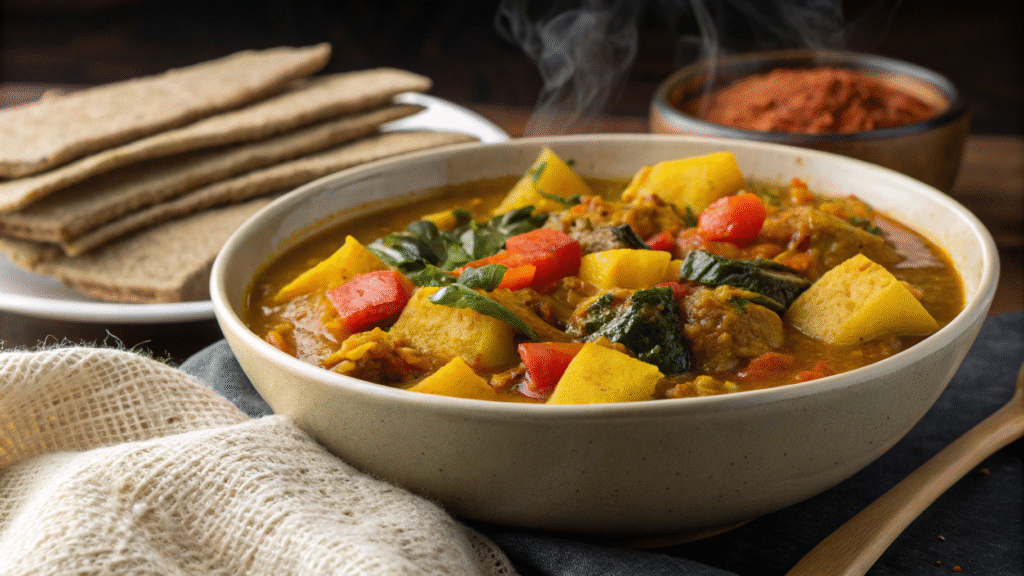
In Ethiopia, it is a key component in the spice blend berbere, which is vital for simmering savory wot (stews). In the Caribbean, turmeric is heavily featured in island curries (like those in Jamaica and Trinidad), providing the bright golden hue and deep earthy flavor that differentiates them from their South Asian counterparts, proving that this golden spice truly travels the world.

9. Natural Dye for Fabrics and Crafts: A Golden Pigment
Long before the advent of synthetic colorants, turmeric was valued as a natural dye, revered for producing rich, beautiful shades of yellow and orange. This property makes it excellent for natural dyeing projects on fabrics like cotton, silk, and wool.
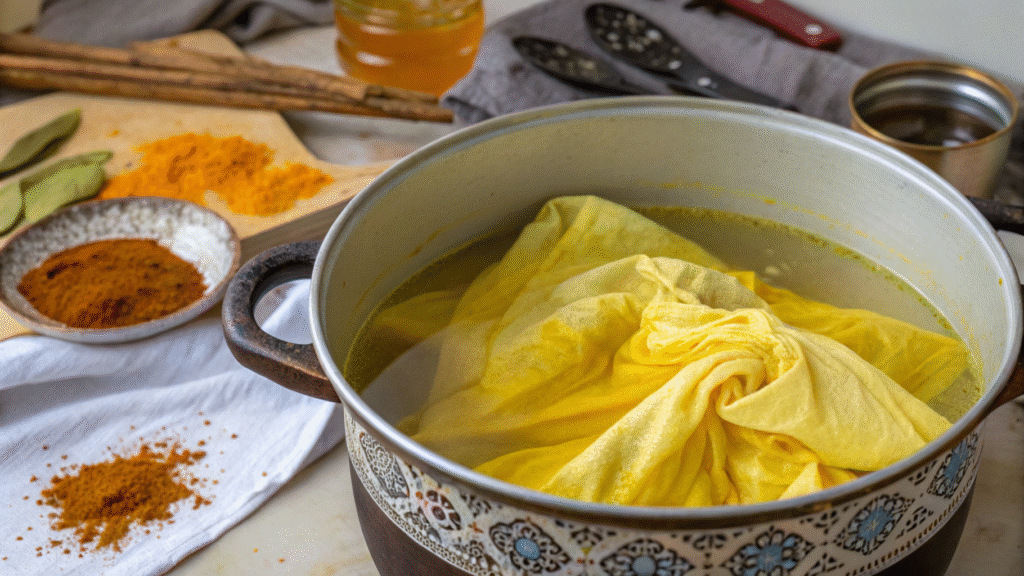
Historically, artisans in South Asia utilized it extensively for creating vibrant textiles often associated with auspicious ceremonies. You can harness this pigment power easily at home for DIY projects. The key to permanent dyeing is using a mordant—a fixative like alum—that binds the color to the fabric fibers. By simmering pre-treated fabric in a simple turmeric bath, you can achieve a lovely, organic yellow color for crafts, eggs, or small textiles, connecting you to ancient dyeing traditions.

10. History, Folklore, and Cultural Significance: A Sacred Herb
Finally, turmeric is steeped in thousands of years of history, folklore, and profound cultural significance, particularly across South Asia. Revered not only for its medicinal and culinary uses, it holds deep symbolic meaning, often representing purity, good fortune, and fertility.

In many Hindu ceremonies, the rhizome is considered a sacred object, and turmeric paste is applied to the skin of brides and grooms before weddings—a ritual believed to bless the couple and impart a healthy glow. Its vibrant golden color symbolizes the sun and life-giving energy. This deep-rooted history, which treats turmeric with reverence as a blessing from the earth, adds another layer of appreciation to this truly extraordinary herb.

Conclusion: Embrace the Golden Life
From becoming a stunning, aromatic plant in your garden to fortifying your body with potent antioxidants and coloring ancient ceremonies, the reasons to embrace turmeric are abundant. Whether you choose to grow it, cook with it, or simply drink it in your morning tea, this golden herb offers a wealth of value that seamlessly integrates with a holistic, natural lifestyle.
Ready to see these amazing reasons in action? Dive deeper with our visual guide and watch the full video!
Watch the Video: Top 10 Reasons You Need Turmeric!