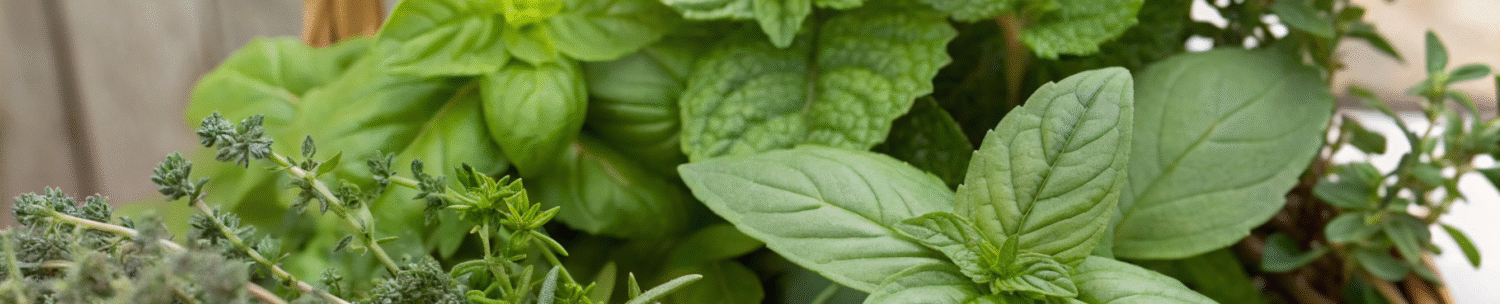
Beyond Pesto: 10 Surprising Reasons You NEED Basil (Easy Growing & More!)
Ocimum basilicum🌿
Hey herb lovers! If you’re like us, you know there’s something truly special about fresh basil. Today, we’re diving deep into why this fragrant, flavorful, and all-around fantastic herb deserves a prime spot in your life. Get ready to discover why basil is a must-have in your garden and a game-changer for your kitchen and well-being!
Watch the Video Here: Beyond Pesto: 10 Surprising Reasons You NEED Basil (Easy Growing & More!)
A World of Varieties to Explore!
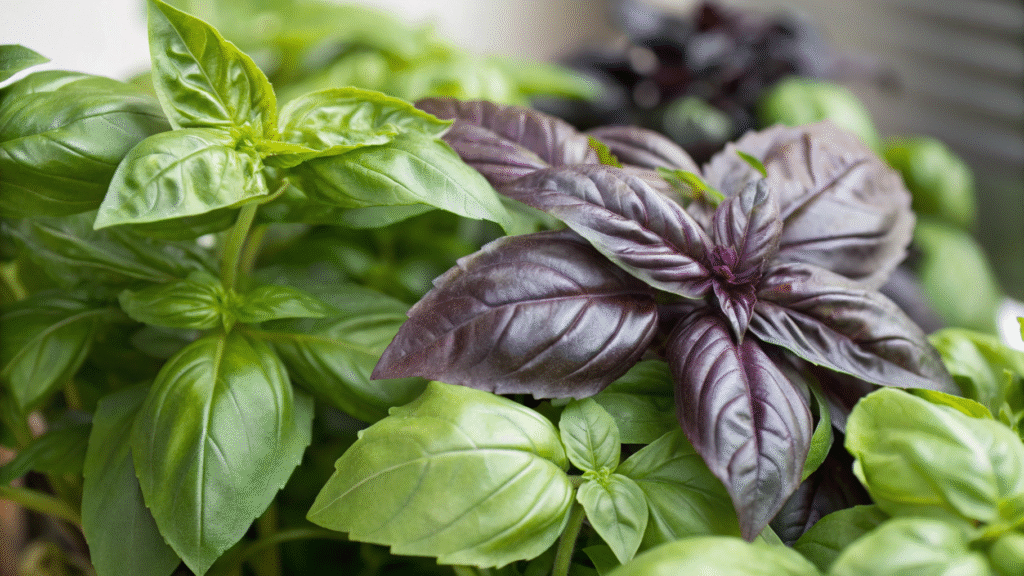
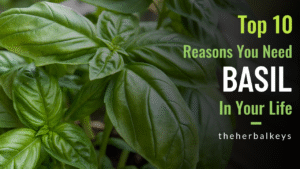
Basil isn’t just one plant; it’s a diverse genus within the mint family (Lamiaceae), boasting over 60 different species and numerous cultivars, each with its own unique characteristics.
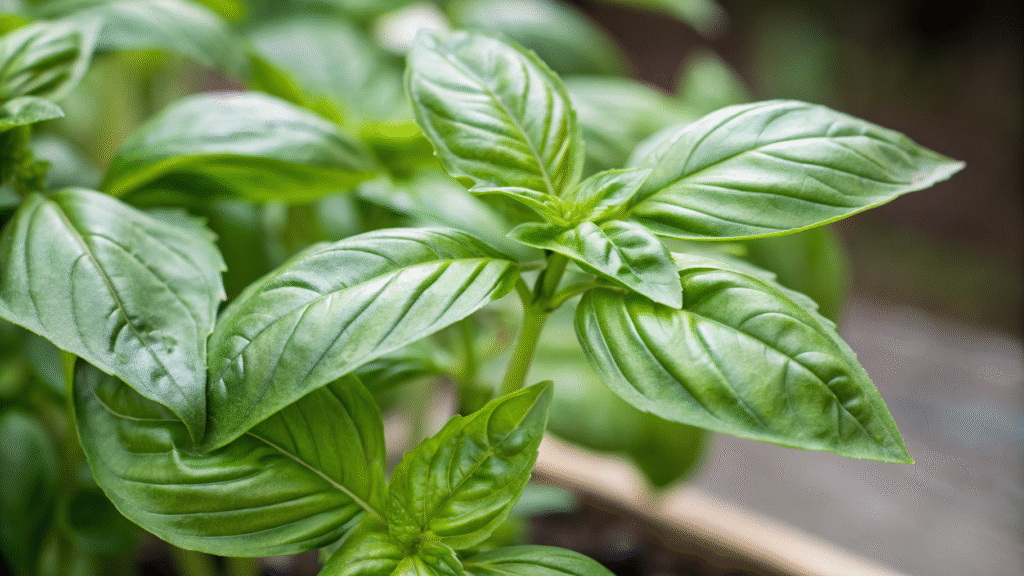
The familiar Sweet Basil (Ocimum basilicum) is a cornerstone of Italian cuisine, offering that classic sweet and slightly peppery flavor we all know and love.
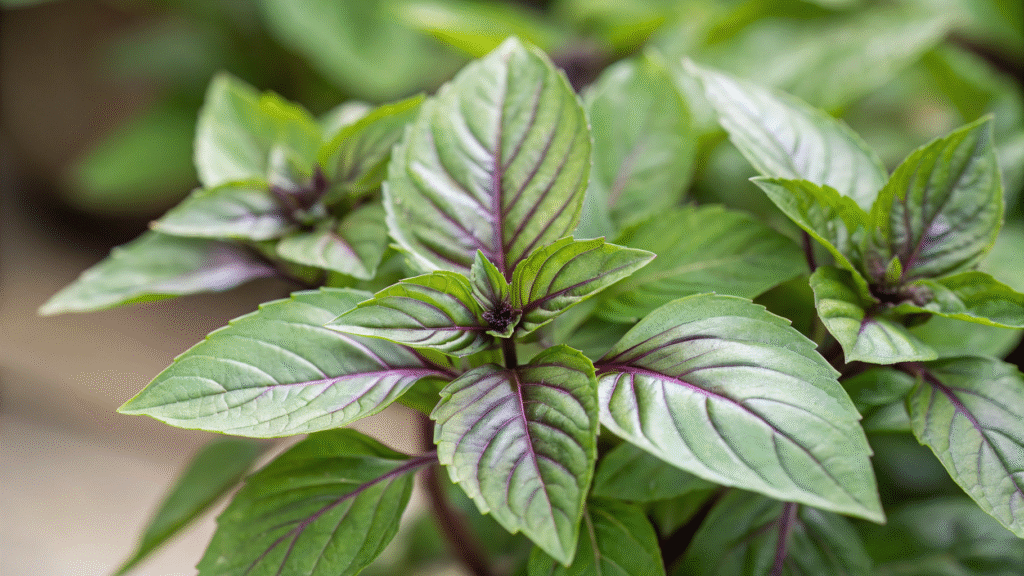
But venture beyond, and you’ll discover the anise-like notes of Thai Basil (Ocimum basilicum var. thyrsiflora), a staple in Southeast Asian cooking, holding its flavor well under heat.
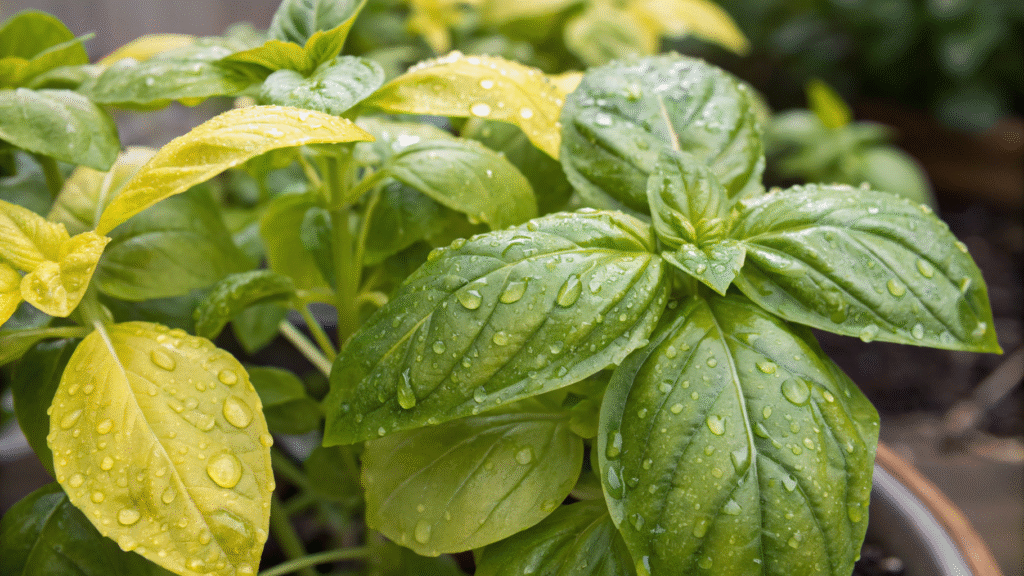
Lemon Basil (Ocimum × citriodorum) provides a bright, citrusy aroma and taste, perfect for salads and beverages.
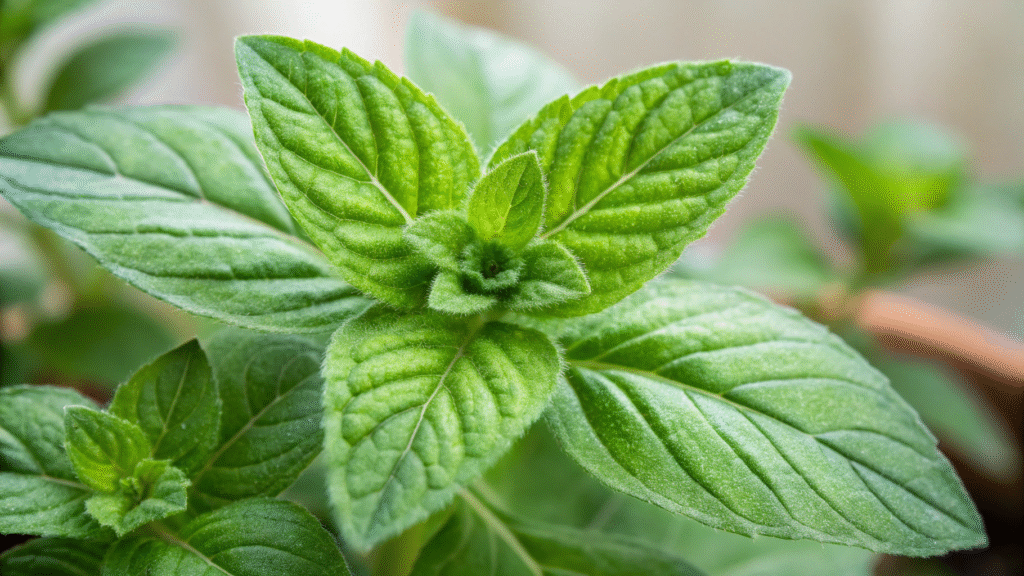
Then there’s the revered Holy Basil (Tulsi) (Ocimum tenuiflorum), not just a culinary herb but an adaptogen used for centuries in Ayurvedic medicine for its stress-relieving and immune-boosting properties, with a more complex, slightly peppery and clove-like flavor.
Exploring the different types of basil opens up a world of culinary and aromatic possibilities, allowing you to tailor your garden and your dishes to your specific preferences and needs. Understanding these nuances can truly elevate your gardening and cooking experiences.
2. Super Easy to Grow & Keep Coming!
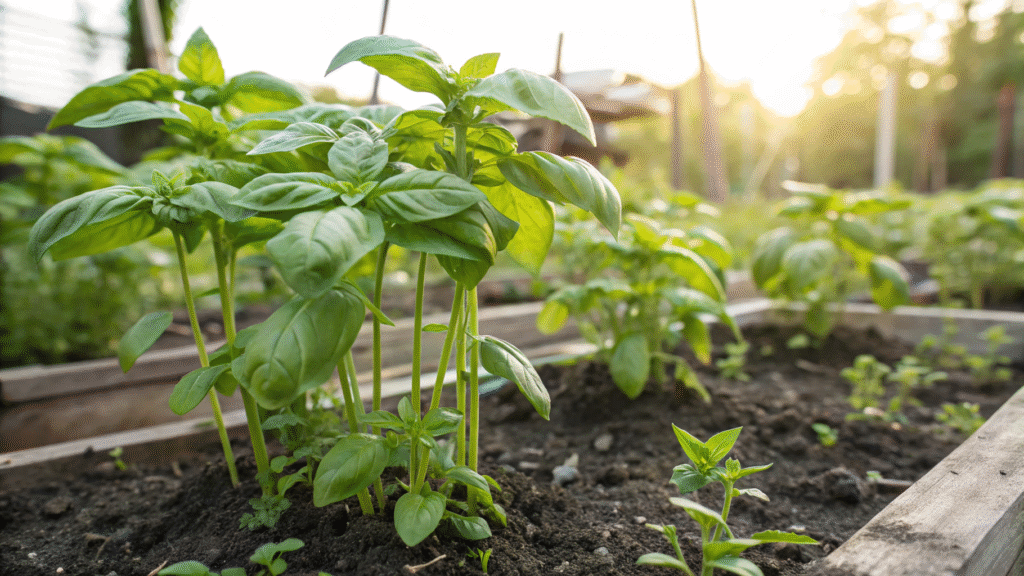
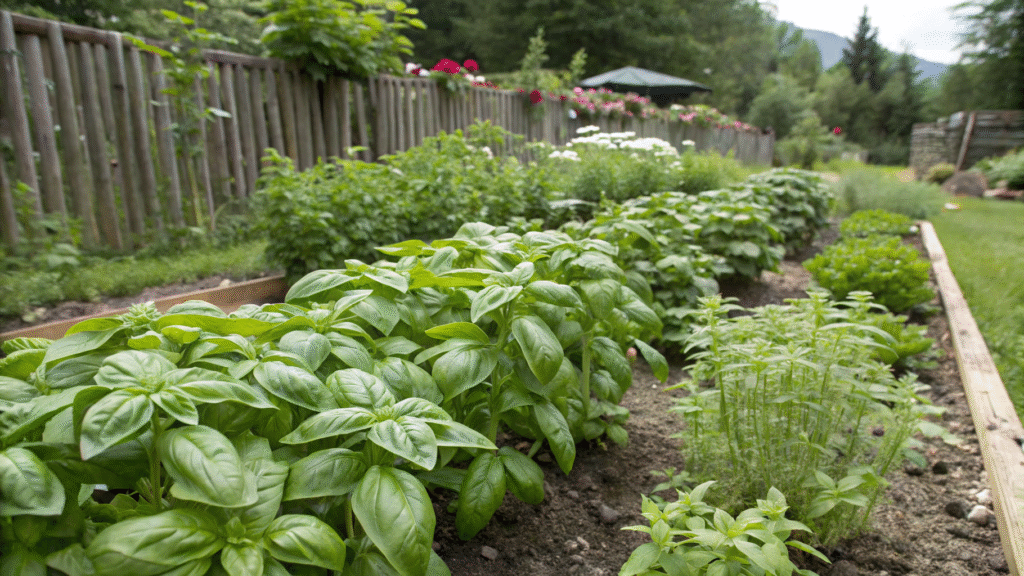
The ease of growing basil contributes significantly to its popularity among both novice and experienced gardeners. Basil thrives in warm temperatures and requires at least 6-8 hours of direct sunlight daily, making a sunny windowsill or a well-lit garden spot ideal. Well-draining soil is crucial to prevent root rot, and consistent watering is key, especially during hot summer months, though it’s important to avoid overwatering. The beauty of basil also lies in its growth habit; regular harvesting, or “pinching back” the top sets of leaves, encourages bushier growth and prevents the plant from flowering too early, which can diminish leaf production and flavor. This leads perfectly into the concept of succession planting. By sowing new seeds or planting young seedlings every 2-3 weeks throughout the spring and summer, you ensure a continuous and abundant supply of fresh basil leaves, extending your harvest season and guaranteeing you’ll have enough for all your culinary adventures, from fresh salads to large batches of homemade pesto.
3. Natural Pest Repellent!
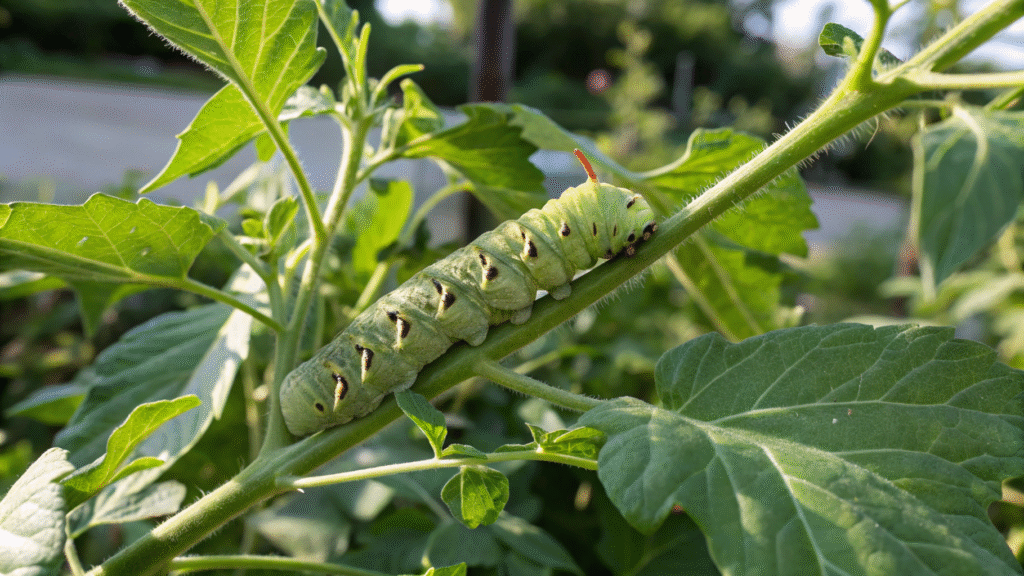
Basil’s natural ability to repel certain garden pests is due to the presence of volatile organic compounds (VOCs) in its leaves, particularly essential oils like linalool, eugenol, and citronellol. These aromatic compounds, while pleasing to us, can be quite off-putting to various insect pests. Planting basil strategically throughout your garden can create a natural barrier and disrupt the scent trails that pests use to locate their favorite food sources. The effectiveness of basil as a pest repellent has been observed against common garden nuisances such as tomato hornworms, whose larvae can decimate tomato plants, as well as aphids, small sap-sucking insects that weaken a wide range of plants, and even some types of flies and mosquitoes.
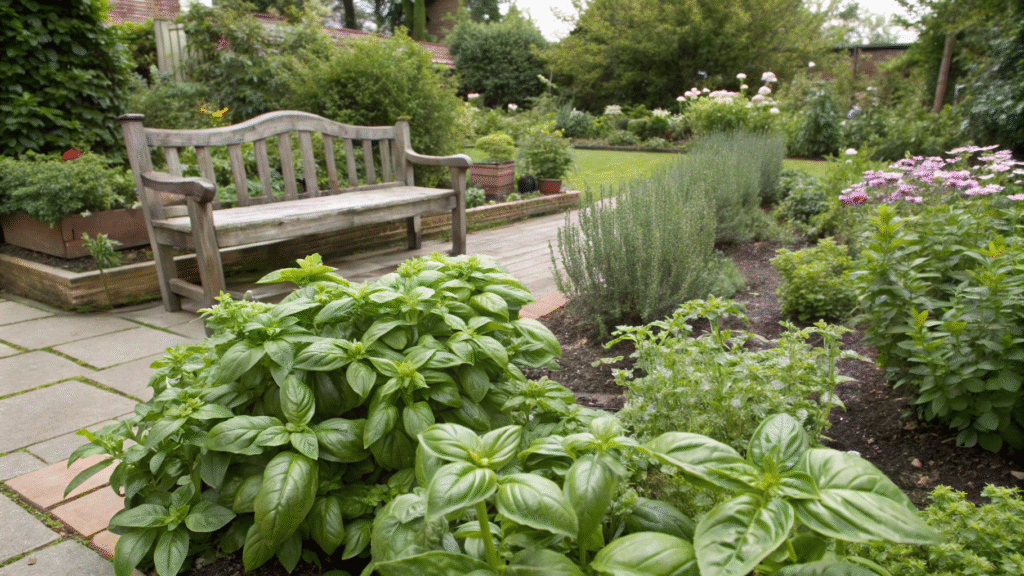
By incorporating basil into your planting schemes, you can reduce your reliance on chemical pesticides, promoting a healthier and more balanced garden ecosystem where beneficial insects thrive and your vegetables can flourish without the constant threat of being eaten alive. This natural form of pest control is not only environmentally friendly but also contributes to the overall health and vitality of your garden.
4. Fantastic Companion Plant!
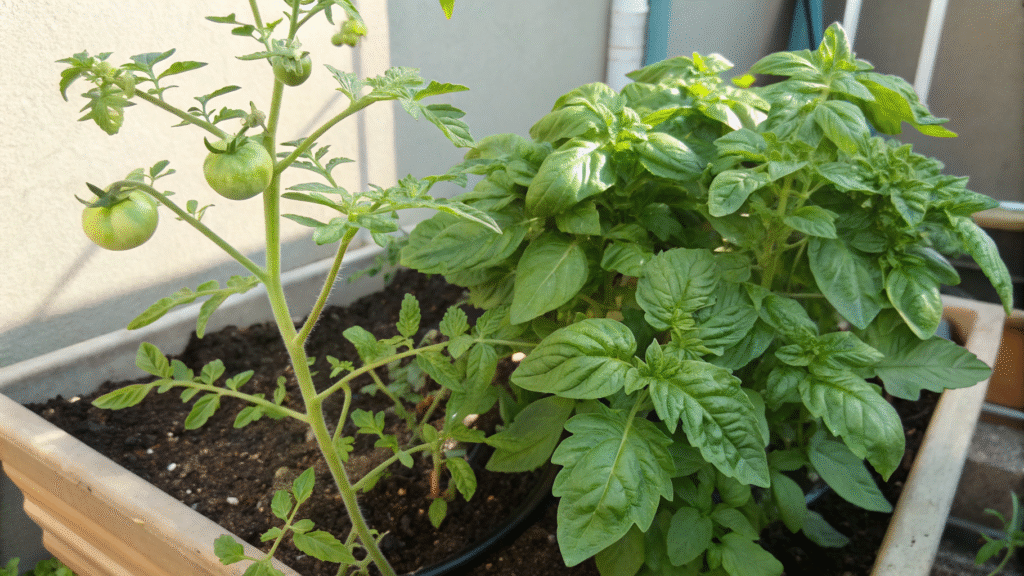
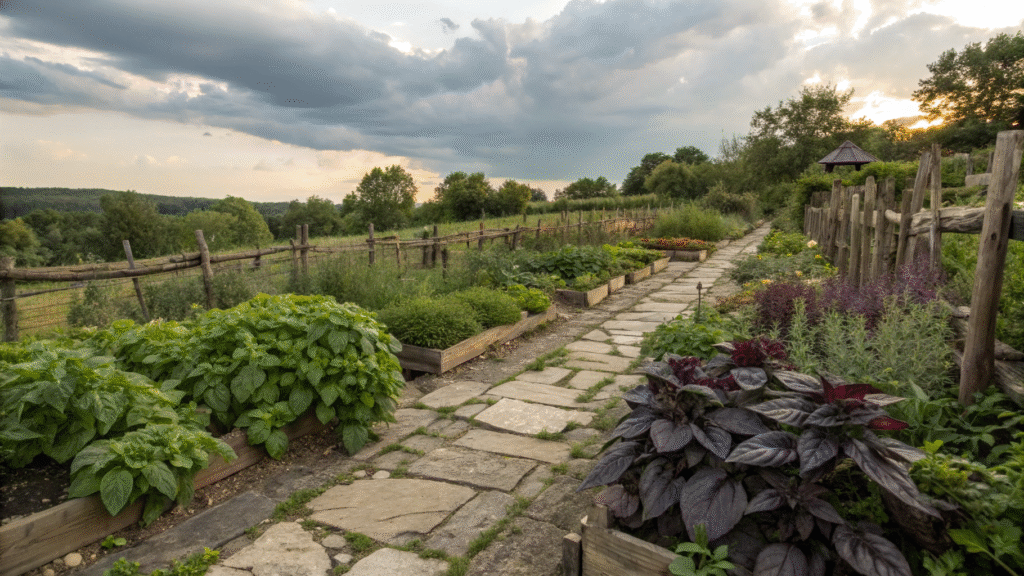
The concept of companion planting, where different plant species are grown in close proximity to enhance each other’s growth, flavor, and pest resistance, finds a star player in basil. The classic pairing of tomatoes and basil is a prime example of this synergistic relationship. It’s believed that basil not only repels some tomato pests but may also improve the flavor and overall health of the tomato plants. Similarly, basil is known to be a beneficial companion for peppers, potentially deterring aphids and other pests that can affect pepper production.
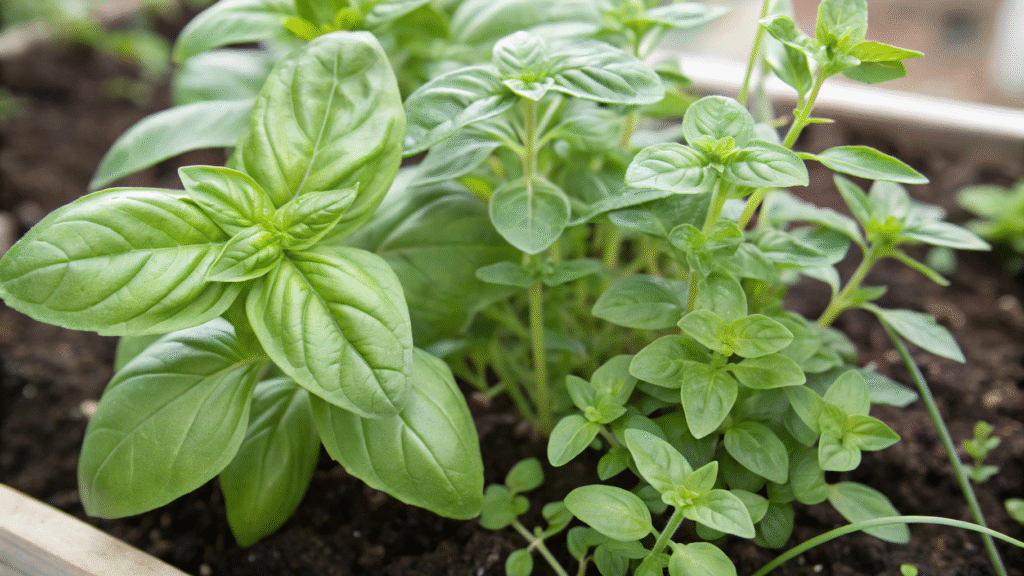
When planted near oregano, basil may even help to improve oregano’s growth and essential oil content. Furthermore, some gardeners have found that basil can be a helpful neighbor to certain flowers, contributing to a more vibrant and pest-free ornamental garden.
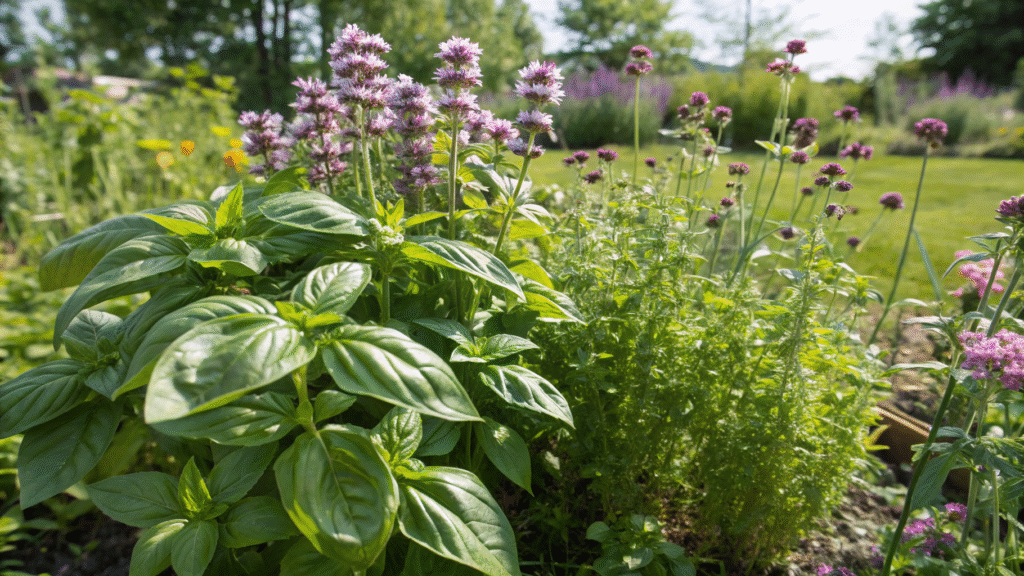
The exact mechanisms behind these beneficial interactions are still being studied, but the anecdotal evidence and traditional gardening wisdom strongly support the idea that basil plays a crucial role in creating a thriving and harmonious garden environment. By thoughtfully placing basil alongside other plants, you can harness its natural properties to create a more productive and resilient garden space.
5. Attracts Beneficial Pollinators!
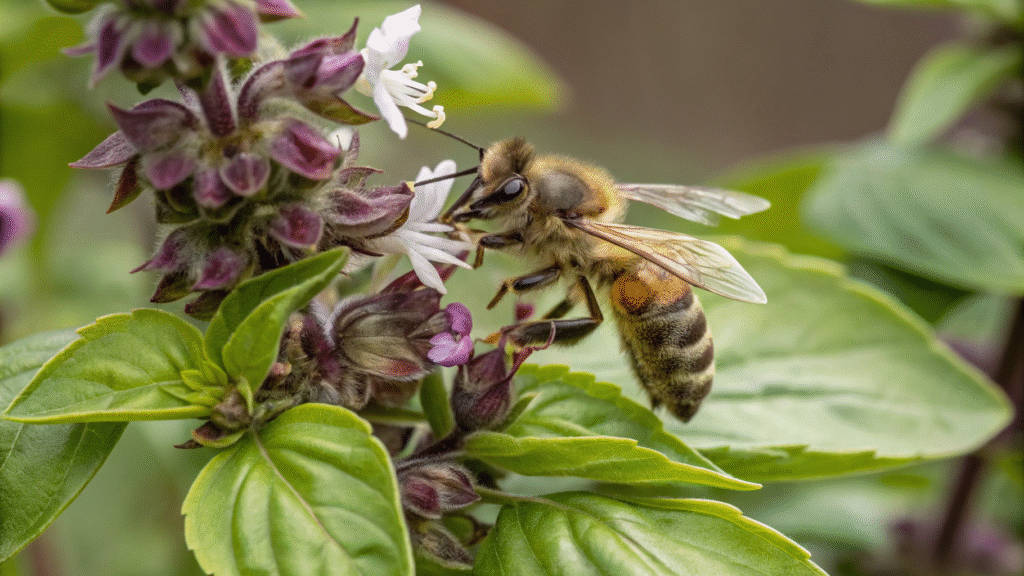
While actively growing for its flavorful leaves, allowing some of your basil plants to flower offers an additional ecological benefit by attracting a variety of beneficial pollinators, particularly bees. The small flowers produced on basil stalks are rich in nectar, providing a valuable food source for these crucial insects. In turn, the bees and other pollinators that visit your basil will also pollinate your other flowering plants and vegetables, contributing to fruit and seed development across your garden. This is especially important in supporting local biodiversity and ensuring the continued productivity of your edible plants.
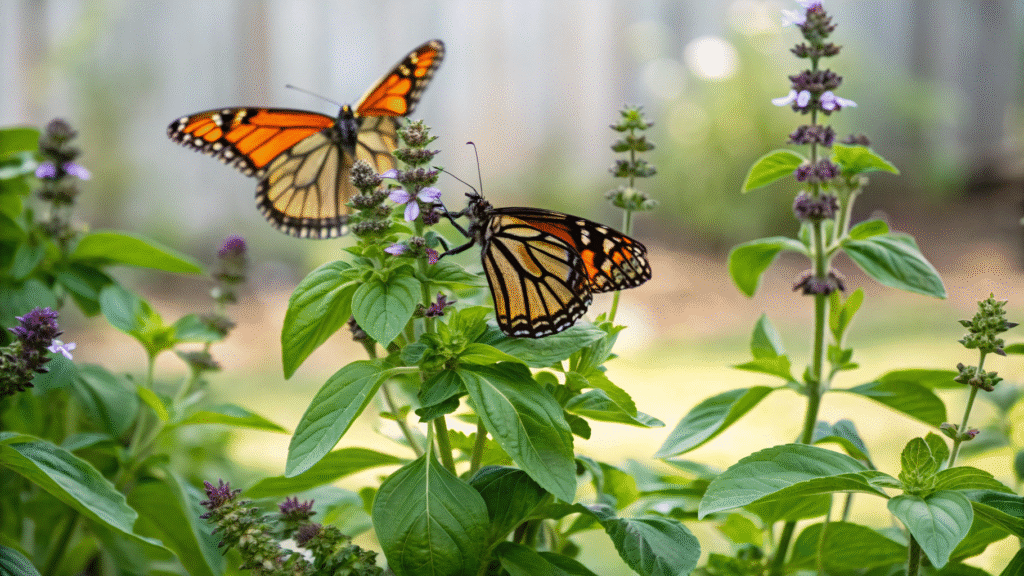
By intentionally letting a few basil plants bolt (go to seed), you create a mini-habitat that supports a healthy and thriving garden ecosystem. The delicate flowers, often in shades of white or purple, are not only attractive to pollinators but can also add a touch of visual interest to your garden beds. Remember that while flowering will eventually reduce leaf production, the trade-off of attracting beneficial insects is often well worth it for the overall health and balance of your garden.
Section 2: Basil in Your Home & For Your Well-being!
Now, let’s bring that wonderful basil indoors and explore its amazing benefits for your kitchen and your health.
6. Culinary Versatility is Unmatched!
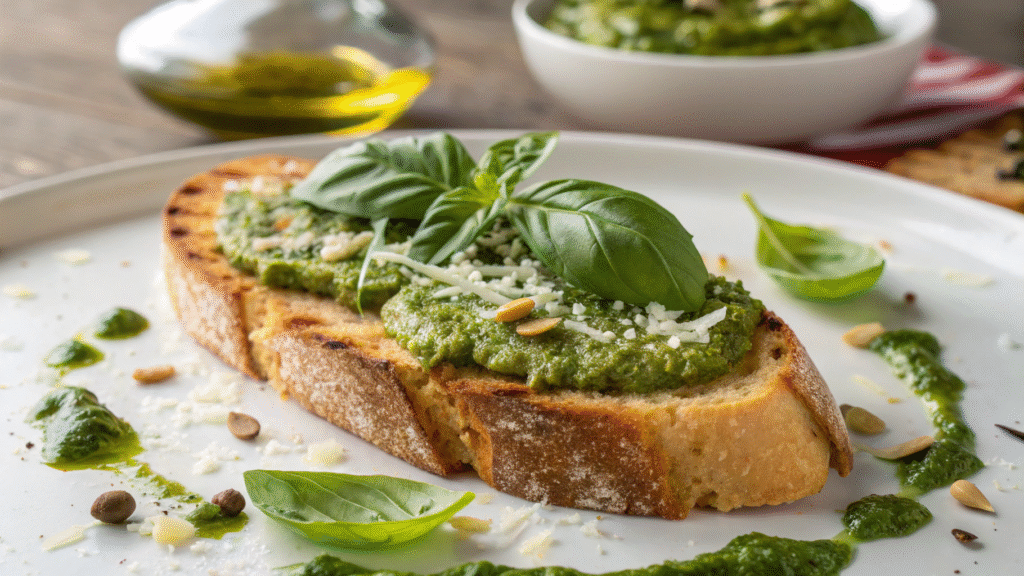
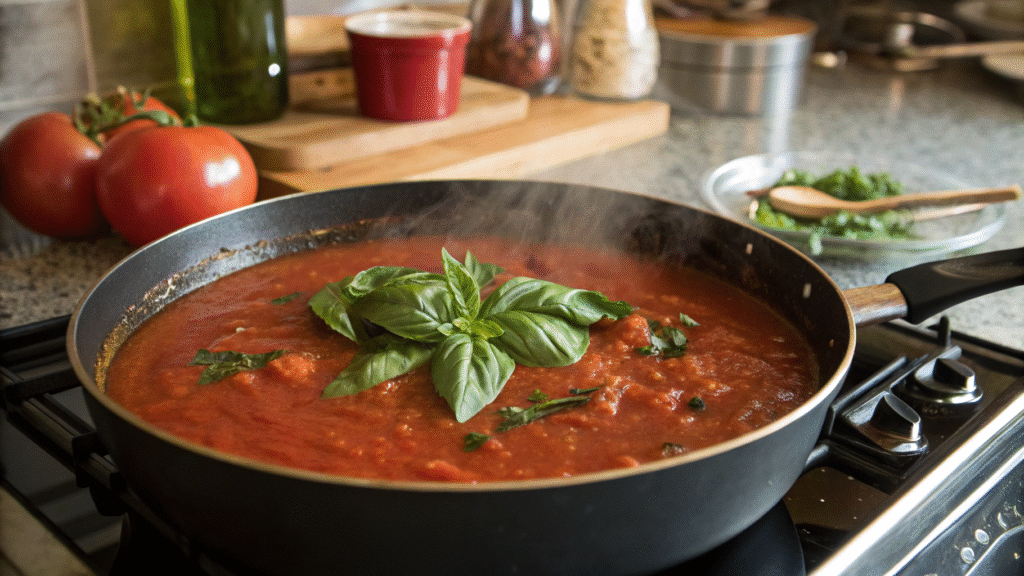
The culinary applications of basil are incredibly diverse, extending far beyond the classic pesto. Its aromatic leaves lend a distinctive flavor to a wide range of cuisines and dishes. In Italian cooking, basil is indispensable in sauces, particularly tomato-based ones, adding a fresh, herbaceous note to everything from simple marinara to complex ragùs.
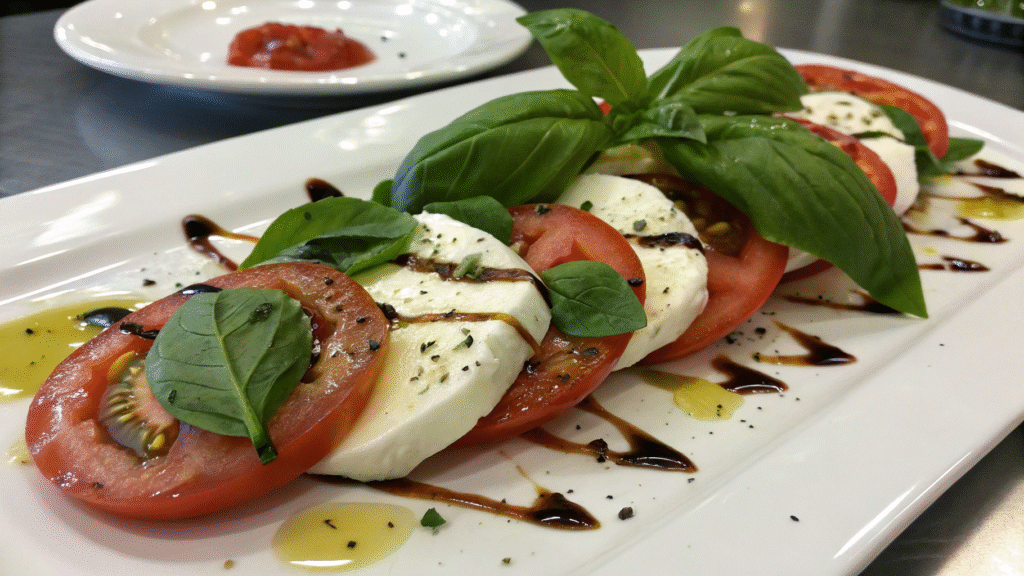
The iconic Caprese salad, with its layers of fresh mozzarella, ripe tomatoes, and vibrant basil leaves, perfectly showcases the herb’s ability to complement other fresh ingredients.

Beyond these staples, basil shines in Asian cuisine, with Thai basil bringing its unique anise-like flavor to stir-fries, curries, and pho. Its leaves can be chopped into salads for a burst of freshness, infused into oils and vinegars for flavorful dressings and marinades, or even used as a fragrant garnish for countless dishes.
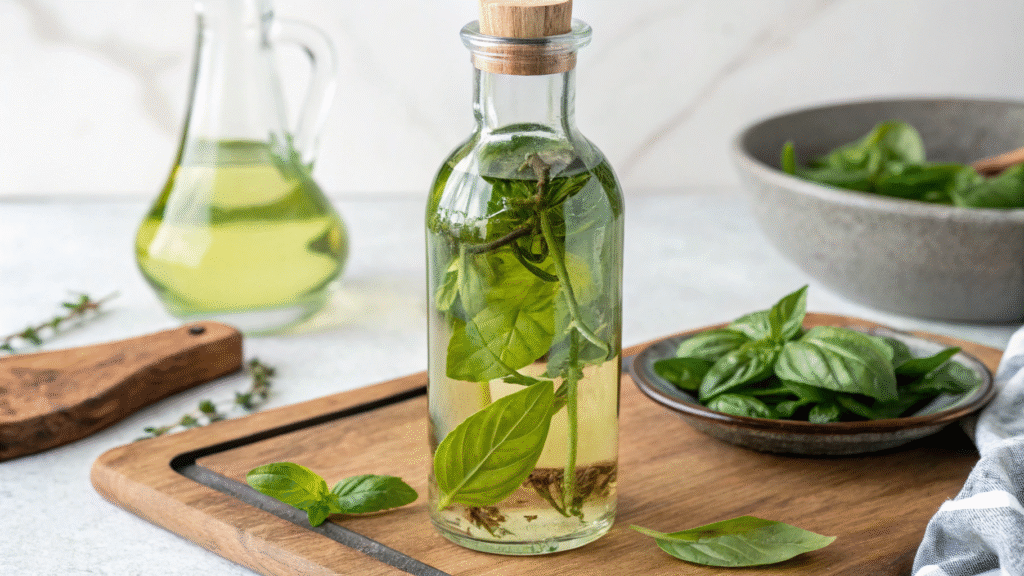
Whether you’re whipping up a quick weeknight meal or preparing a gourmet feast, fresh basil is a versatile ingredient that can elevate the flavor profile of almost any savory creation. Its bright, slightly peppery, and often sweet notes make it a beloved herb in kitchens around the world.
7. Aromatic Air Freshener!
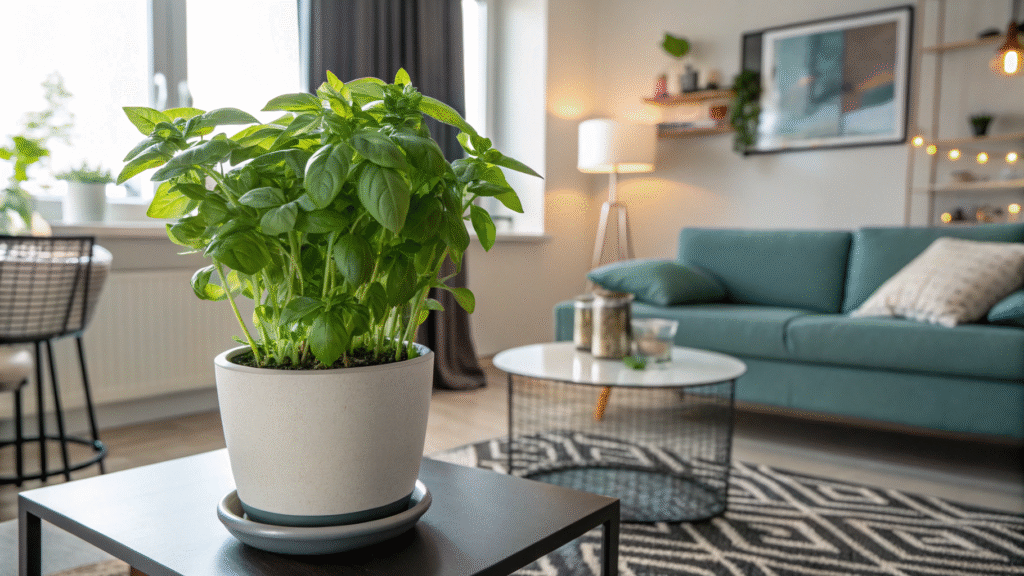
Beyond its culinary uses, simply having a living basil plant indoors acts as a natural and delightful air freshener. The aromatic compounds within the leaves, the same ones that deter garden pests and enhance our food, are continuously released into the air, creating a fresh, clean, and herbaceous scent that can subtly perfume your home. Unlike synthetic air fresheners that often contain artificial fragrances and chemicals, basil offers a natural and environmentally friendly way to improve the ambiance of your living spaces.
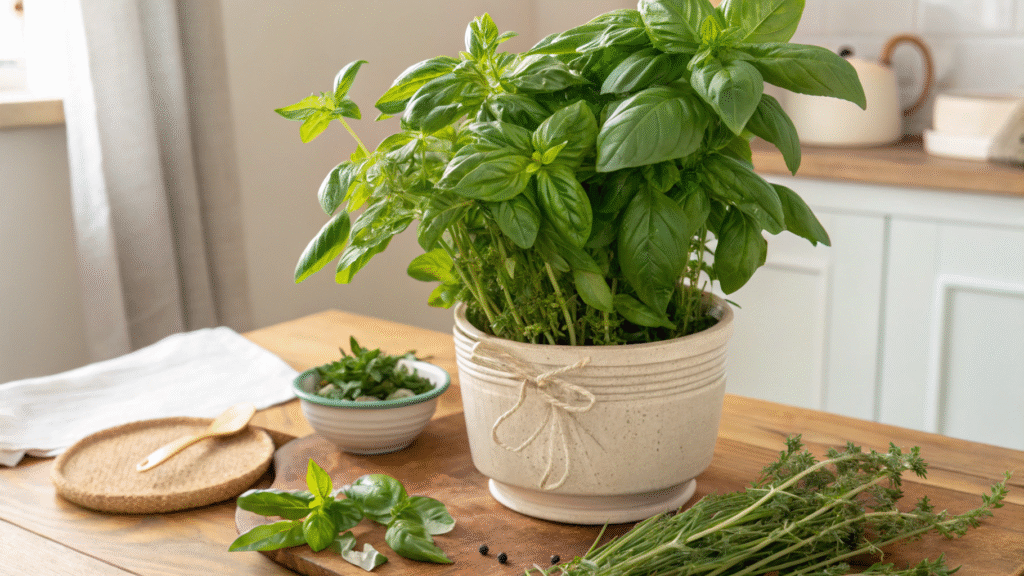
Placing a small potted basil plant on a kitchen counter near a sunny window is a common practice, not only for easy access when cooking but also for the pleasant aroma it diffuses.
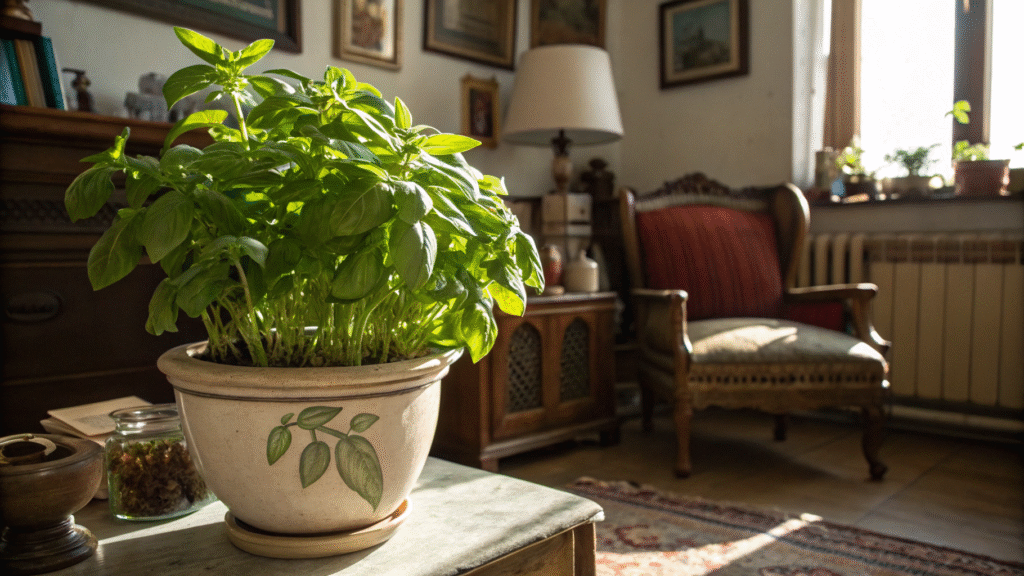
You can also keep basil plants in other rooms, such as a bright living room or even a home office, to enjoy their subtle fragrance. Gently brushing against the leaves releases a more intense burst of their aromatic oils, instantly freshening the surrounding air.
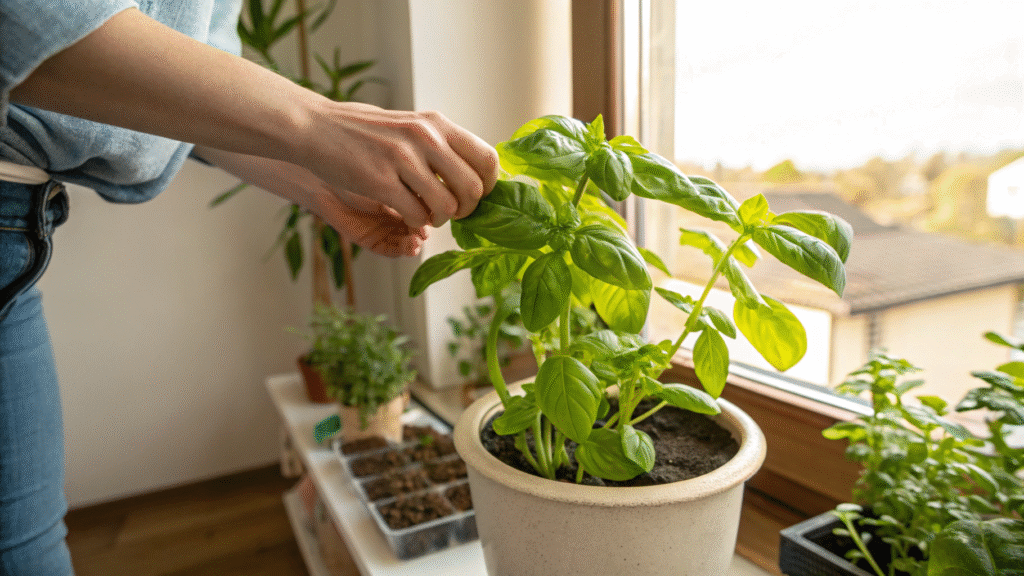
This natural form of air freshening is not only more pleasant but can also have a subtle uplifting effect on your mood, thanks to the inherent properties of the plant’s essential oils.
8. Supports Your Health & Well-being!
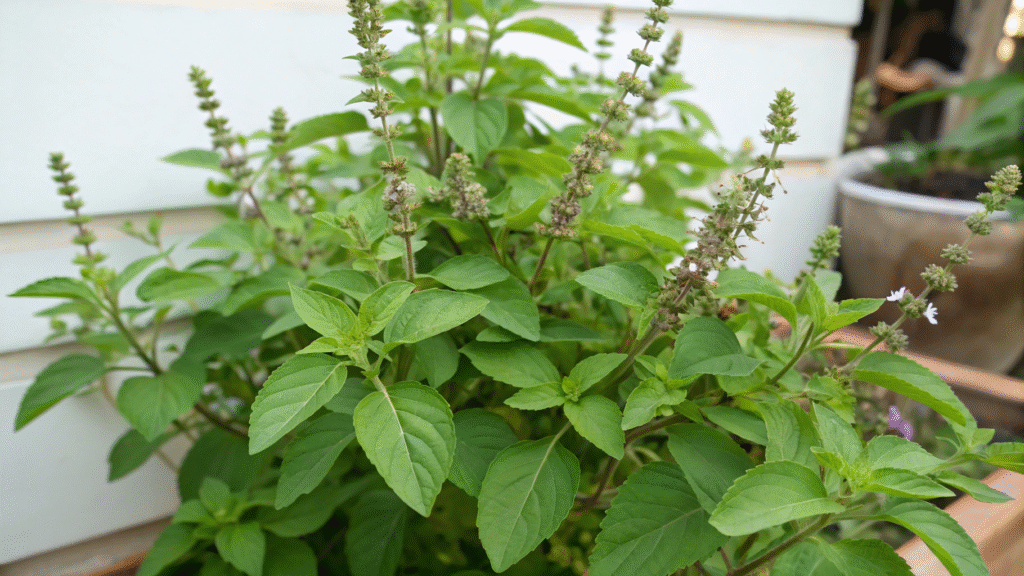
Basil, particularly Holy Basil (Tulsi), is recognized for its numerous health-promoting properties, attributed to its rich content of bioactive compounds. These include antioxidants, which help combat oxidative stress caused by free radicals in the body, and anti-inflammatory compounds that can help reduce inflammation, a root cause of many chronic diseases. Traditionally, basil has been used to soothe the digestive system, alleviating symptoms like bloating and indigestion. Specific compounds in basil are thought to have carminative properties, helping to reduce gas in the digestive tract. Furthermore, basil contributes to a stronger immune system due to its vitamin and mineral content, as well as its antioxidant effects.
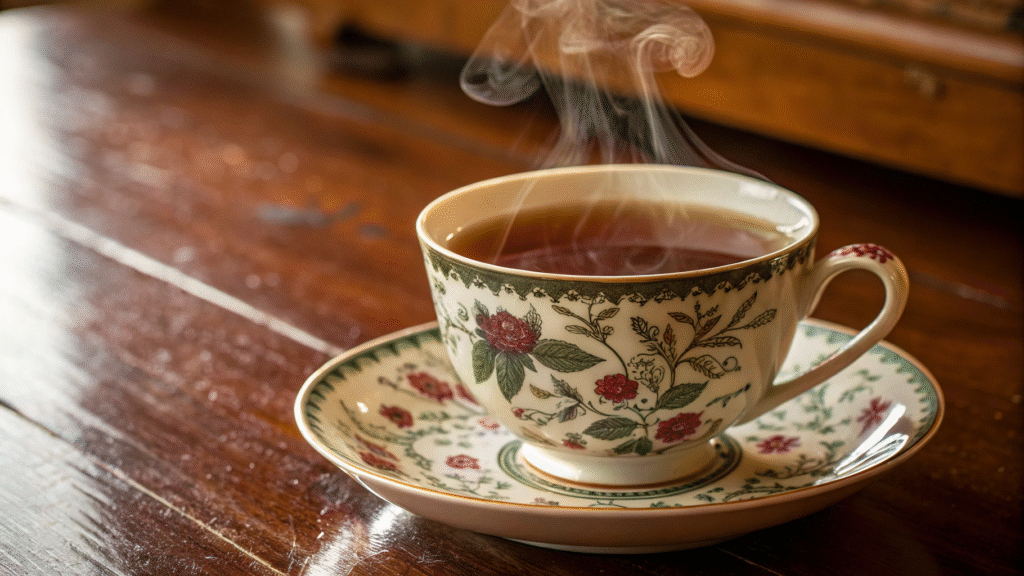
Holy Basil (Tulsi) stands out for its role as an adaptogen, a natural substance that helps the body adapt to stress, both physical and emotional. Regular consumption of Tulsi, often as a tea, has been linked to reduced stress levels, improved mood, and enhanced cognitive function.
Incorporating various types of basil into your diet and lifestyle can be a delicious and natural way to support your overall health and well-being, offering benefits that extend far beyond its flavorful contribution to your meals.
9. Easy Natural Remedies!
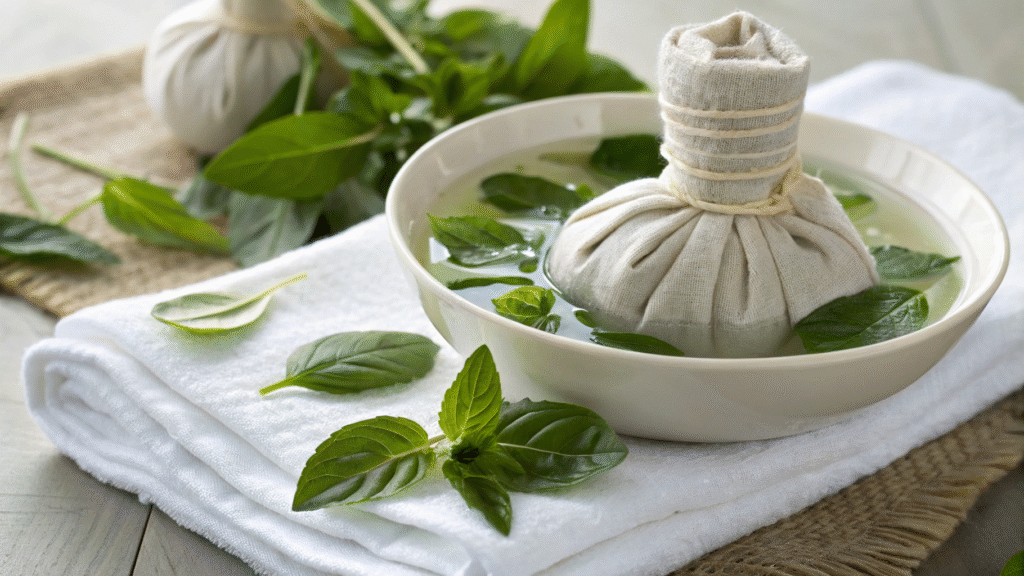
The benefits of basil extend into the realm of simple, at-home remedies for minor ailments. For instance, the anti-inflammatory properties of basil can be harnessed in a soothing basil compress applied to insect bites or minor skin irritations to help reduce swelling and itching.
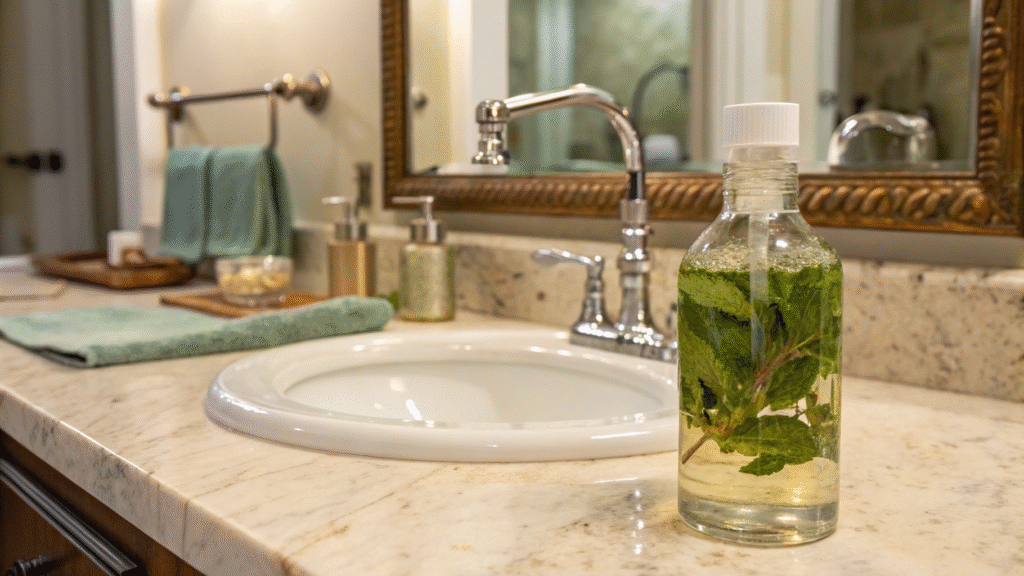
Chewing a few fresh basil leaves is a traditional practice for freshening breath due to its natural antibacterial and aromatic properties. The essential oils present in basil, such as eugenol, have antiseptic and analgesic qualities that can provide mild relief from minor discomforts.
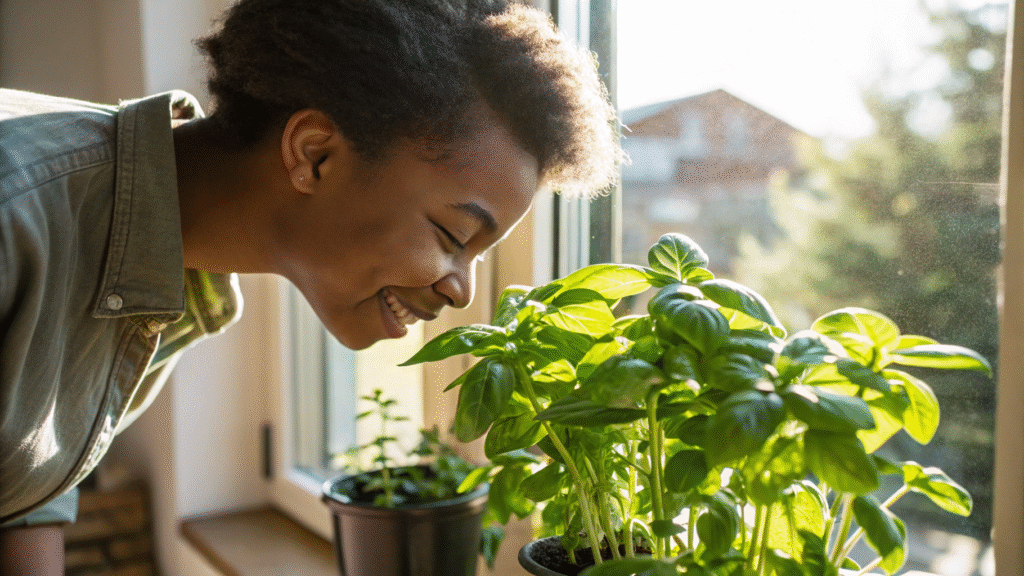
Furthermore, the aromatic nature of basil makes it suitable for aromatherapy. The scent of basil essential oil can be diffused or inhaled to help reduce tension, alleviate mental fatigue, and promote relaxation. While not a substitute for professional medical advice, keeping fresh basil on hand provides a readily available and natural resource for addressing everyday minor issues in a gentle and effective way. These traditional uses highlight the long-standing relationship between humans and this versatile herb, showcasing its value beyond the kitchen and garden.
10. A Herb Steeped in History and Meaning!
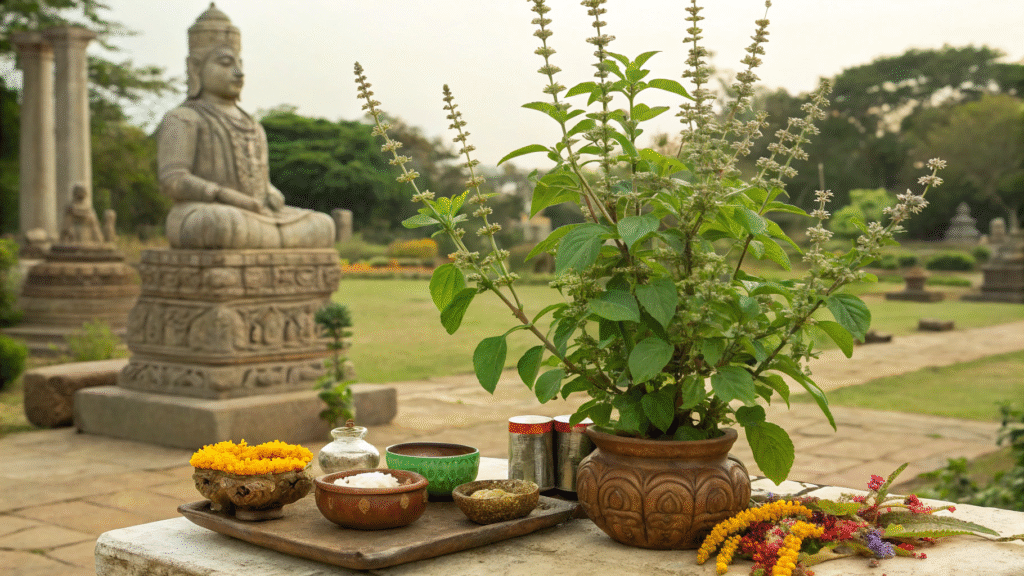
Basil’s significance transcends its culinary and medicinal uses, as it boasts a rich tapestry of historical and cultural associations that span millennia and continents. Originating in ancient India, Holy Basil (Tulsi) holds a deeply sacred status in Hinduism, revered as a manifestation of the goddess Lakshmi and symbolizing purity, love, and protection. It has been used in religious ceremonies and traditional medicine for thousands of years. As basil spread westward, it acquired different meanings across various cultures.
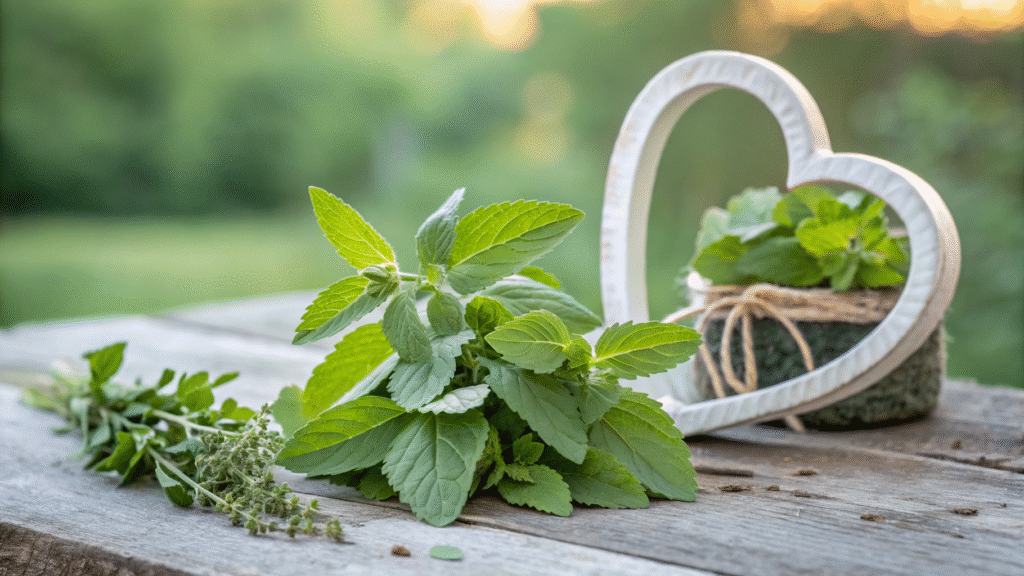
In some European traditions, it was associated with love, and folklore sometimes linked it to romantic sentiments and even magical properties. Archaeological evidence suggests that basil was present in ancient Egypt, even being found in tombs, implying its importance in their rituals or beliefs.
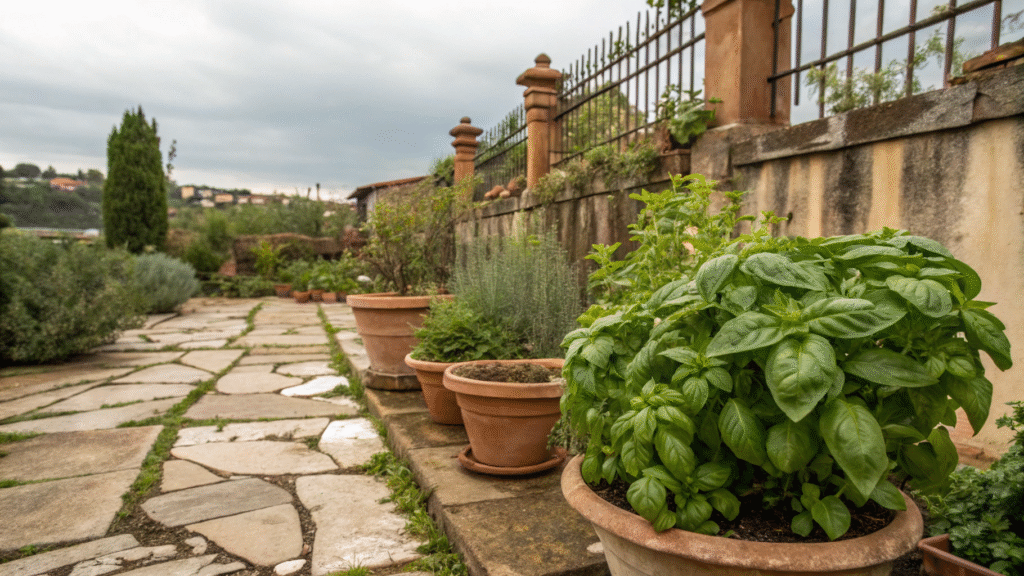
Ancient Roman and Greek writers also documented the use of basil for both culinary and medicinal purposes, further solidifying its long-standing presence in human history. This rich heritage imbues basil with a unique character, making it more than just a plant we grow and eat. Cultivating basil connects us to ancient traditions, diverse cultures, and a long history of human interaction with the natural world, adding another layer of appreciation to this remarkable herb.
So there you have it – ten amazing reasons why basil isn’t just a kitchen staple, but a garden hero and a wellness ally! From exploring diverse varieties and super easy growing to elevating your meals, powerfully supporting your health, and even connecting us to ancient history, basil truly does it all.
Did you learn something new about this wonderful herb? Let us know in the comments below! And for more amazing tips on growing, cooking, and utilizing the power of herbs, make sure to subscribe to The Herbal Keys for more green goodness!
Watch the Video on You Tube Here: