The Hidden Gem of the Garden: 10 Uses for Lady’s Mantle
Alchemilla mollis🌿
Ready to discover the best-kept secret of the garden? While its name might evoke images of medieval folklore, Lady’s Mantle is a modern gardener’s ally.
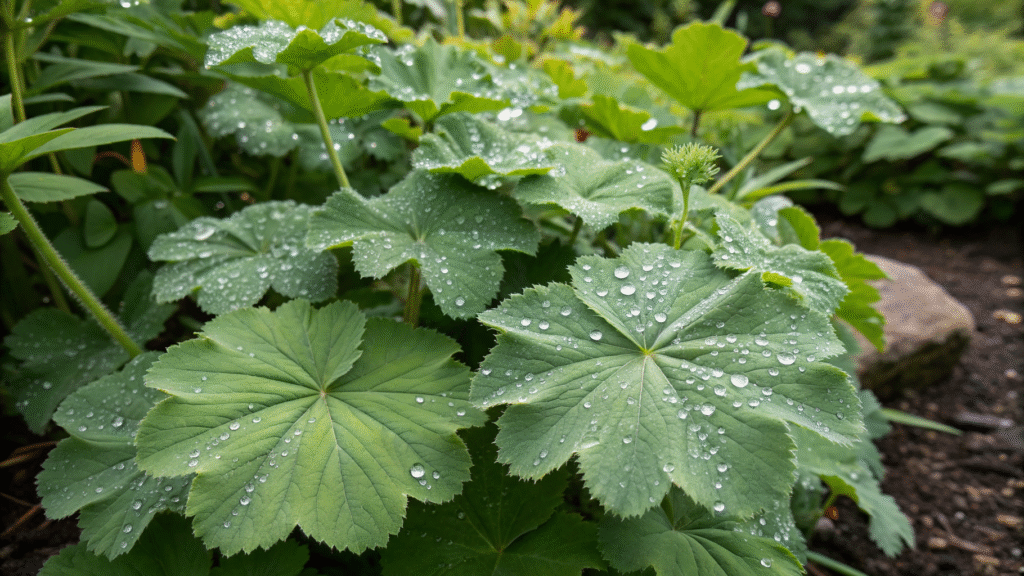
This charming perennial is so much more than just a pretty face—it’s a versatile herb with a rich history and a host of benefits for your garden and home. If you’re a seasoned gardener looking for a beautiful, low-maintenance plant with surprising uses, you’ve come to the right place. Join us as we uncover 10 incredible reasons to add this “hidden gem” to your landscape.
1. Beauty and Varieties
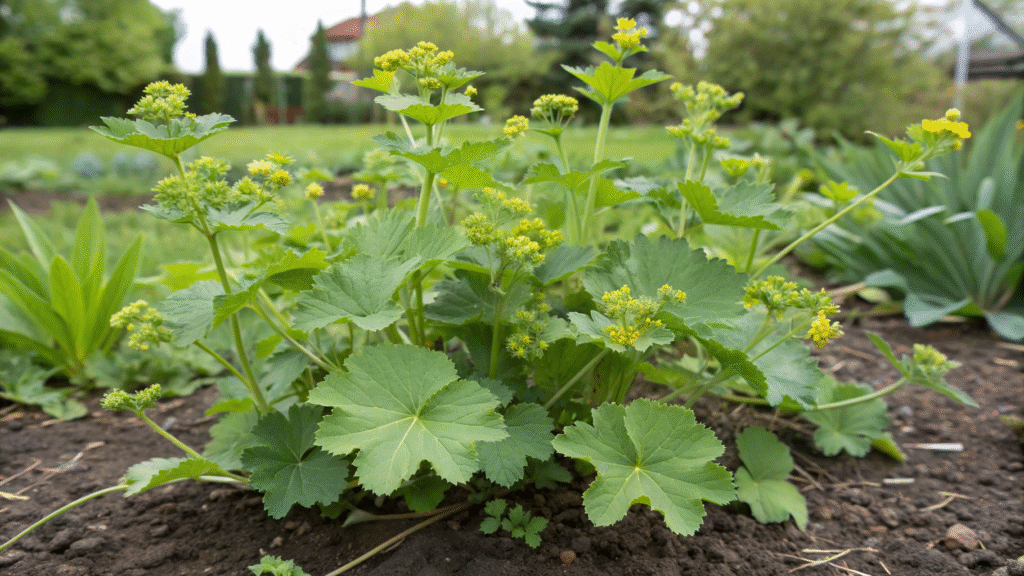
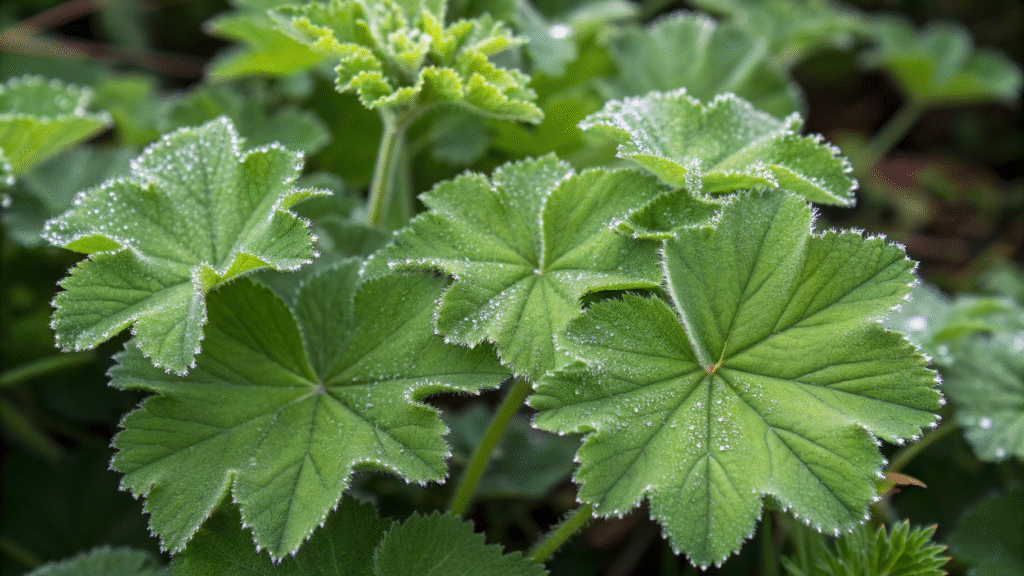
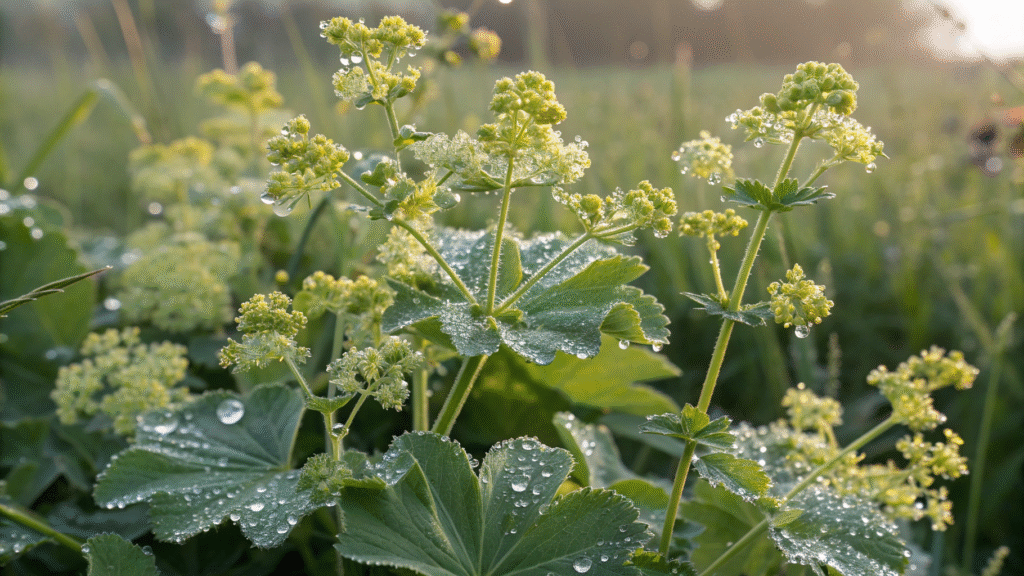
Lady’s Mantle’s most captivating feature is its unique foliage. The fan-shaped, velvety leaves are designed to catch and hold dewdrops like glistening jewels, a truly magical sight on a misty morning. While Alchemilla vulgaris is the classic species, the most popular choice for gardens is Alchemilla mollis, which boasts soft, lobed leaves and frothy, chartreuse flower clusters that create an airy, cloud-like effect in the landscape.
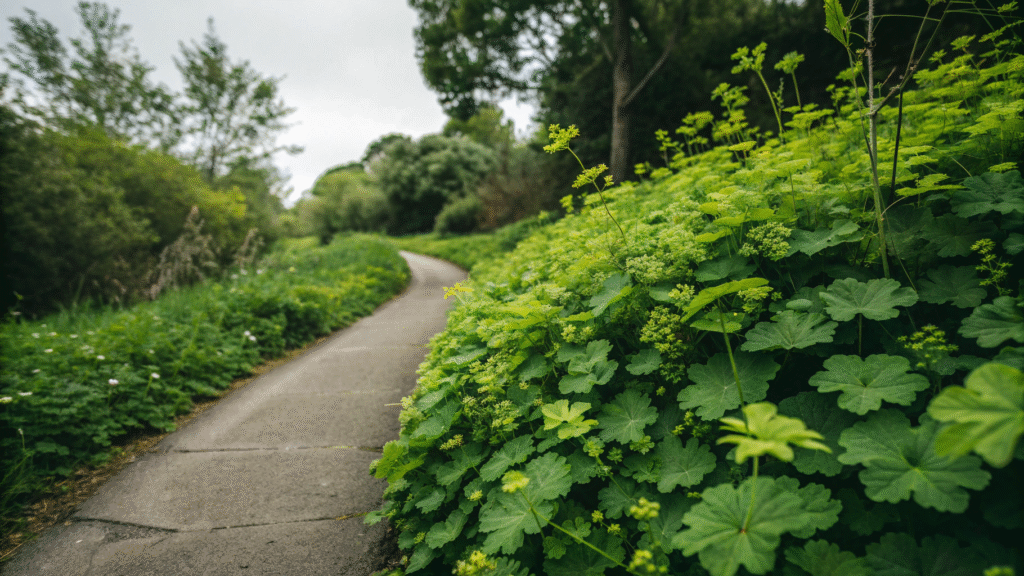
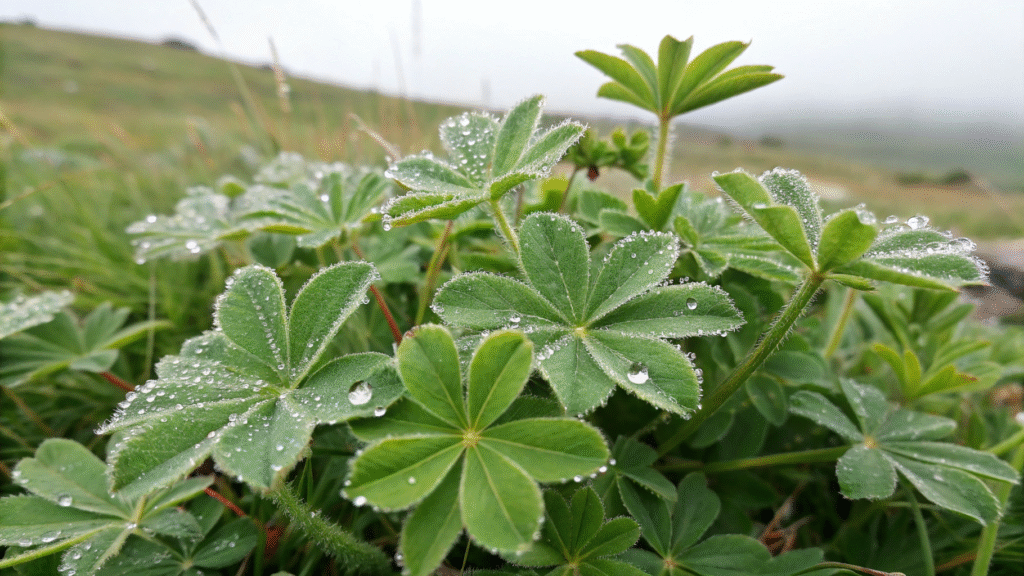
For smaller spaces or rock gardens, consider Alchemilla alpina, a more compact variety with a striking silvery-white underside to its leaves, adding beautiful textural and color contrast. No matter the variety, Lady’s Mantle adds a gentle, graceful feel to any garden bed.
2. Growing and Propagating
Growing Lady’s Mantle is a joy because it’s remarkably low-maintenance and adaptable. It’s a hardy perennial, thriving in USDA hardiness zones 3 through 8, which means it can handle a wide range of climates and reliably returns each year. It prefers well-drained soil and will flourish in partial shade to full sun, though it appreciates some afternoon shade in hotter regions to prevent leaf scorch.
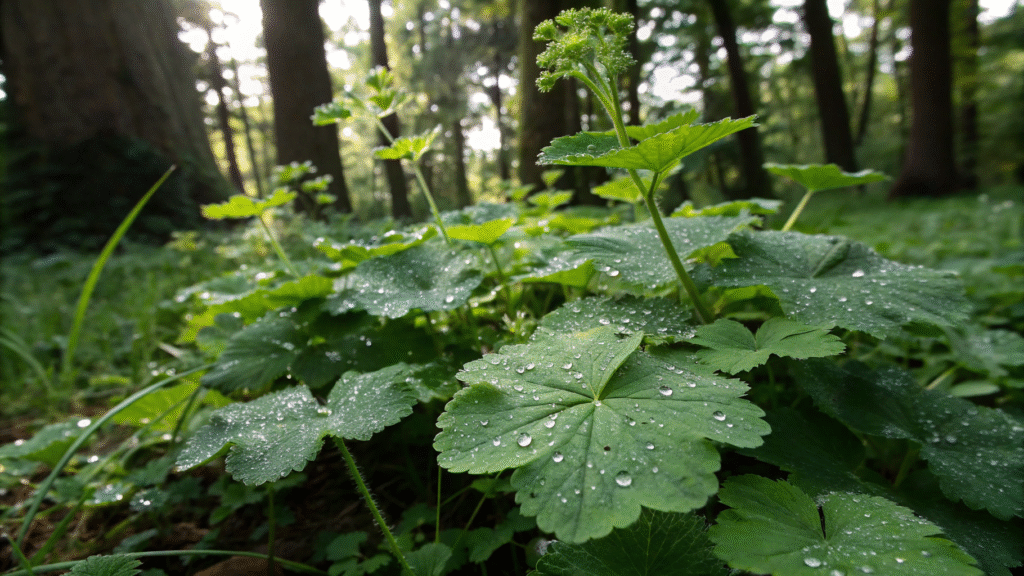
Once established, it’s quite drought-tolerant. The easiest way to get more plants is by division in early spring or fall. Simply divide the dense clumps to create new plants. It also self-seeds, so you may find new plantlets popping up around your garden, ready to be transplanted.
3. Pest Resistance
One of the most frustrating aspects of gardening is dealing with unwelcome pests, but Lady’s Mantle offers a fantastic solution. Its leaves have a slightly hairy, coarse texture and an astringent taste that common garden nuisances simply don’t find palatable.
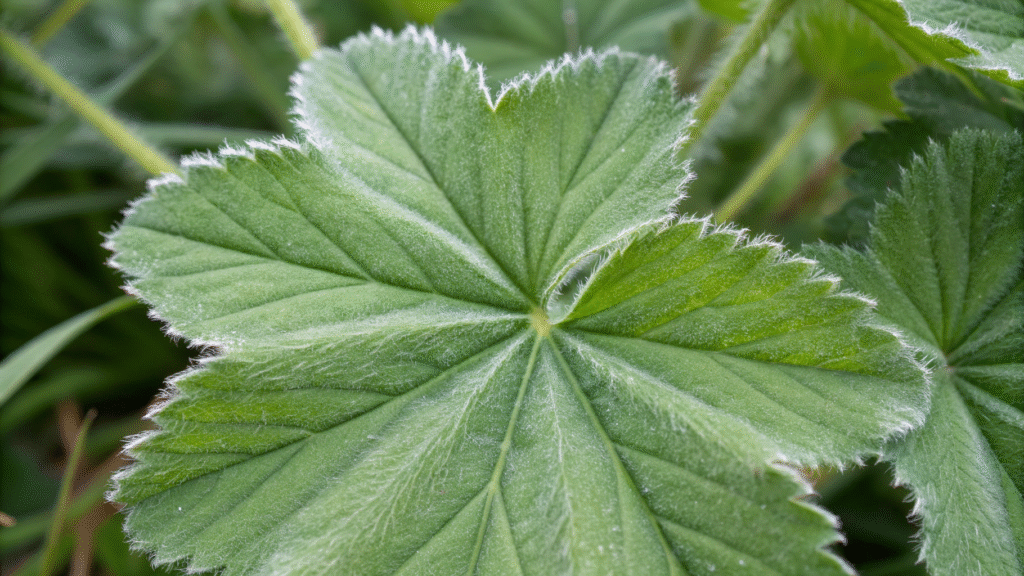
This natural defense means you can confidently plant it without worrying about deer or rabbits turning it into their next meal. Furthermore, Lady’s Mantle’s leaves are unappealing to some of the most destructive garden pests: slugs and snails. This makes it a reliable choice for creating beautiful, low-maintenance borders that remain lush and green all season long.

4. Attracting Beneficial Insects
While its flowers may not be as showy as some other blooms, Lady’s Mantle plays a crucial role in supporting a healthy garden ecosystem. The frothy, chartreuse flower clusters, which appear from late spring to mid-summer, are a magnet for beneficial insects. They provide a vital source of nectar and pollen for pollinators like small bees and hoverflies, which are essential for pollinating your fruits, vegetables, and other flowers.
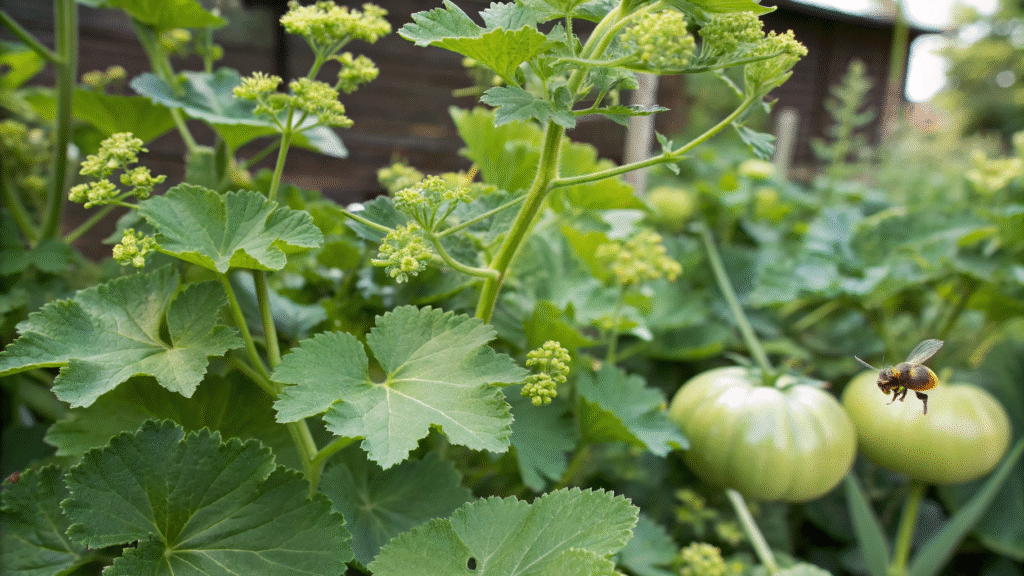
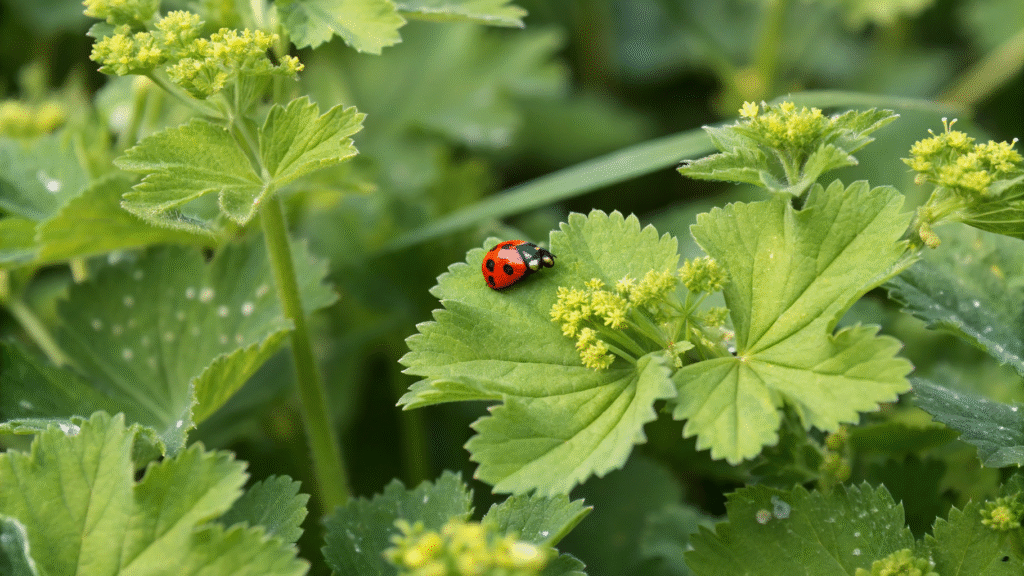
The dense foliage also provides excellent shelter and a protected microclimate for predatory insects like ladybugs and lacewings, which prey on aphids and other destructive pests. By inviting these “good bugs” into your garden, you’re promoting a balanced ecosystem and reducing your need for chemical pesticides.
5. Harvesting and Storing
To fully enjoy the benefits of Lady’s Mantle, it’s important to know how to properly harvest and store it. The best time to harvest the leaves is in the morning after the dew has dried but before the sun gets too hot. It is during this time, especially when the plant is in flower, that its beneficial compounds are at their peak.
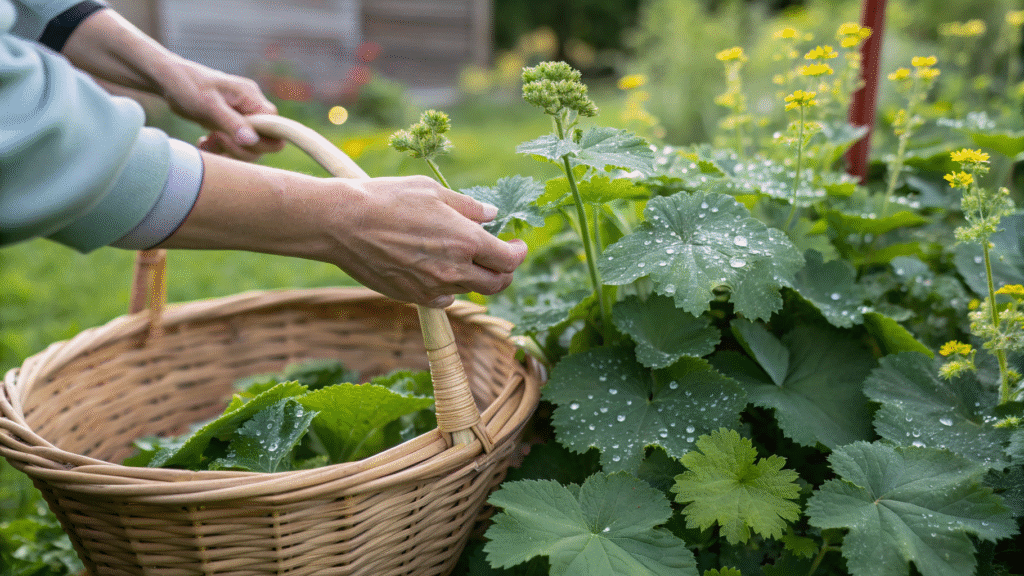
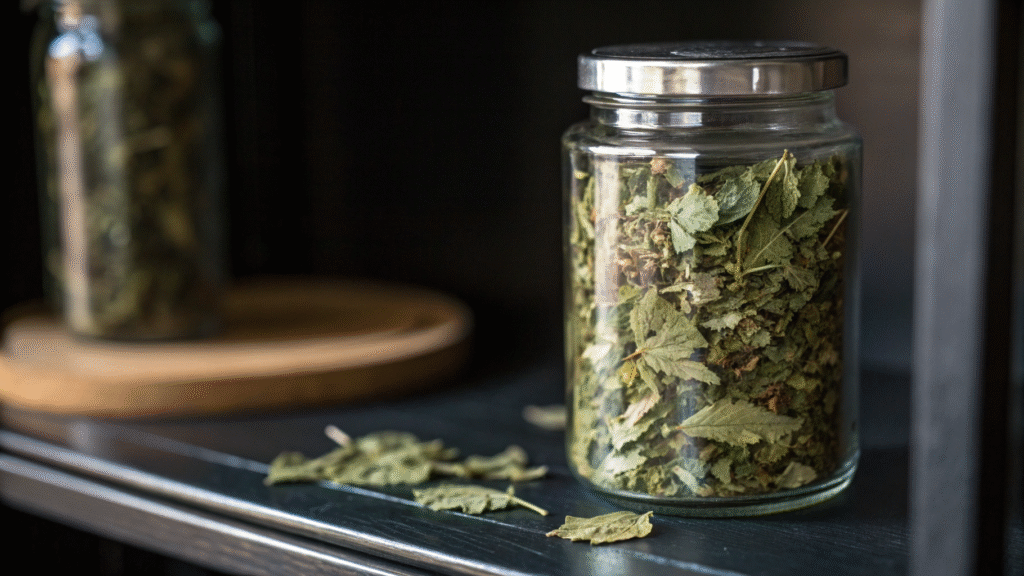
Gently snip the leaves, ensuring you leave plenty on the plant so it can continue to thrive. To store them, lay the leaves out in a single layer on a drying rack in a cool, dark, and well-ventilated area until they are completely dry and brittle. Store the dried leaves in an airtight container, away from direct sunlight and moisture, and they will maintain their potency for up to a year.
6. Culinary Uses
While not a common kitchen herb today, Lady’s Mantle has some intriguing culinary history. The young, tender leaves, harvested in early spring, have a slightly astringent, mild, and bitter taste. At this stage, they can be a unique addition to fresh salads, adding a pleasant texture and a subtle, herbal note. Their unique, pleated shape also makes them a beautiful and decorative garnish for various dishes.

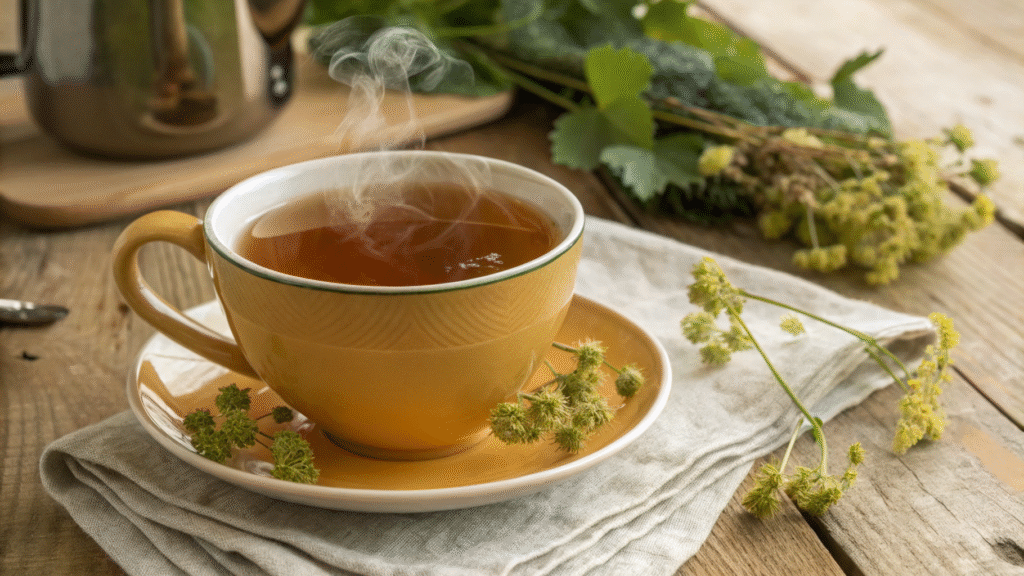
Historically, the leaves were used in herbal teas, often blended with other herbs for a more balanced flavor profile. Some traditional recipes even call for the young leaves to be lightly steamed or added to soups, offering a way to connect with old food practices and utilize a beautiful plant from your own garden.
7. Traditional Women’s Health
Lady’s Mantle has a long and storied history of traditional use, particularly concerning women’s health, which is likely where its name comes from. The common name is thought to be inspired by the leaf’s cloak-like shape, which was likened to the mantle of the Virgin Mary. Traditionally, herbal preparations such as teas and tinctures have been used to help with various women’s ailments and to support the female reproductive system.

The plant’s high tannin content gives it potent astringent properties, which were believed to be beneficial for toning tissues. For centuries, it has been used to help with menstrual discomfort, regulate cycles, and ease menopausal symptoms, making it a time-honored botanical ally.

8. Other Potential Health Benefits
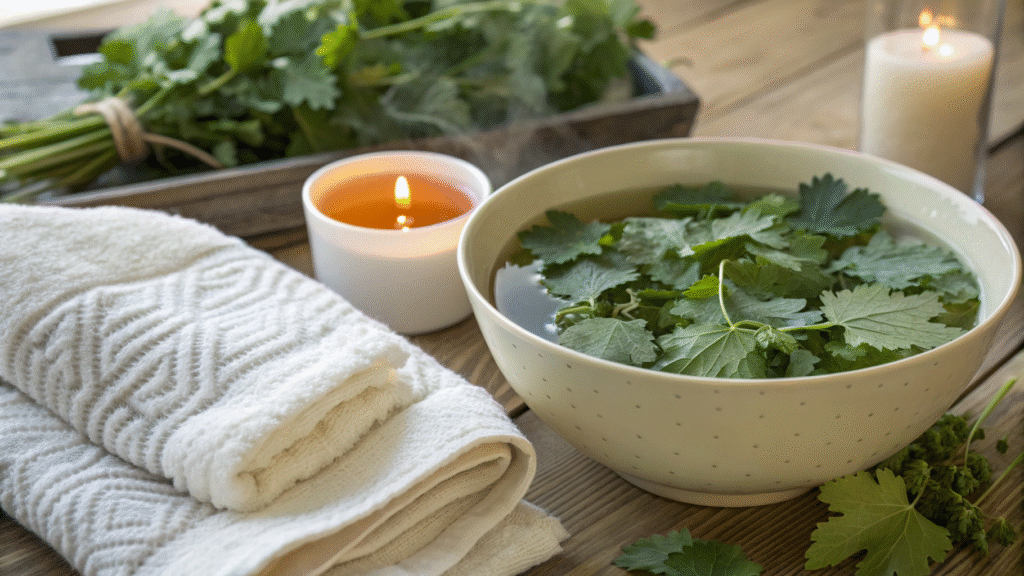
Beyond women’s health, Lady’s Mantle has been used in folk medicine for a range of other potential benefits. Its powerful astringent properties make it useful for topical applications. Historically, preparations have been used to help soothe minor skin irritations, cuts, and bruises. A cooled herbal tea or infusion can be applied to the skin as a gentle wash, acting as a natural astringent to help cleanse and tone.
Internally, Lady’s Mantle was also used to support digestive health. Its astringency was thought to help with mild digestive upset, such as diarrhea, by toning the intestinal lining. Always remember to consult with a healthcare professional before using any herb for medicinal purposes.

9. Natural Dyes and Other Practical Uses
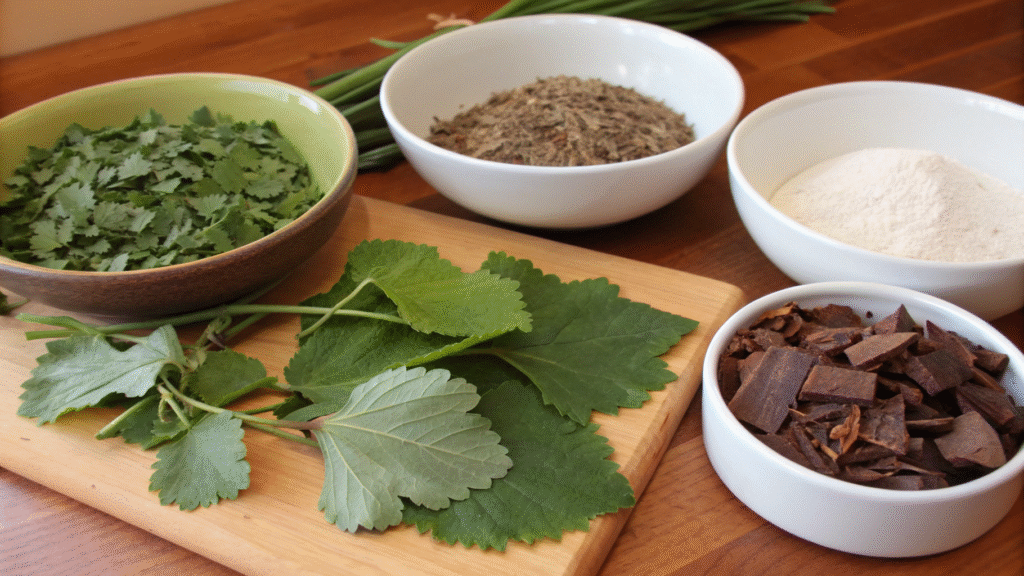
Lady’s Mantle is more than just a garden ornament or a traditional remedy; it offers interesting practical uses that connect us to older crafts. Historically, the leaves and flowers of Lady’s Mantle have been used to create natural dyes. By boiling the plant material, you can extract beautiful, soft, muted shades of yellow or green. The final color depends on the plant part used and the mordant, or fixative, that helps the dye bind to the fabric.
Additionally, the high tannin content of the plant was historically utilized in the process of leather tanning, an age-old craft for preserving animal hides. These uses highlight the incredible versatility and value of this plant throughout history.
10. History, Lore, and Folklore
Finally, let’s delve into the rich history and captivating folklore surrounding Lady’s Mantle. Its scientific name, Alchemilla, is a direct nod to its mysterious past. Medieval alchemists were fascinated by the pristine droplets of water that gathered on the leaves, believing this “heavenly water” was the purest form of water. They sought it for their experiments in their quest to create the legendary “Philosopher’s Stone.”
The common name, “Lady’s Mantle,” connects the plant to the Virgin Mary, with the leaf’s shape likened to her cloak. In folklore, it was considered a plant of protection and healing, often grown in gardens to bring peace and blessings to the home.

A Timeless Ally in Your Garden
Lady’s Mantle is so much more than a pretty plant. It’s a testament to the enduring power of nature, a timeless ally that offers beauty, resilience, and a rich connection to history and tradition. From its simple elegance and ease of care to its surprising practical uses, it truly is a must-have for any seasoned gardener.
By adding this “hidden gem” to your landscape, you’re not just planting a perennial—you’re cultivating a legacy of natural wonder and quiet strength. We hope you’re inspired to discover the many gifts of Lady’s Mantle in your own garden.
Check out the video on YouTube: