The Coneflower Craze: 10 Must-Know Reasons to Plant Echinacea Today!
Echinacea🌿
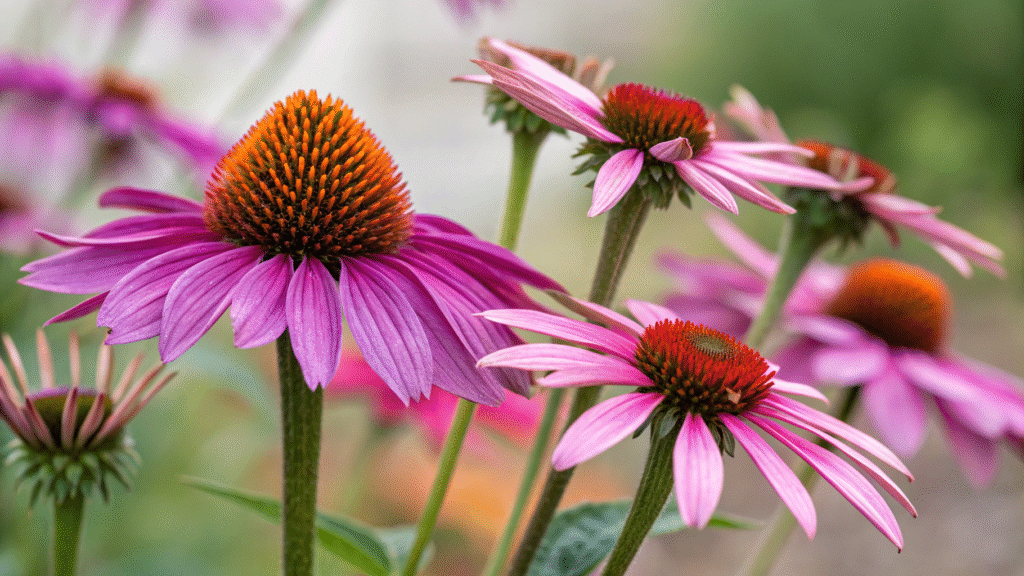
Echinacea, often known simply as the coneflower, is more than just a beautiful purple bloom dotting prairie landscapes—it’s a powerful multi-purpose herb that deserves a prime spot in your garden and your medicine cabinet. Native to North America, this resilient perennial offers a fantastic blend of ornamental beauty, ecological value, and proven health support.
Whether you’re a seasoned herbalist or a curious gardener, the “Coneflower Craze” is real, and for good reason! Ready to transform your space into a vibrant, healthy oasis? Here are the top 10 compelling reasons you need to plant Echinacea today!
1. Grow Your Own Wellness: General Info & Growing Basics
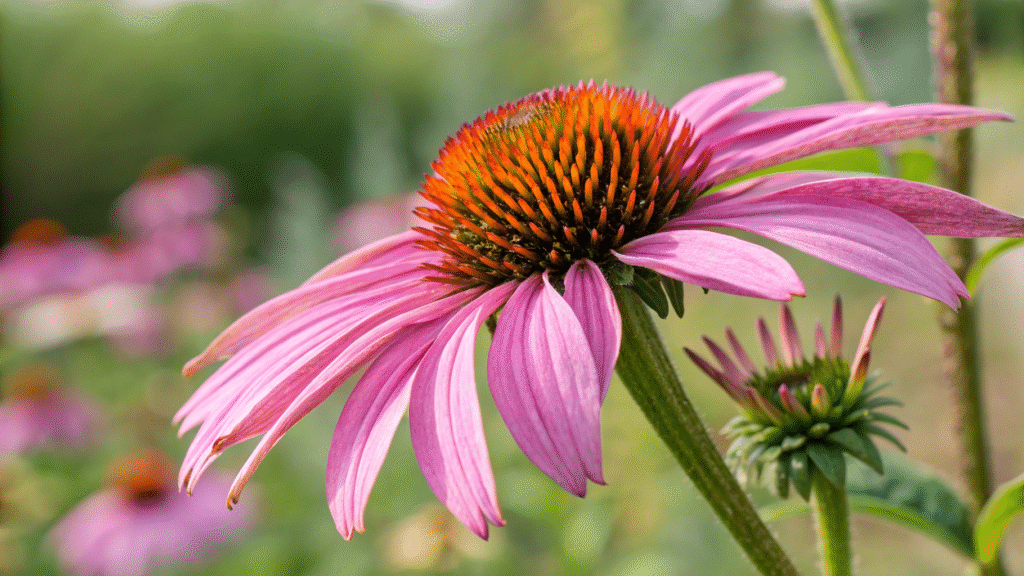
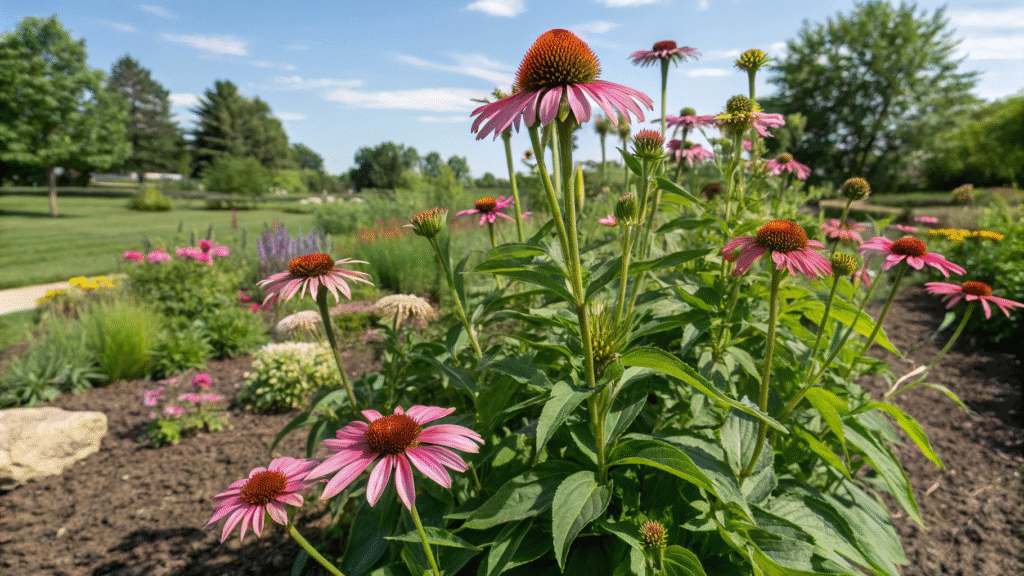
Starting your wellness journey begins with the simplest act: planting a seed. Echinacea is incredibly easy to grow, making it accessible to gardeners of all skill levels. This perennial will return year after year, providing sustainable beauty and medicine. Its name, derived from the Greek word echinos (meaning “spiny” or “hedgehog”), perfectly describes the flower’s distinct, prickly central cone.
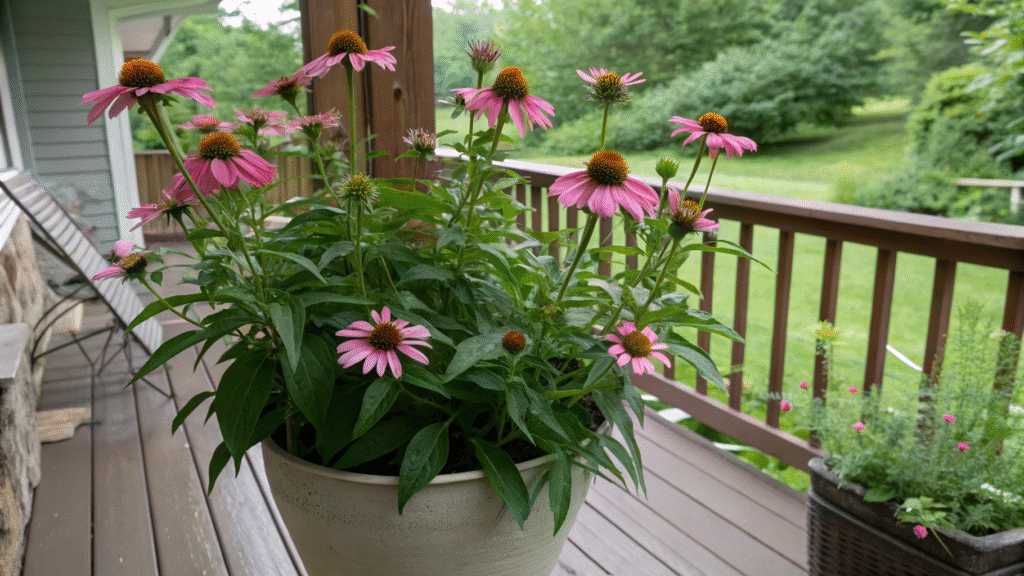
It thrives best in full sun and well-drained soil, showing remarkable drought tolerance once established. The main species, like Echinacea purpurea, are cold-hardy, flourishing across most of the continental U.S. in USDA Zones 3 through 9, so virtually everyone can enjoy its benefits right outside their door.
2. The Iconic Purple Coneflower (Echinacea purpurea)
When most people think of this incredible plant, they picture the beautiful Purple Coneflower, or Echinacea purpurea. This species is the classic, most widely cultivated, and most scientifically studied variety, making it the bedrock of the Echinacea family. Known for its strong stems, striking purple-pink petals that often droop slightly, and its recognizable spiky dome, it anchors any sunny border.
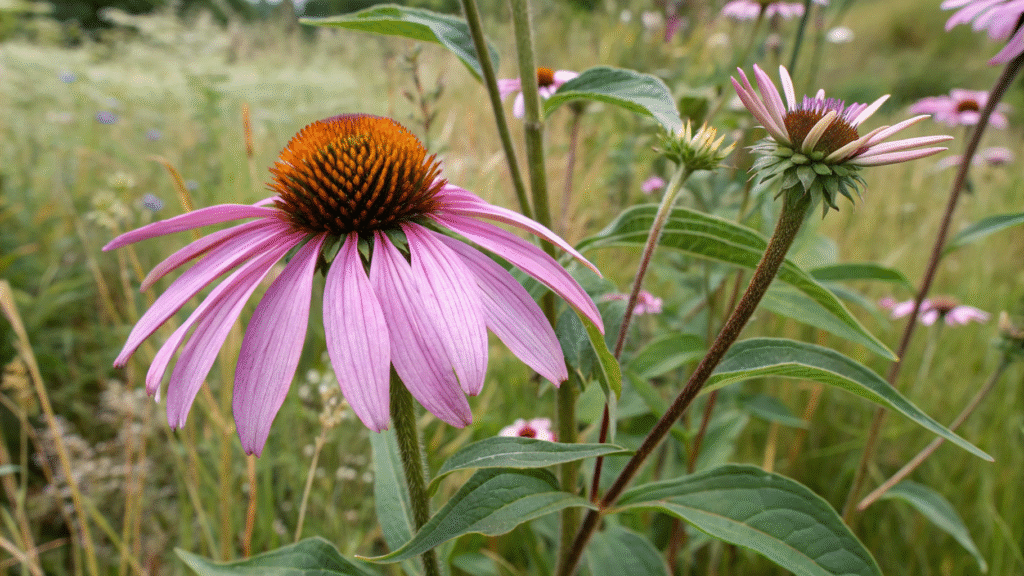
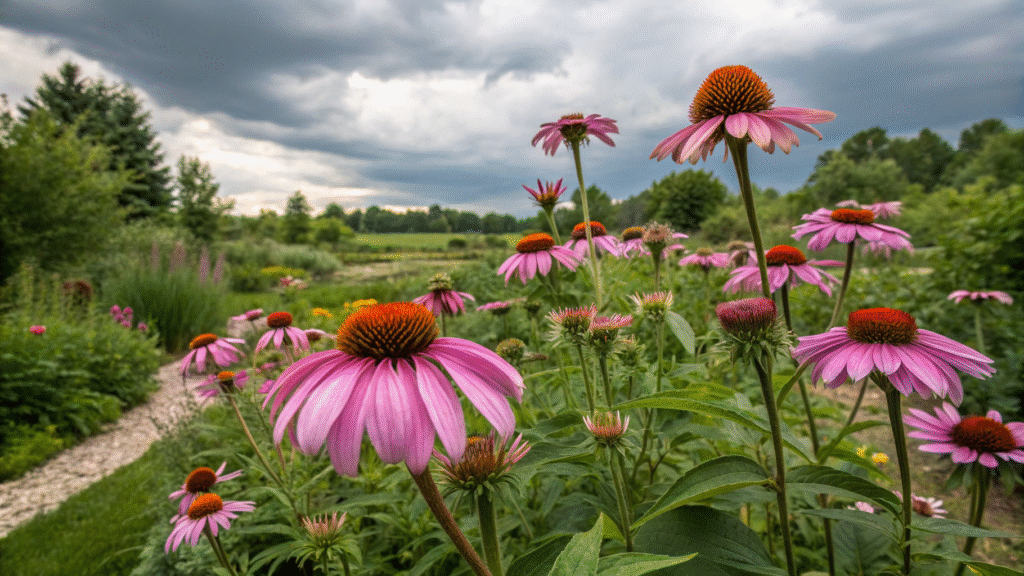
Choosing Echinacea purpurea ensures you get a robust, dependable perennial that provides continuous blooms from mid-summer well into the fall. If you only plant one variety, the tried-and-true Purple Coneflower is the perfect starting point for any herbal or pollinator garden project.
3. A Rainbow of Choices: Exploring Echinacea Varieties
While the traditional purple coneflower is iconic, the Echinacea genus is surprisingly diverse, offering a palette of colors to suit any garden design. Modern hybridization has created stunning cultivars, moving far beyond the classic shade. You can find beautiful varieties in fiery orange (‘Hot Lava’), pure white (‘White Swan’), soft pinks, yellows (Echinacea paradoxa), and even greens.
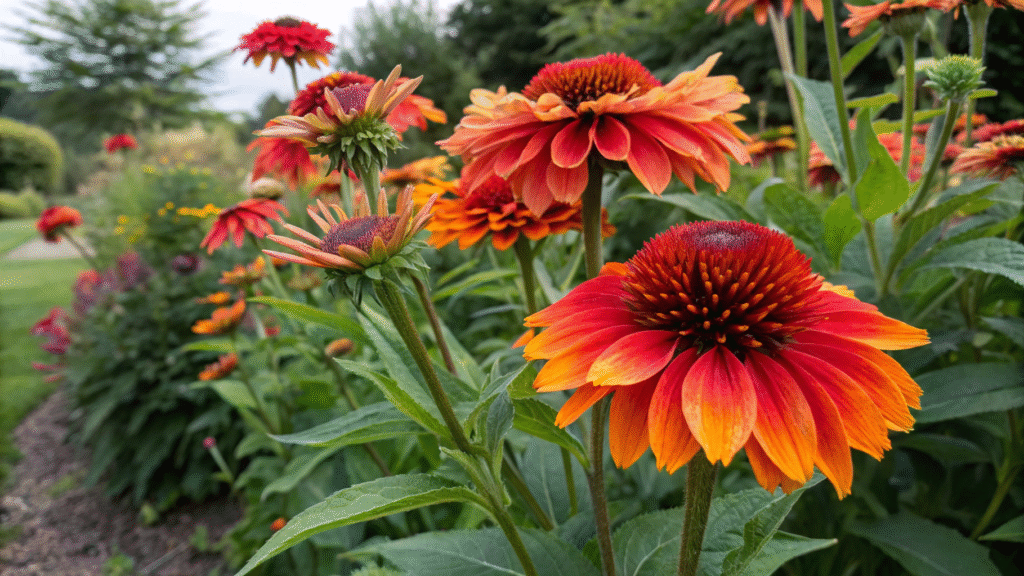
Beyond color, the shapes vary too—some feature large, single drooping petals, while others boast fluffy, double-decker cones. Experimenting with different species like Echinacea angustifolia or Echinacea pallida not only adds visual interest but also provides subtle variations in beneficial compound concentrations, enhancing your garden’s biodiversity and medicinal value.
4. Garden Guardian: Benefits for Your Outdoor Space
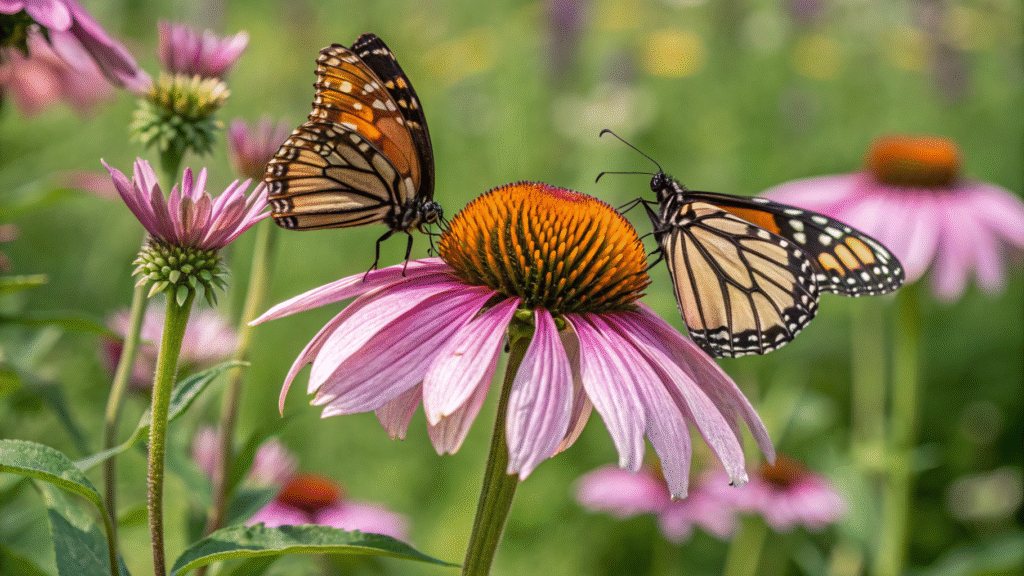
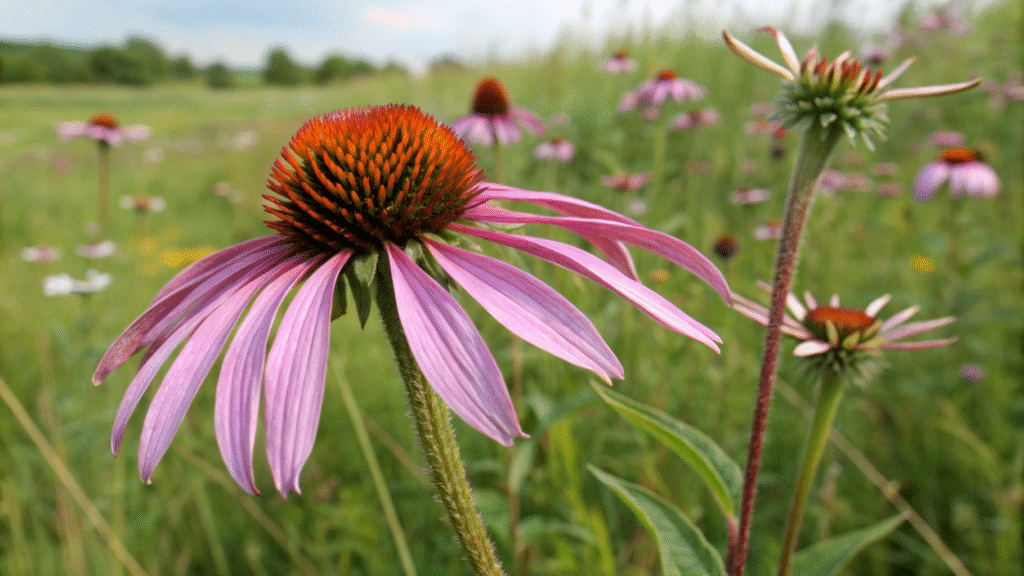
Planting Echinacea is a commitment to a healthier, more balanced garden ecosystem. Its vibrant blooms are true pollinator magnets, drawing in beneficial insects like hoverflies, native bees, and butterflies, which are essential for crop production and general garden vitality. Echinacea contributes to natural pest control by attracting the predators of common garden nuisances like aphids and spider mites, reducing your reliance on chemical interventions.
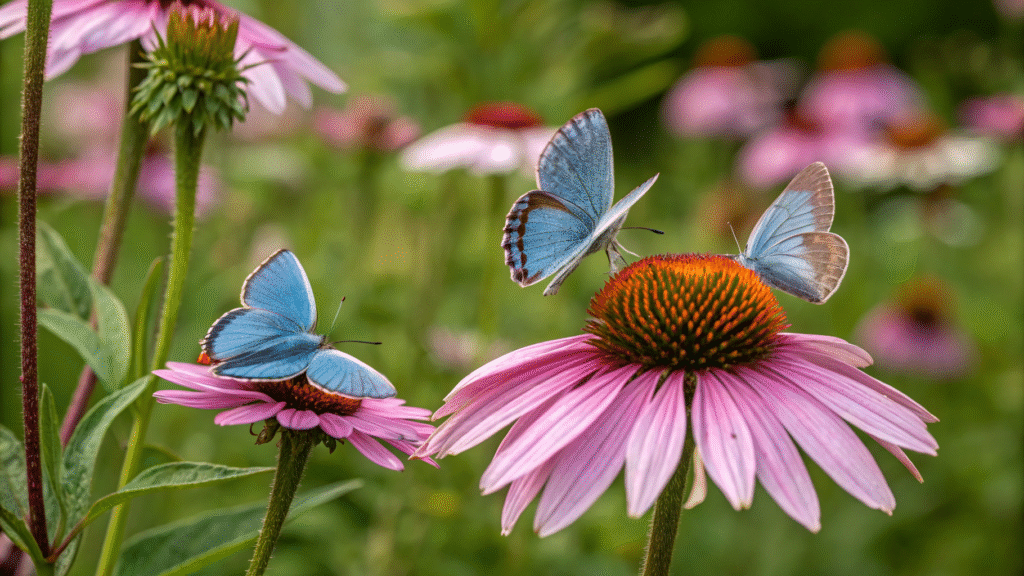
Furthermore, this resilient perennial features a deep, robust root system. These roots help break up compacted soil, improve crucial soil aeration, and increase water infiltration, all of which contribute significantly to the long-term health and fertility of your garden beds.
5. Feathered Friends: A Bird Haven
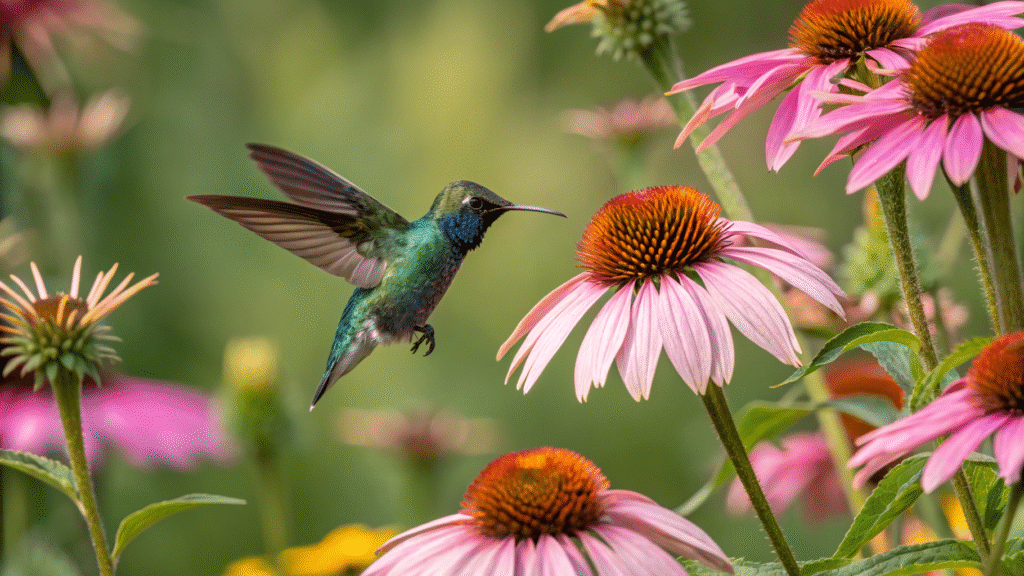
Echinacea provides continuous, season-spanning nourishment for local birdlife, establishing your garden as a year-round feathered sanctuary. In the summer, the abundant, nectar-rich flowers are an irresistible attraction for aerial visitors. Tiny, energetic hummingbirds rely heavily on these sweet nectar sources, frequently visiting the bright blooms for refueling.
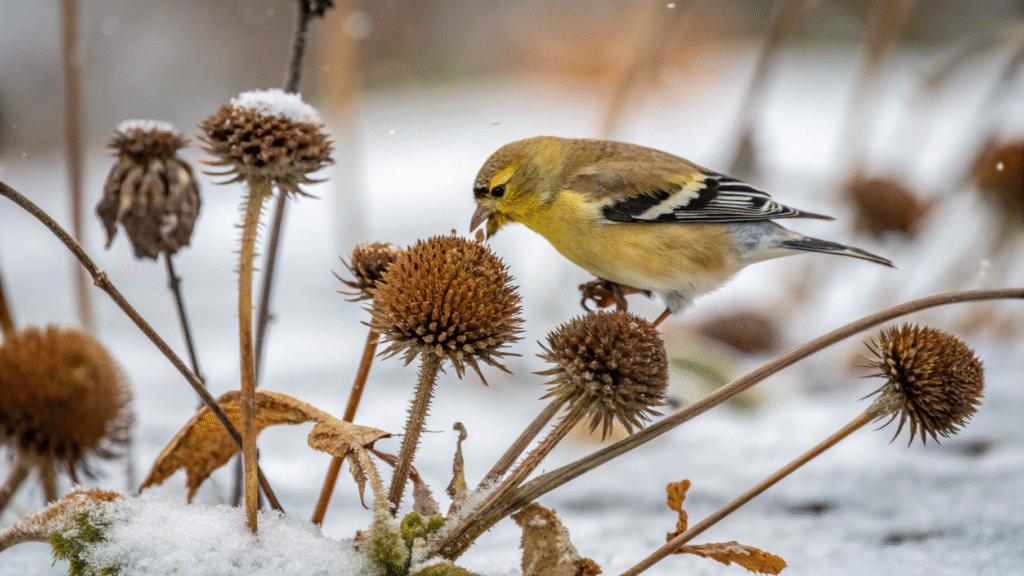
As the blooms fade in the fall, do not cut them back! The prominent, ripe cones become a crucial source of winter food. Goldfinches are particularly known for their delight in perching directly on the rigid stalks, meticulously extracting the tiny, nutritious seeds, making Echinacea an indispensable component of any bird-friendly and wildlife-supporting landscape design.
6. Pet & Pest Friendly: Deer Resistance & Pet Safety
Echinacea offers a significant advantage for gardeners who share their space with wildlife or domestic pets. If you battle hungry herbivores, you’ll be pleased to know that Echinacea is consistently listed as deer-resistant. Its slightly coarse texture and distinctive flavor are generally unappealing to browsing deer, making it a reliable choice for gardens in rural or wooded areas.
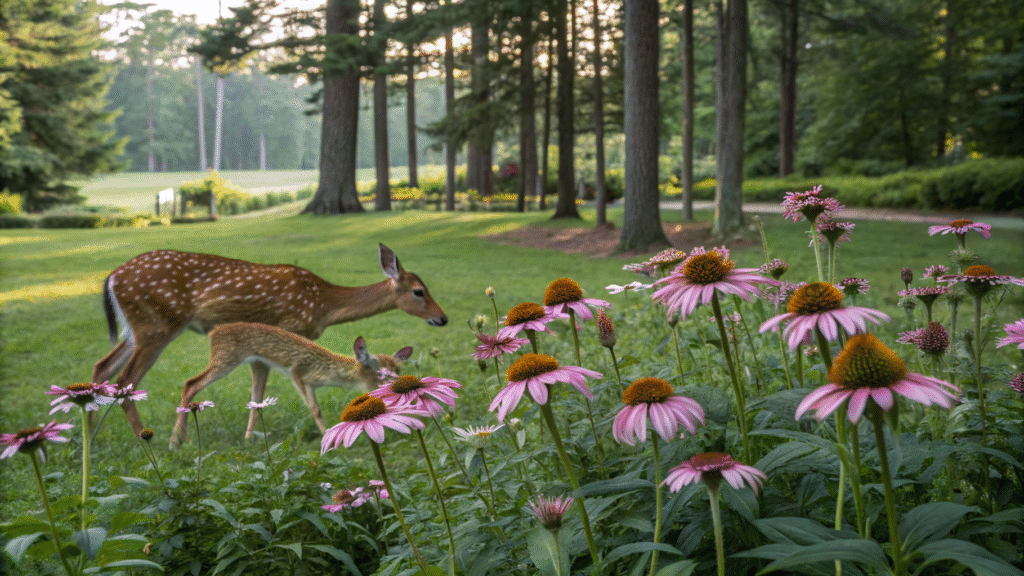
More importantly for pet owners, the American Society for the Prevention of Cruelty to Animals (ASPCA) lists Echinacea species as non-toxic to cats, dogs, and horses. While excessive consumption of any plant can cause minor stomach upset, this classification provides peace of mind, making it one of the safest flowering perennials to integrate into a family-friendly garden space.

7. Indoor Elegance: Fresh & Dried Beauty for Your Home
The beauty of the coneflower is not limited to the garden. Echinacea makes a magnificent addition to your indoor decor, both fresh and dried. When the plant is in full bloom, freshly cut Echinacea flowers create stunning, long-lasting bouquets. Their strong stems and bold, dome-like centers provide great structural interest in floral arrangements, immediately adding a touch of natural, rustic elegance to any room.
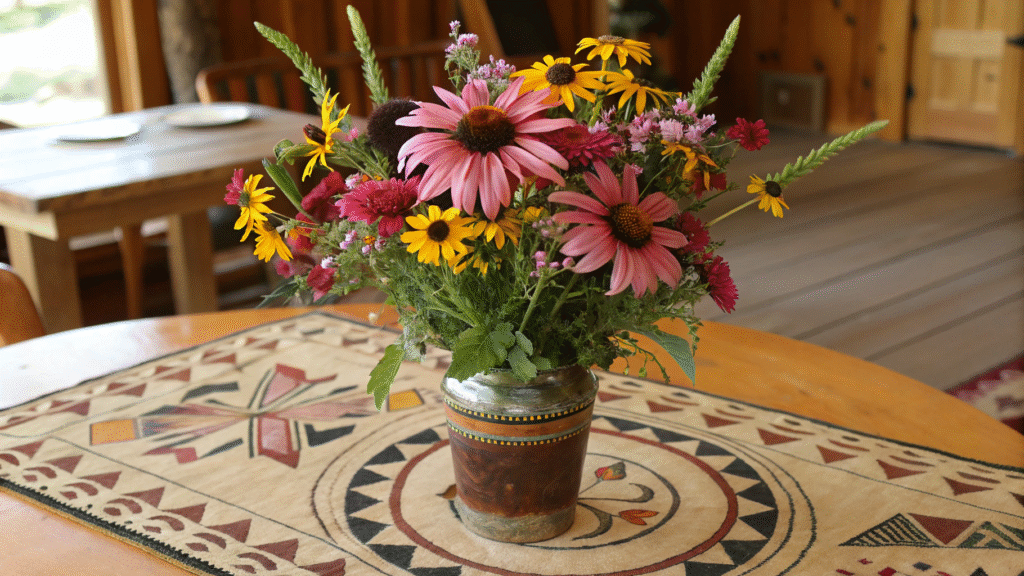
When the blooms fade, the petals and leaves can be collected and dried for homemade potpourri blends, offering subtle earthy fragrances. The distinct, spiky dried seed heads also serve as excellent textural elements for wreaths, dried bouquets, and other sustainable home craft projects throughout the colder months.

8. The Perfect Brew: Making and Benefits of Echinacea Tea
One of the most comforting ways to consume this herb is by brewing a simple, soothing tea. Echinacea tea can be made from fresh or dried flowers, leaves, or even the root (which contains high concentrations of beneficial compounds). Simply steep the herb in hot water for about 10 minutes to extract the medicinal properties. The resulting tea offers a unique, slightly earthy, and subtly floral flavor.

This warm beverage is widely enjoyed for its primary benefit: its potential to support the body’s natural immune response. Many people integrate it into their routine during the winter or at the very first signs of seasonal illness, utilizing the warming brew to feel nourished and fortified against the elements.

9. Immune & Respiratory Support: Your Natural Defense
Echinacea has earned its reputation as an essential herb due to its potential to act as a powerful natural defense mechanism. Its most famous role is as an immune booster, believed to work by stimulating the production of essential white blood cells, helping the body efficiently combat pathogens like cold and flu viruses. Beyond general immunity, Echinacea is also traditionally utilized for respiratory support.
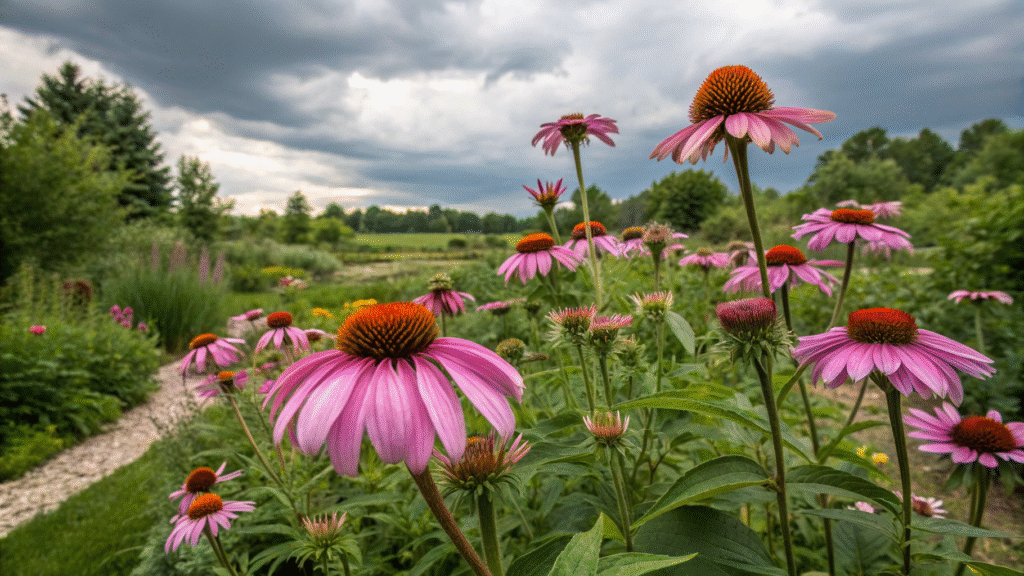
It can help alleviate symptoms associated with upper respiratory tract infections, such as coughs, congestion, and mild irritation, by supporting the health of the mucous membranes. Having a quality Echinacea preparation readily available can be a key component in a proactive, natural approach to winter wellness.

10. A Legacy of Healing: Native American Roots
Echinacea is truly an American heritage herb, with deep cultural and geographical significance. All Echinacea species are native to the Great Plains and woodlands, particularly areas east of the Rocky Mountains in the United States.
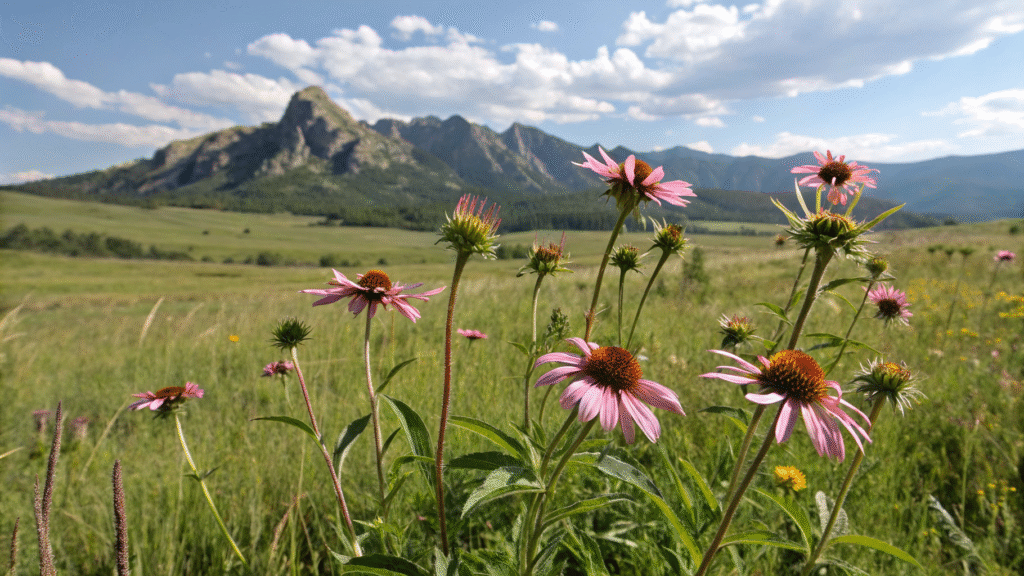
It was within these native ranges that indigenous peoples first uncovered its incredible potential. The Purple Coneflower (Echinacea purpurea) was originally discovered and utilized by Native American tribes—including the Cheyenne, Sioux, and Kiowa—as a cornerstone of their herbal medicine. They treated a vast array of ailments with it, from snakebites and wounds to toothaches, firmly establishing Echinacea’s enduring legacy as one of the most vital healing plants on the continent.

Conclusion: Start Your Coneflower Craze Today!
The evidence is clear: Echinacea is a spectacular addition to any garden. It’s a beautiful, hardy perennial that gives back continuously, supporting local wildlife, enriching your soil, and providing a powerful, natural boost to your health. Whether you choose the classic Purple Coneflower or a vibrant hybrid, planting Echinacea is an easy, rewarding step toward creating a more sustainable, beautiful, and healthy environment right where you live.
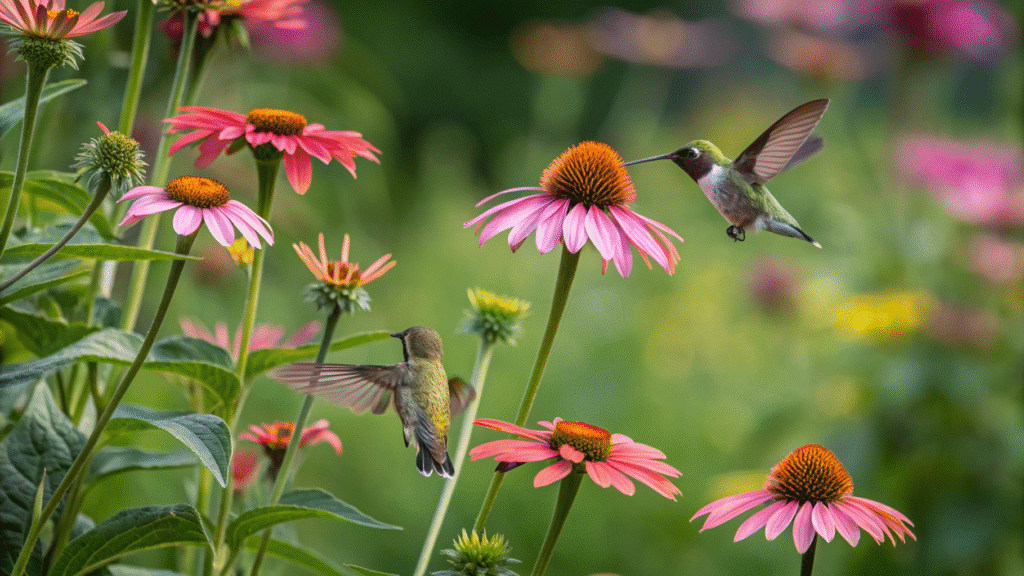
Ready to see these magnificent blooms in action?
▶️ Watch the video now! The Coneflower Craze: 10 Must-Know Reasons to Plant Echinacea Today!