10 Timeless Reasons You Need Dill in Your Home and Garden
Anethum graveolens🌿
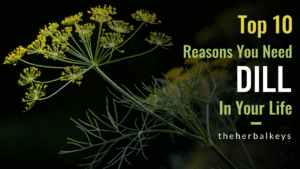
If you are looking to add a touch of freshness to your garden and a burst of flavor to your kitchen, look no further than Anethum graveolens—better known as Dill. Gardening is often about finding plants that offer high rewards for low maintenance, and dill fits that bill perfectly. It is a powerhouse herb that offers aesthetic beauty, culinary versatility, and surprising health benefits.
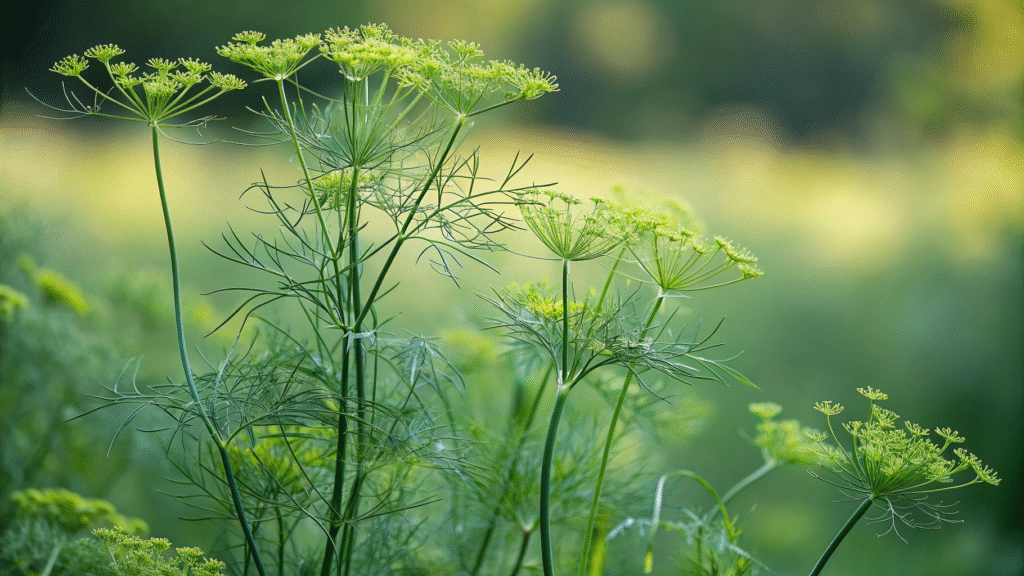
Whether you are a master gardener or just tending to a few pots on a patio, this herb deserves a spot in your soil. From its ancient history to its modern-day nutritional value, here are the top 10 reasons you need to start growing dill today.
1. Diverse Varieties for Every Space
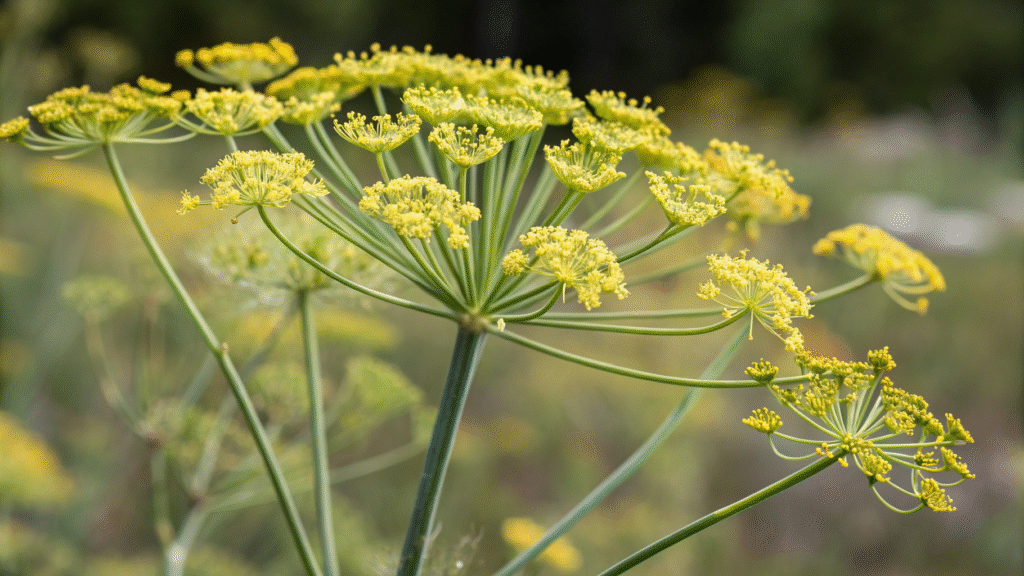
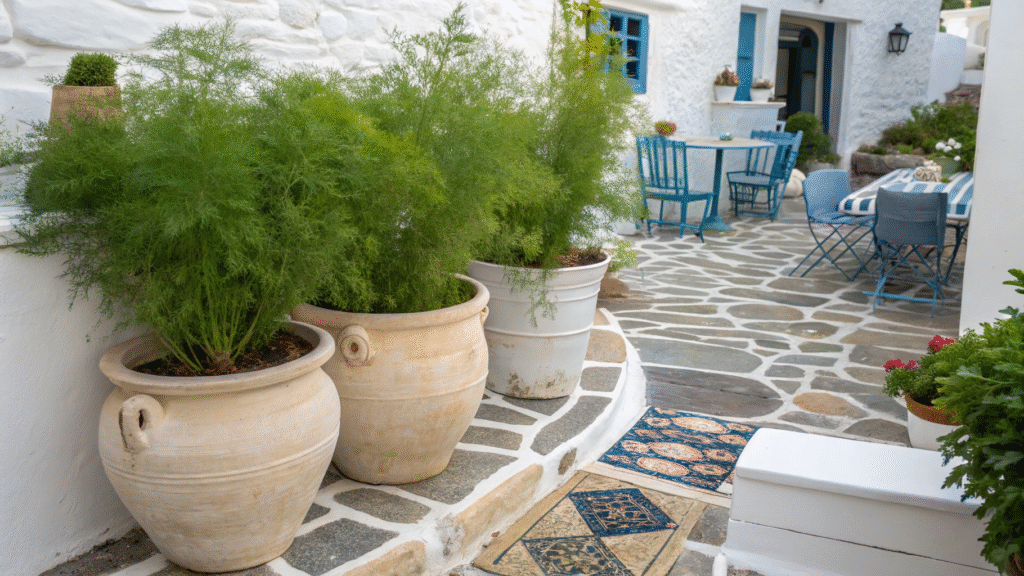
Dill isn’t a “one size fits all” plant. Understanding the varieties available allows you to customize your garden to your specific needs. The most common variety is “Bouquet,” which grows tall (up to 3 feet) and produces large, yellow seed heads, making it the gold standard for pickling.
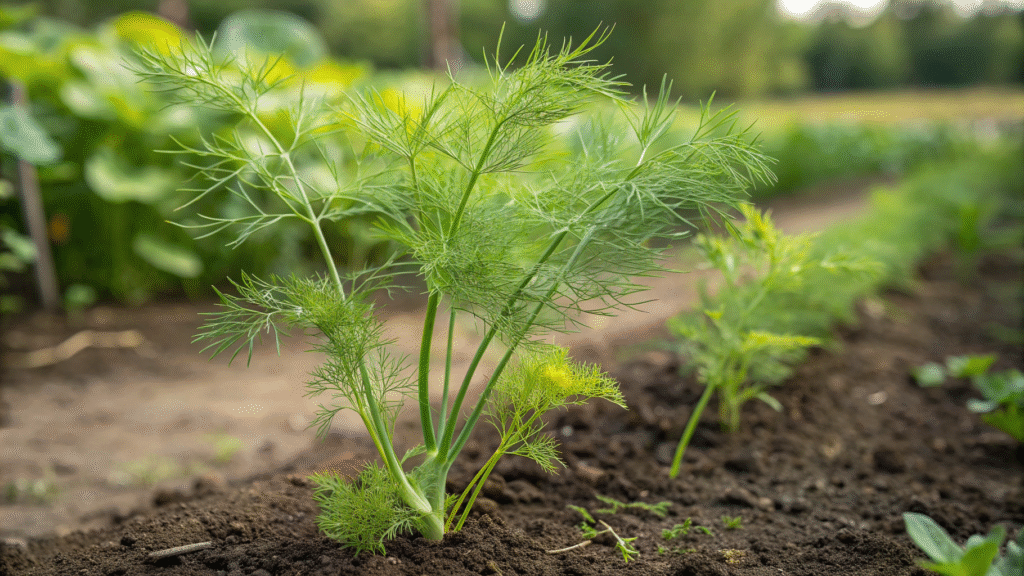
However, if you are gardening in a smaller space or using containers, “Fernleaf” dill is a dwarf variety that stays compact—usually under 18 inches—and is slow to bolt, giving you a longer leaf harvest.
Another fascinating variety is “Dukat,” often called the sweetest dill, which is prized for having a higher essential oil content than standard varieties. “Long Island Mammoth” is the go-to for those who want massive yields of seeds. Knowing these differences ensures you pick the right plant for your space.
Fact: Dill is part of the Umbelliferae family (also known as Apiaceae), which means it is a cousin to carrots, parsley, celery, and fennel.
2. Easy Growing and Propagation
For the “lazy gardener” or anyone looking to reduce physical strain in the garden, dill is a dream. It is cold-hardy and thrives in USDA zones 3 through 10. The most critical rule for growing dill is to direct sow it; dill develops a long taproot very quickly, making it notoriously difficult to transplant successfully. It prefers full sun and slightly acidic, well-draining soil.
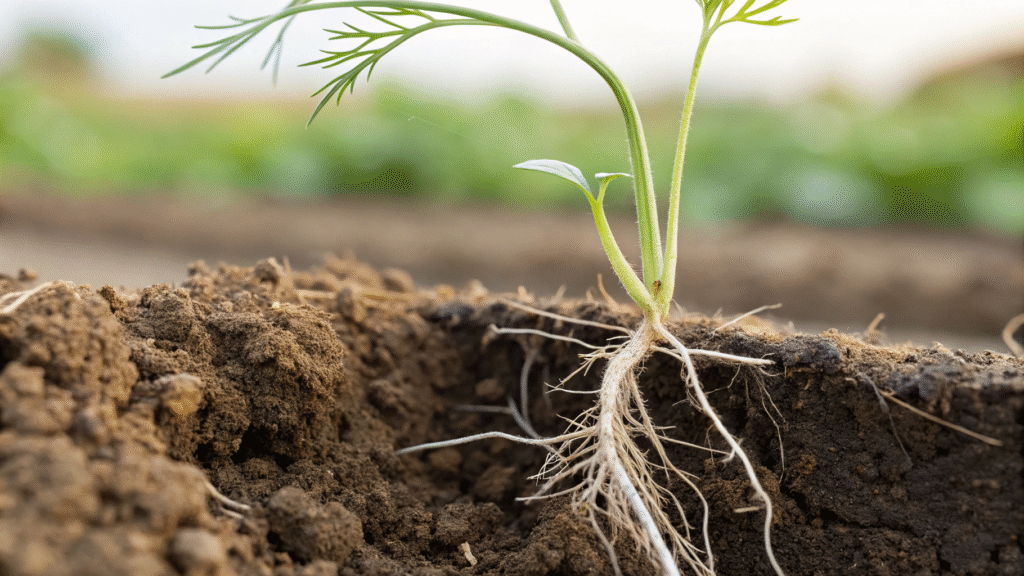
One of the best features of dill is its ability to self-seed. If you leave the flower heads on the plant at the end of the season, the wind will scatter the seeds for you, and you will likely have volunteer plants popping up next spring. This “set it and forget it” propagation style is perfect for maintaining a low-maintenance garden.
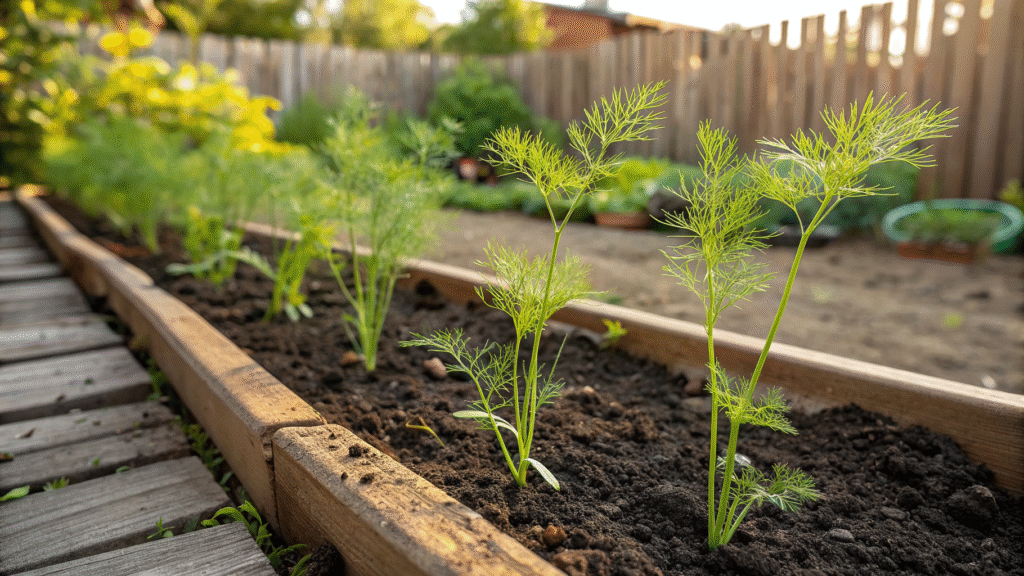
Tip: To ensure a constant supply of fresh leaves, practice “succession planting” by sowing new seeds every three weeks from early spring until mid-summer.
3. A Guardian for Your Garden
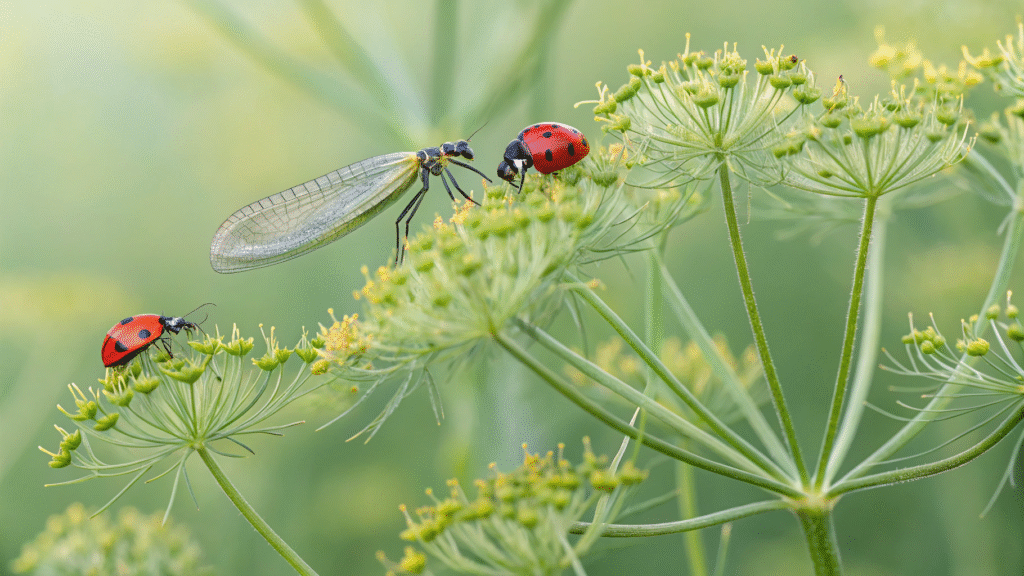
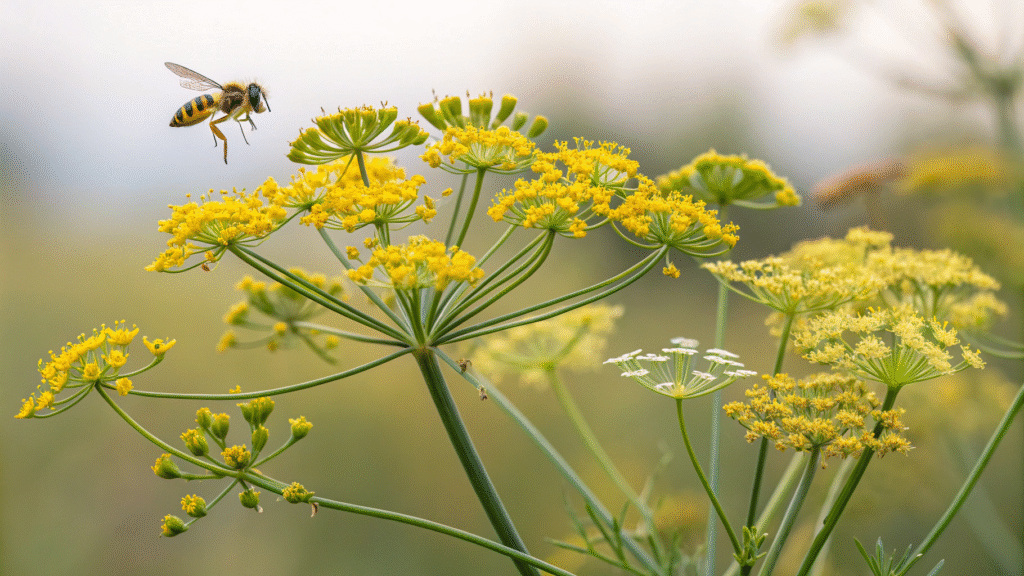
Dill is one of the best companion plants you can grow. Its umbrella-shaped flowers are magnets for beneficial insects, specifically predatory wasps and ladybugs, which hunt down garden pests like aphids and spider mites. By planting dill near your cabbages or lettuces, you are essentially hiring a natural security detail for your vegetables.
Furthermore, dill is the primary host plant for the Black Swallowtail butterfly caterpillar. While the caterpillars will eat some of the foliage, the trade-off is seeing beautiful butterflies in your garden later in the season. However, be careful where you place it; while dill loves cucumbers and onions, it makes a poor neighbor for carrots. Because they are closely related, they can cross-pollinate if they bloom at the same time, ruining the flavor of the seeds, and they also attract the same pests, like the carrot rust fly.
4. Preservation is a Breeze
If you have an abundance of dill, you never have to let it go to waste. While drying herbs is the traditional method, dill actually loses a significant amount of its flavor when dried because its essential oils are highly volatile. If you do dry it, keep it in a dark, airtight glass jar and use it within six months.
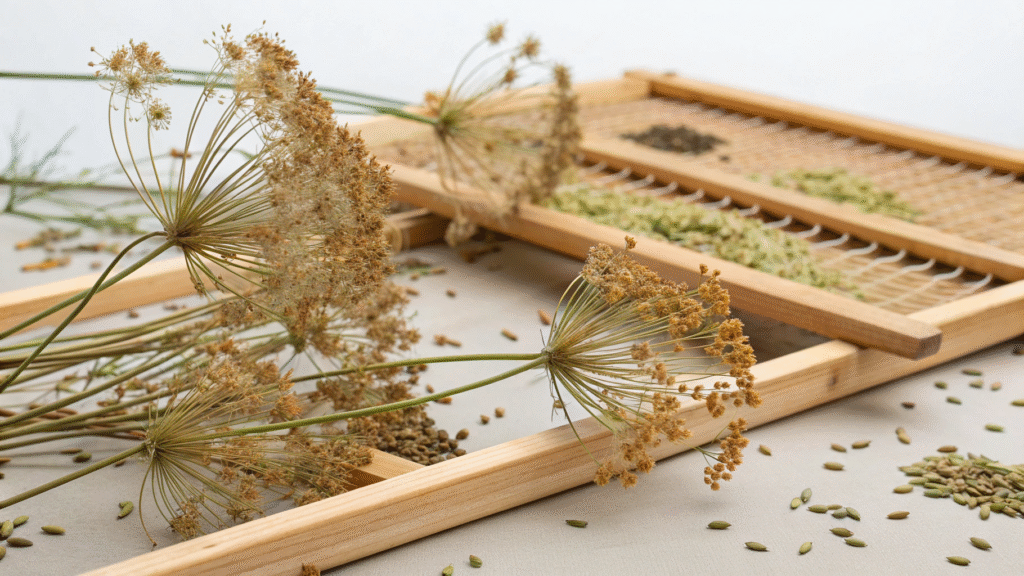
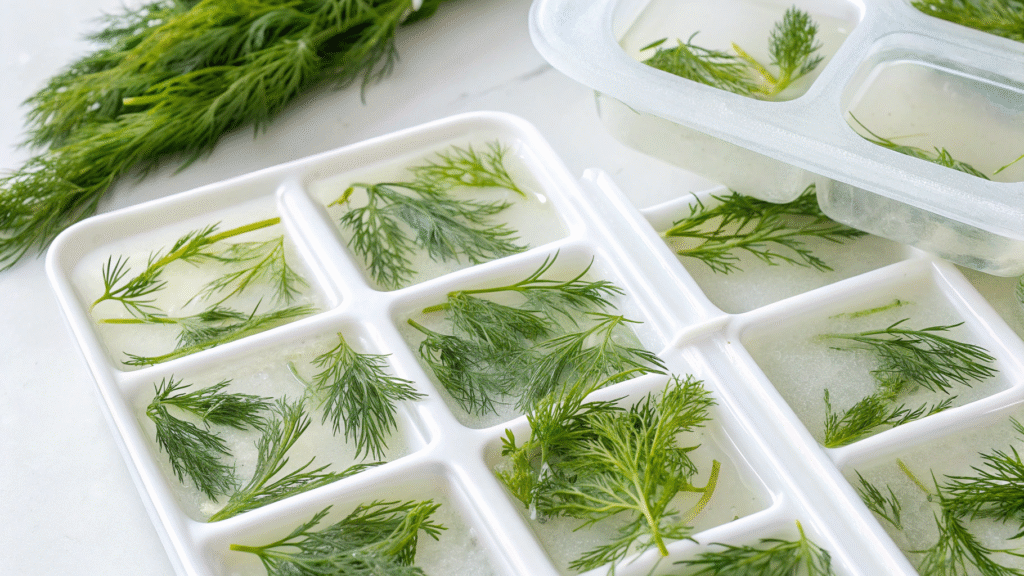
For better flavor retention, freezing is superior. You can freeze whole springs in airtight bags, or chop the leaves and freeze them in ice cube trays with water or olive oil. These “flavor cubes” can be dropped directly into soups or sauces in the dead of winter.
Another historic preservation method is making “Dill Vinegar.” By steeping fresh dill flowers and fronds in white vinegar for three weeks, you create a pungent, shelf-stable condiment that is perfect for salad dressings or marinades.
5. The King of Fresh Culinary Herbs
In the kitchen, fresh dill weed (the leaves) offers a delicate, grassy, and slightly tangy flavor that dried herbs simply cannot match. It is a staple in Northern and Eastern European cuisine, essential for dishes like Swedish Gravlax or Russian Borscht. Because the flavor of fresh dill is delicate, heat can destroy it rapidly. The golden rule of cooking with fresh dill is to add it at the very end of the cooking process or use it as a raw garnish.
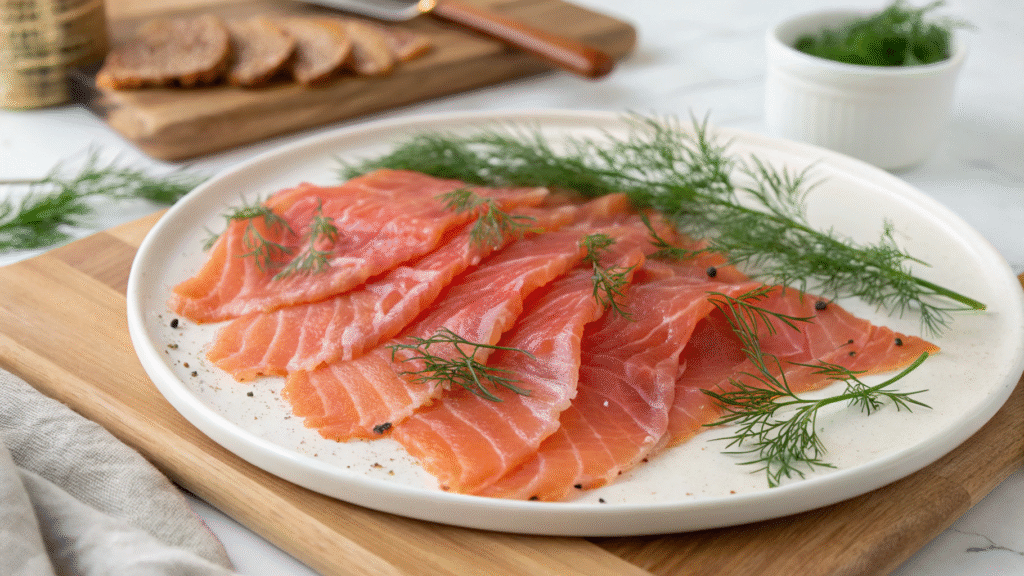
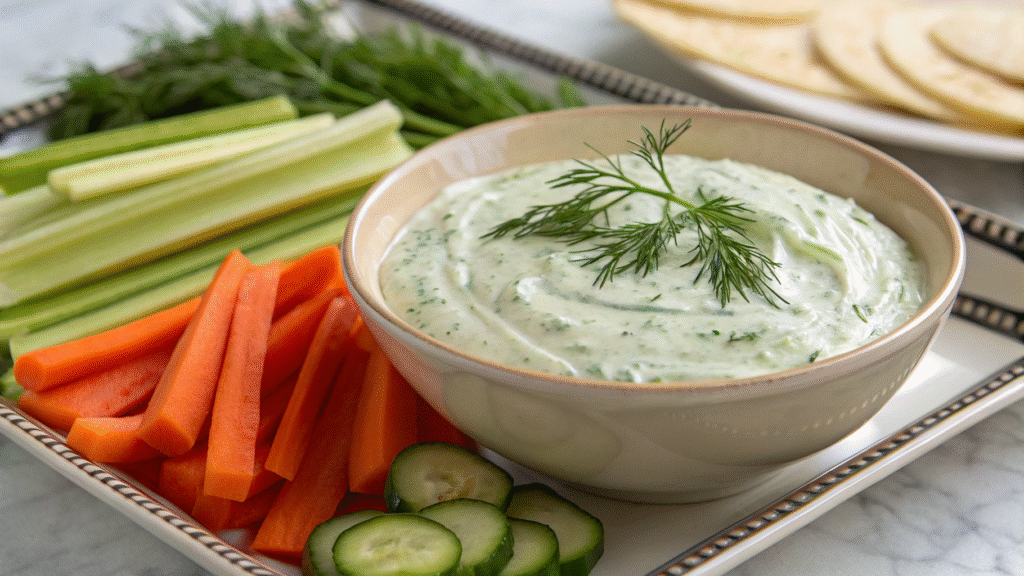
It pairs exceptionally well with dairy products; mixing chopped dill into sour cream, Greek yogurt, or cream cheese creates an instant, sophisticated dip. It is also the perfect counterpoint to starchy comfort foods. A generous handful of fresh dill tossed over boiled new potatoes with butter is a simple yet gourmet side dish.
Tip: When chopping fresh dill, use kitchen shears rather than a knife to prevent bruising the delicate leaves, which can darken them.
6. The Potent Power of Dill Seeds
While the leaves are delicate, dill seeds are the heavy lifters of the flavor world. They contain a higher concentration of essential oils, giving them a pungent, slightly bitter flavor with notes of caraway and anise. This makes them ideal for long-simmering dishes where the leaves would fade away. They are the backbone of pickling spices, but their use goes far beyond cucumbers.
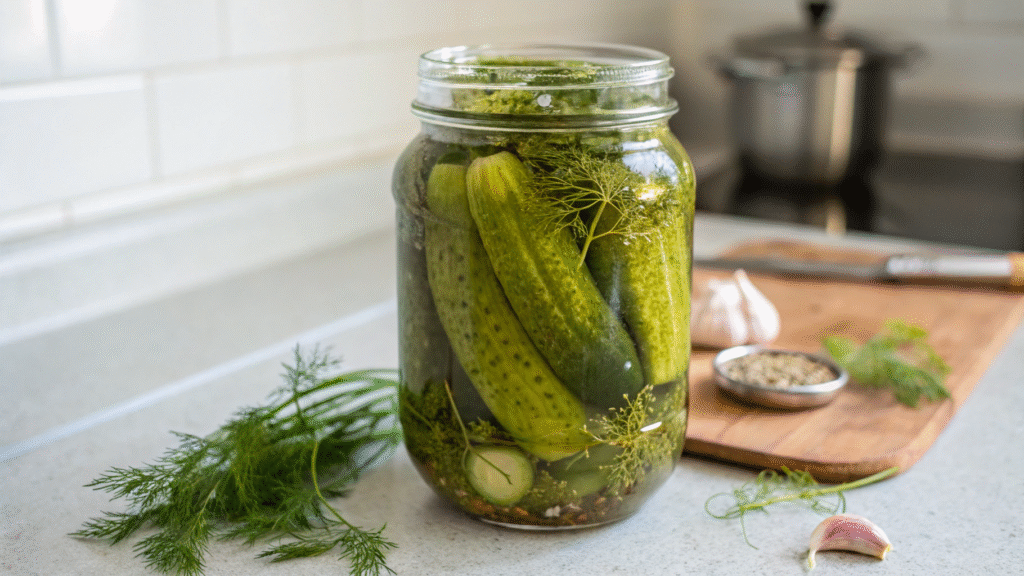
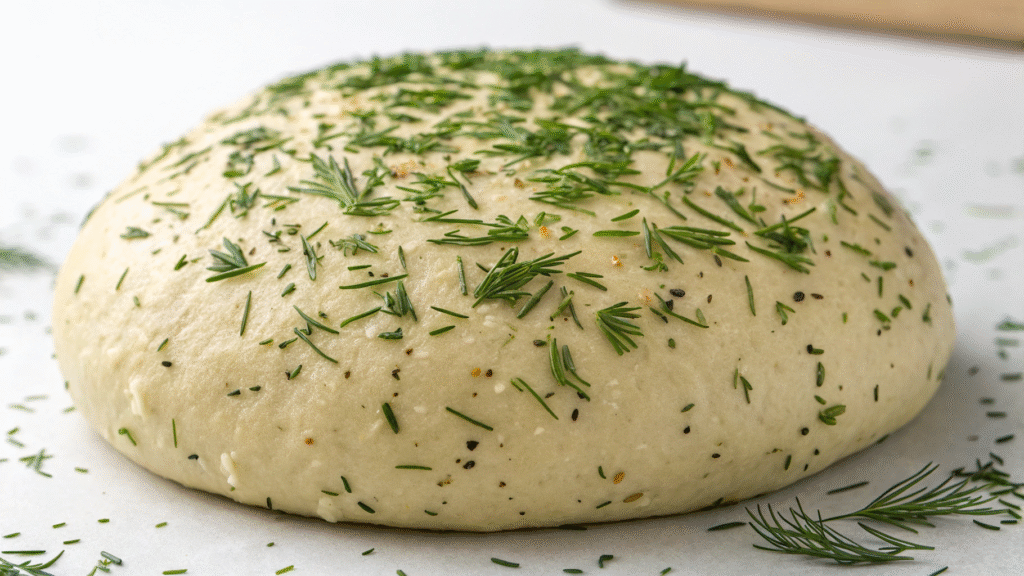
Dill seeds are excellent in baking, particularly in rye breads or savory biscuits. They also aid in tenderizing meat; try adding crushed dill seeds to a braising liquid for brisket or pork shoulder. Before using them, lightly toast the seeds in a dry skillet for a minute or two. This process, known as “blooming,” releases the oils and intensifies the aroma.
Fact: In colonial America, dill seeds were often called “meetinghouse seeds” because people would chew on them during long church services to suppress their appetite and stay awake.
7. A Natural Digestive Aid
As we age, digestive health often becomes a higher priority, and dill has been used for millennia as a “carminative”—an herb that relieves gas and bloating. The essential oils in dill, particularly limonene and carvone, help to relax the smooth muscles in the digestive tract. This is why dill is so often paired with heavy, fatty foods or gas-producing vegetables like cabbage; it helps the body process the meal more comfortably.

Drinking dill tea after a meal is a soothing ritual. To make it, simply steep two teaspoons of mashed seeds in boiling water for ten minutes. It’s a gentle, caffeine-free way to settle the stomach.
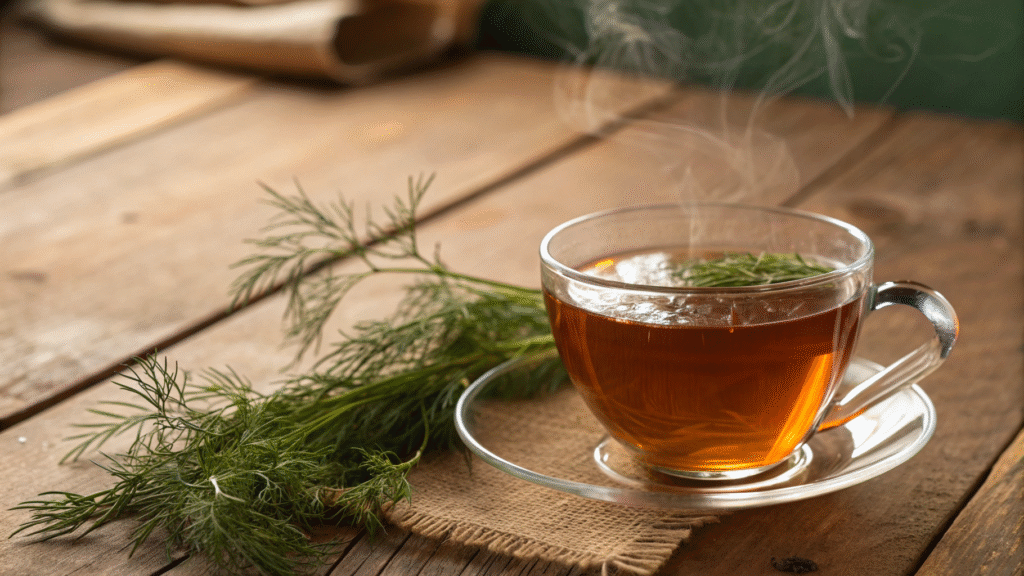
Dill is the main ingredient in “gripe water,” a traditional remedy used for centuries to soothe colicky babies, proving its gentle effectiveness on even the most sensitive digestive systems.
8. Surprisingly Nutrient-Dense
We often think of herbs as just flavor, but dill acts as a nutritional supplement. It is surprisingly rich in calcium, which is vital for maintaining bone density—a key concern for those over 50. Just one tablespoon of dill seed contains as much calcium as one-third of a cup of milk. Additionally, dill is a good source of manganese, iron, and magnesium.
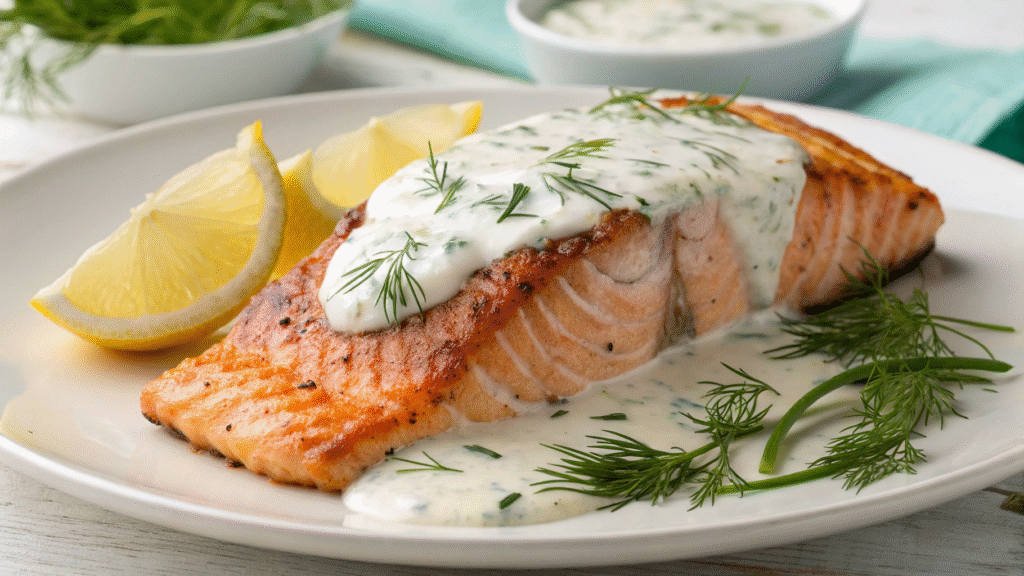
Beyond minerals, dill is packed with flavonoids, including quercetin and kaempferol, which act as powerful antioxidants and anti-inflammatory agents. These compounds help protect cells from damage and reduce the risk of chronic diseases like heart disease. Regular consumption of dill can also help lower cholesterol levels. So, when you sprinkle that dill over your salmon, you aren’t just making it taste better; you are actively boosting the heart-healthy properties of the meal.
9. Dyes, Scents, and Home Uses
Dill’s utility extends well beyond the dining room table. For the crafter, dill is a fantastic plant for natural dyeing. The flowers and stems produce a soft, buttery yellow dye for wool and silk. If you use a mordant (a substance used to set dyes) like iron, the color shifts to a mossy green. It is a fun, sustainable way to use the plant material after you have harvested the seeds.
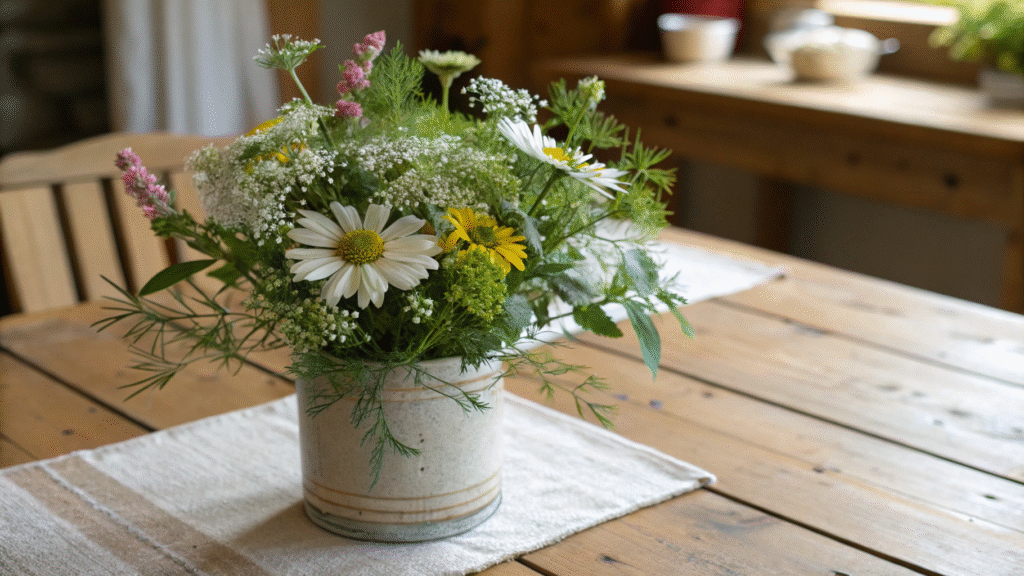
Dill is also aromatic enough to be used in potpourri. The dried flower heads hold their shape beautifully, adding an architectural element to dried floral arrangements while contributing a fresh, clean scent to a room.
In the past, the strong scent of dill was used to mask unpleasant odors in the home before modern sanitation. Today, you can put dried dill in sachets in your pantry to help repel pests like moths, as many insects dislike the volatile oils.
10. A History of Protection and Luck
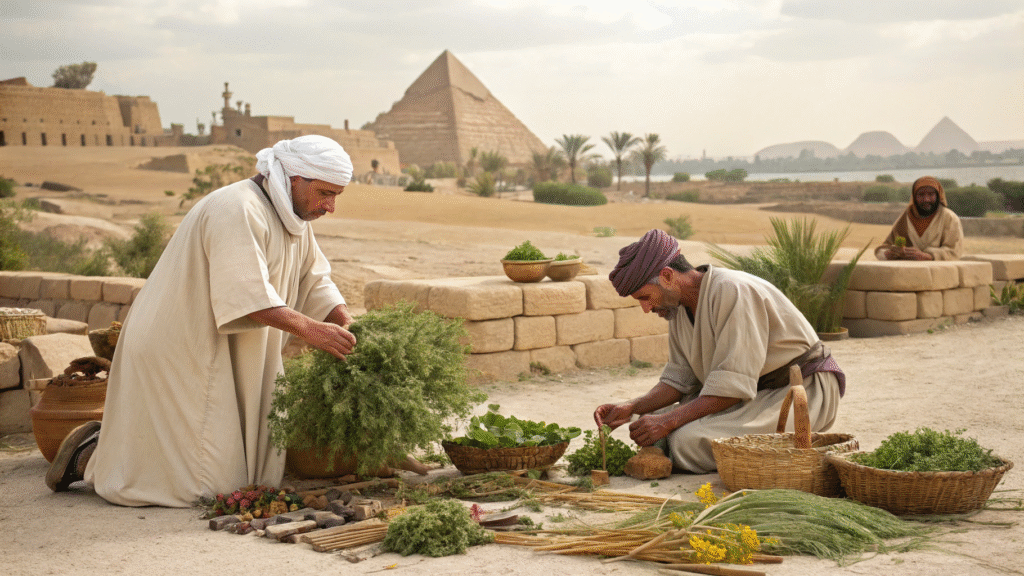
When you plant dill, you are participating in a human tradition that dates back over 5,000 years. The word “dill” is derived from the Old Norse word dilla, meaning “to lull” or “soothe,” referencing its medicinal ability to calm stomachs and induce sleep. In Ancient Rome, gladiators were fed meals with dill because it was thought to grant valor and strength.
In the Middle Ages, the lore took a turn toward the supernatural. Dill was considered a powerful charm against witchcraft. People would hang dried bunches of dill over their doorways or place it in cradles to protect against the “evil eye.” Conversely, it was also believed to be an ingredient in love potions.
Charlemagne, the Holy Roman Emperor, was such a believer in the herb’s value that he kept it on his imperial list of plants that were required to be grown in all his gardens.
Ready to start your dill garden?
Dill is truly the herb that keeps on giving. Whether you are looking to spice up your cooking, improve your digestion, or just enjoy the sight of yellow flowers swaying in the breeze, this plant is a must-have.
For a visual guide on how to plant, grow, and harvest this incredible herb, be sure to check out our full video breakdown below!
Watch the Video: Top 10 Reasons You Need Dill in Your Home & Garden