Your Garden’s Secret Weapon: 10 Reasons Clover is Your Ultimate Lucky Charm!
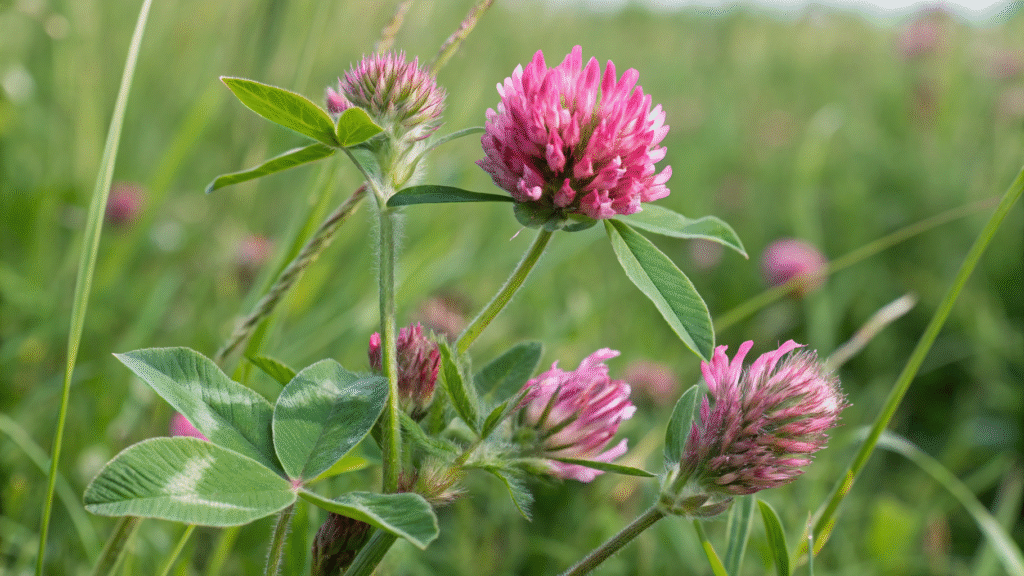
Trifolium pratense
Often dismissed as a common weed, the humble clover holds a treasure trove of secrets for gardeners and nature lovers alike. From its iconic symbol of luck to its profound benefits for soil and ecosystems, this unassuming plant is a true powerhouse.
Whether you’re a seasoned gardener seeking sustainable solutions or a curious mind fascinated by folklore, clover is ready to transform your outdoor space. It’s time to unlock its hidden potential and discover why this remarkable plant is more than just a lucky charm. Ready to be amazed? Let’s dig into the top 10 ways clover can revolutionize your garden and your life.
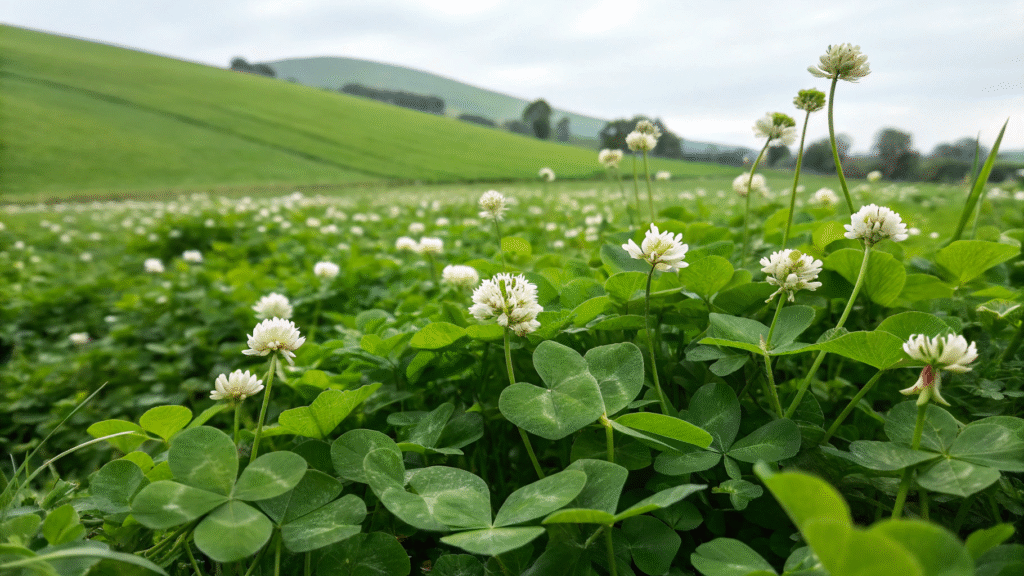
1. The Ultimate Soil Health Booster
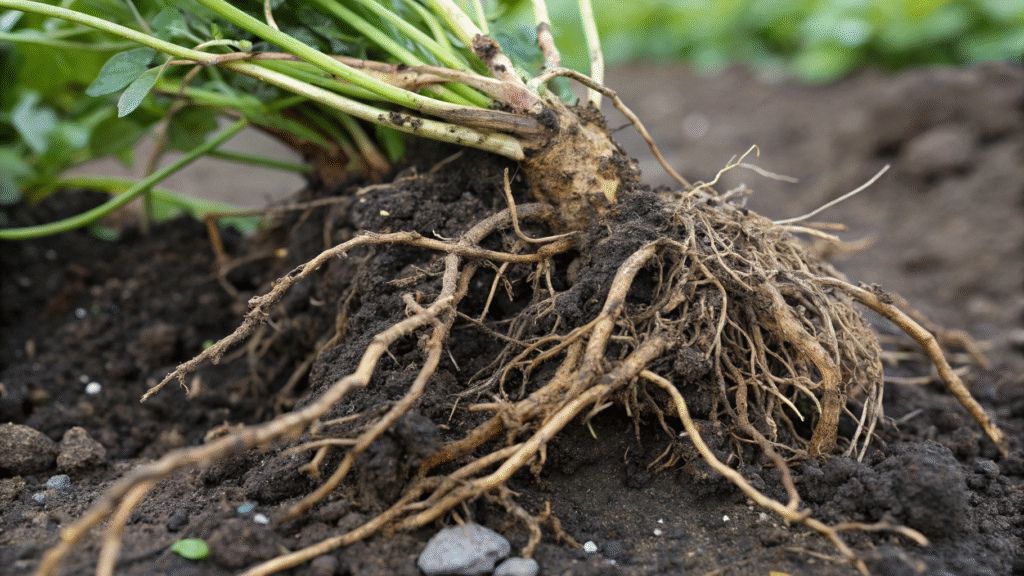
Clover is a genuine superstar when it comes to rejuvenating tired soil, thanks to a unique symbiotic relationship with beneficial bacteria known as Rhizobium. These tiny powerhouses live in nodules on the clover’s roots, pulling nitrogen directly from the air and converting it into a form that plants can easily absorb. This natural nitrogen-fixing process acts as a slow-release fertilizer, enriching the soil for everything else you grow without the need for synthetic chemicals.
Beyond fertilization, clover’s extensive root system also works wonders by breaking up compacted soil, improving aeration, and preventing nutrient runoff. Planting it as a cover crop is a time-tested strategy to prepare and protect garden beds, ensuring healthier and more resilient soil year after year.
2. A Low-Maintenance Ground Cover & Lawn Alternative
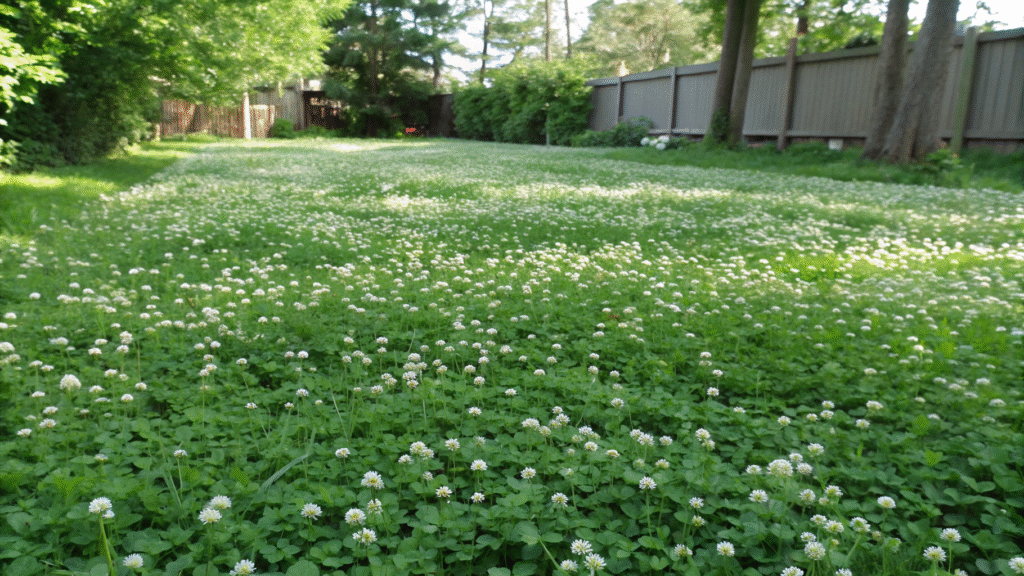
Tired of endless mowing, watering, and weeding? Clover offers a revolutionary solution. Unlike traditional turf grass, which requires a significant amount of water and fertilizer, clover is remarkably drought-tolerant, staying lush and green even during summer heatwaves. Its dense, low-growing mat naturally outcompetes persistent weeds like dandelions and crabgrass, drastically reducing your need for herbicides and weeding chores.
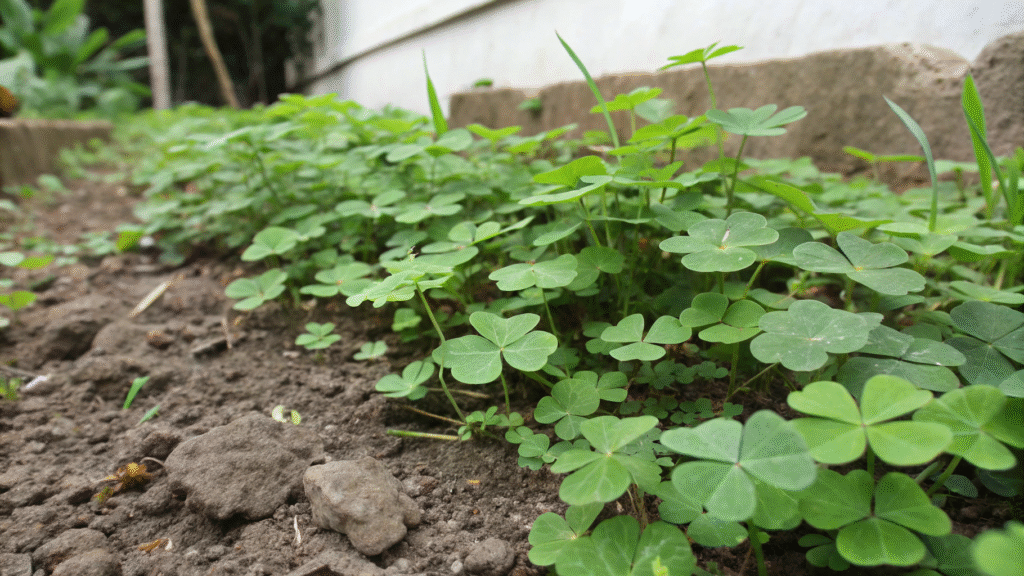
The introduction of micro-clover varieties has made it even more appealing for modern lawns, creating a soft, uniform carpet that stands up well to foot traffic. Choosing clover isn’t just a low-maintenance choice; it’s an eco-friendly decision that conserves water, eliminates chemical use, and provides a healthier, more durable ground cover.
3. A Vital Pollinator Magnet
If you want to create a buzzing, vibrant ecosystem, clover is your golden ticket. Its abundant, nectar-rich blossoms are an irresistible feast for a wide variety of pollinators, including honeybees, bumblebees, solitary bees, and butterflies. While many plants have a short flowering window, clover offers a continuous supply of food throughout the growing season, from late spring until the first frost. This prolonged feast provides a critical lifeline for local bee populations, which are facing unprecedented declines.
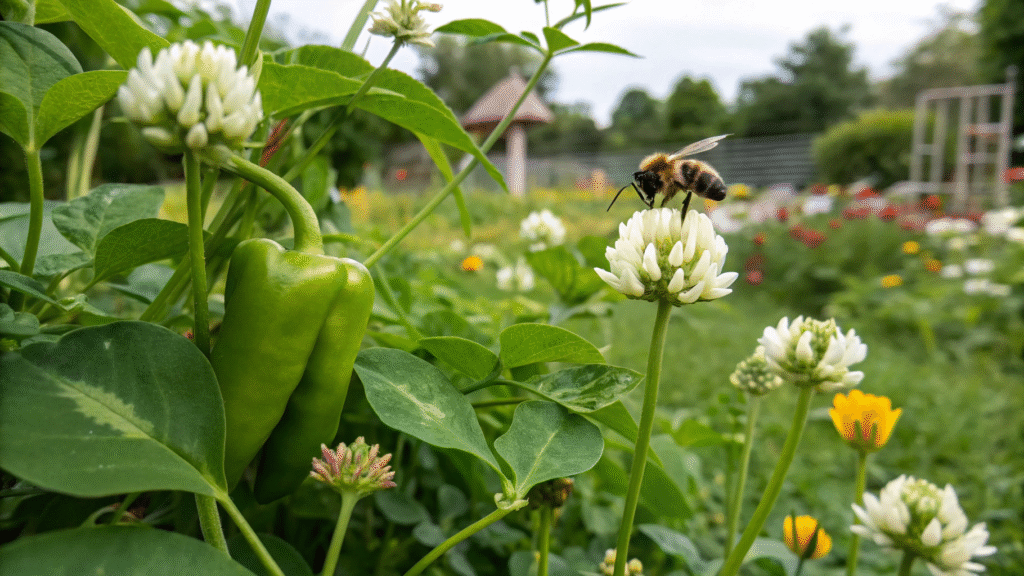
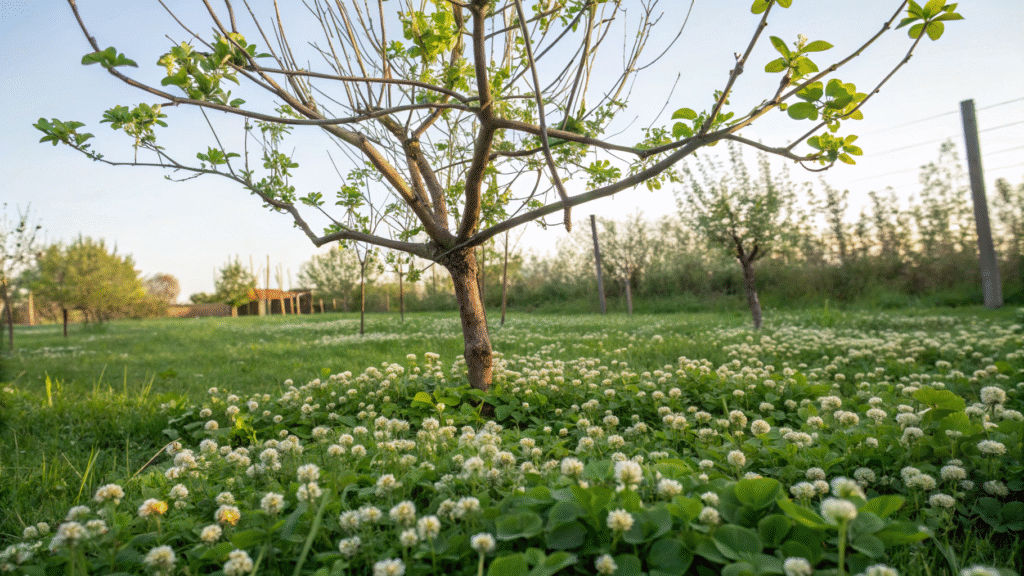
By simply allowing clover to bloom in your lawn or garden, you are contributing directly to the health and sustainability of your local ecosystem, ensuring that your fruit trees and vegetables receive the pollination they need for a bountiful harvest.
4. A Natural Forage for Livestock & Wildlife
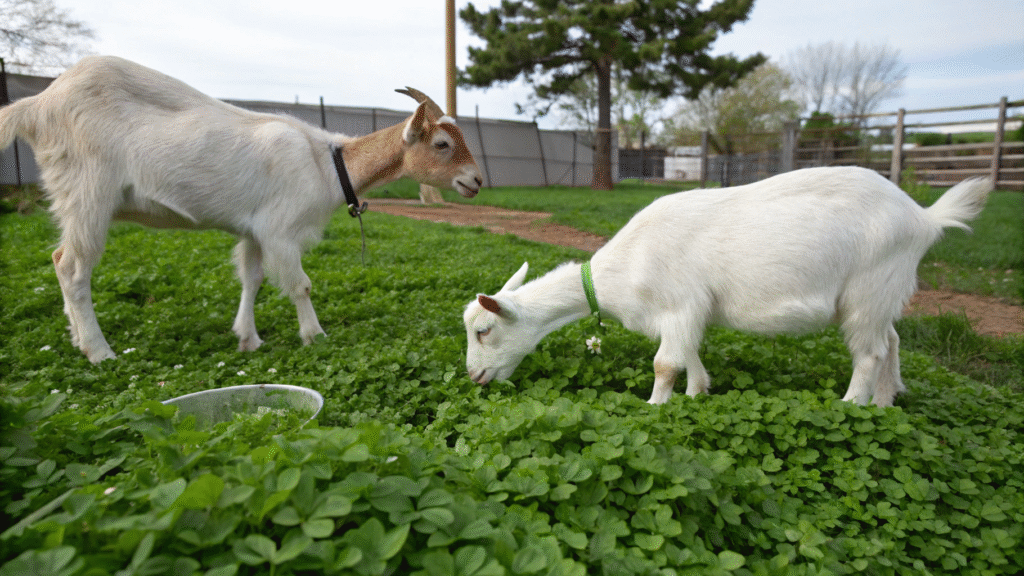
Clover’s benefits extend far beyond the garden fence. For centuries, it has been a cornerstone of agriculture, prized as a nutritious and easily digestible forage crop for livestock. It is incredibly rich in protein, vitamins, and minerals, making it an excellent food source for cattle, sheep, goats, and horses, contributing to their overall health and vitality.
But its importance isn’t limited to farm animals. Clover patches also serve as a vital natural food source for local wildlife. Rabbits, deer, and many small mammals rely on clover as a consistent part of their diet, especially in times of limited food. Incorporating clover into pastures or wild meadows is a simple way to support local animal populations and enhance the natural biodiversity of your land.

5. A Palette of Colors for Your Garden
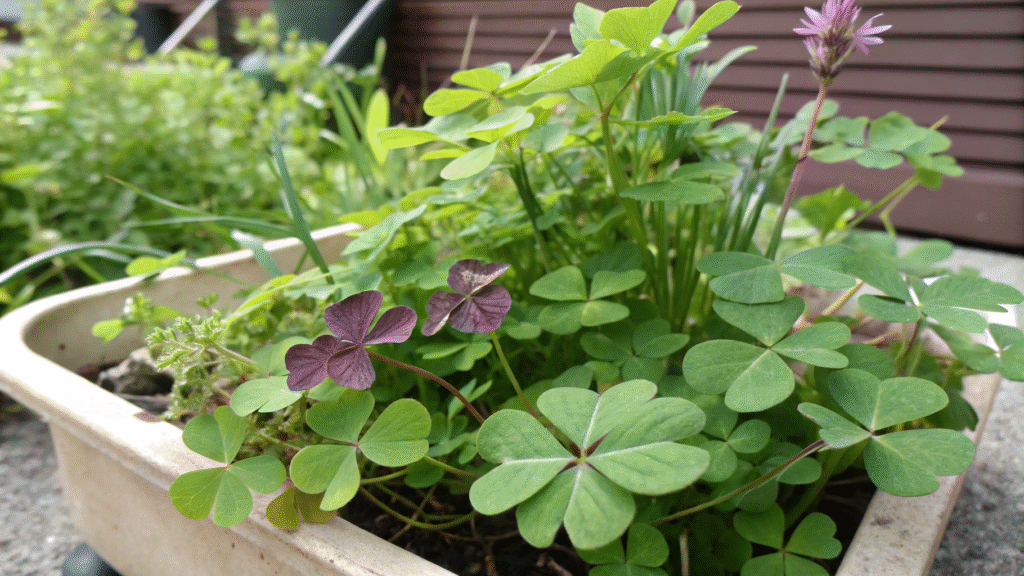
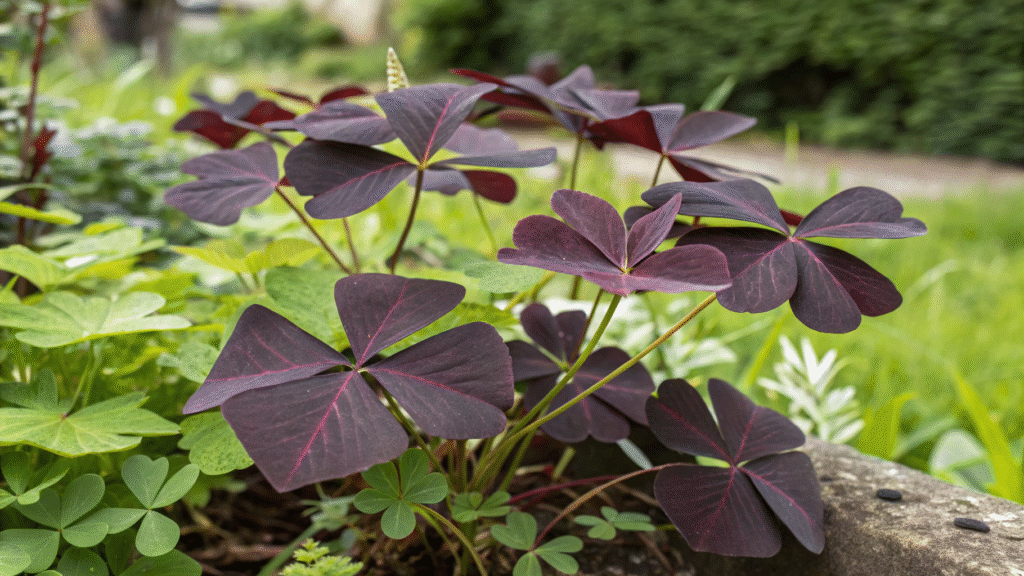
While most people envision a plain green plant, clover offers surprising aesthetic versatility. Beyond its standard green leaflets and white flowers, diverse cultivars can add rich visual interest to any landscape. For example, the variety Trifolium repens ‘Purpurascens Quadrifolium’ features deep bronze leaves with striking crimson markings, perfect for adding a touch of dark drama to a container garden. Others, like the aptly named ‘Dark Dancer,’ boast a beautiful dark purple foliage.
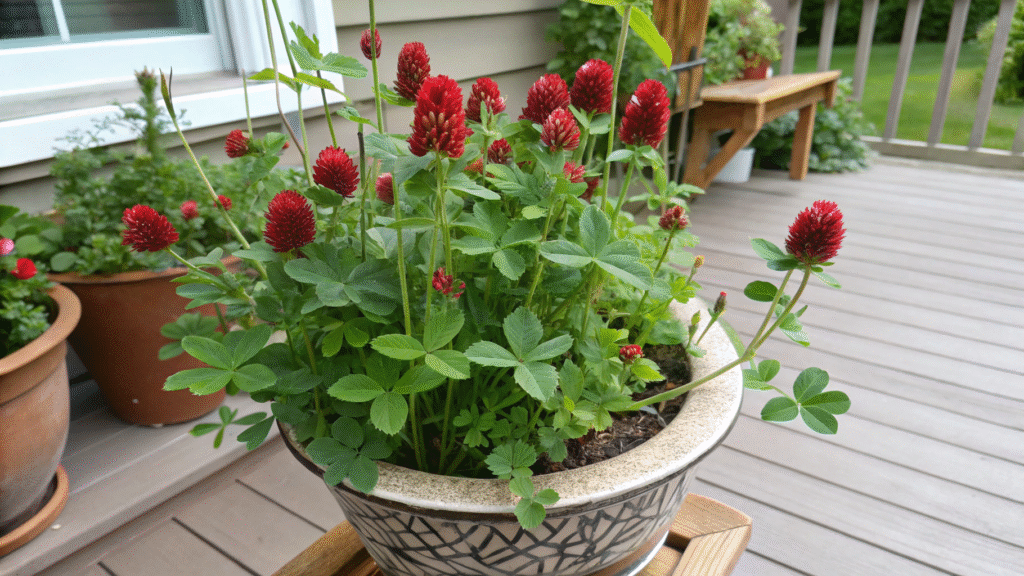
For a truly eye-catching display, Trifolium incarnatum (Crimson Clover) produces stunning, brilliant red flowers that can create a spectacular display in a meadow or along a garden border. Its low-growing habit and a wide range of colors make it an ideal choice for living mulches, ground covers, and beautiful ornamental edgings, proving that a useful plant can also be incredibly beautiful.
6. An Edible and Nutritious Superfood
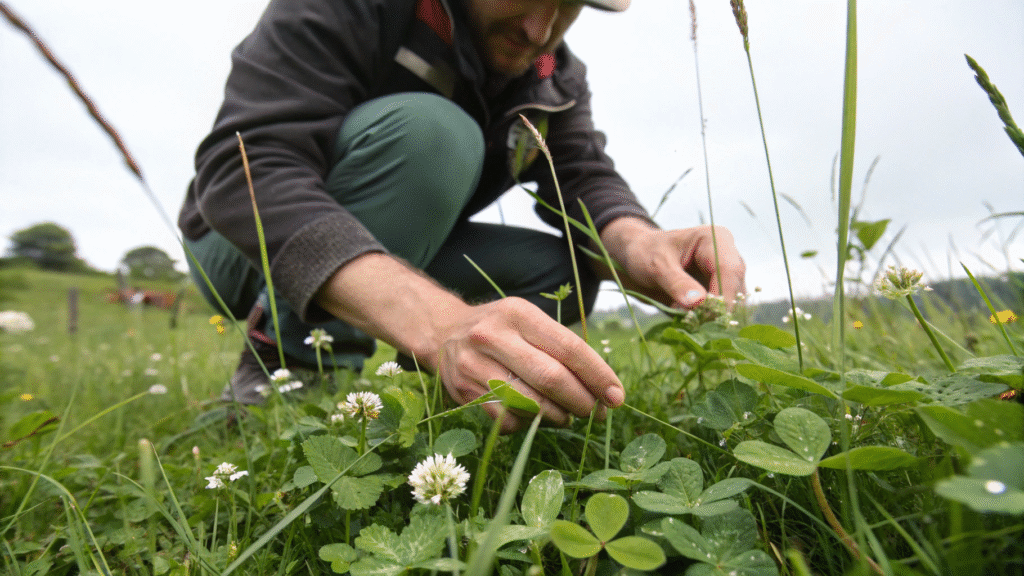
Clover is not just for the garden; it’s also a fantastic and nutritious addition to your kitchen. Both the leaves and flowers are edible and have been used in foraging traditions for centuries. The young leaves, which have a mild and slightly sweet flavor, can be added to salads, blended into green smoothies for a vitamin boost, or lightly steamed and prepared like spinach. The flower heads are equally versatile and can be used to make a delicately sweet herbal tea.
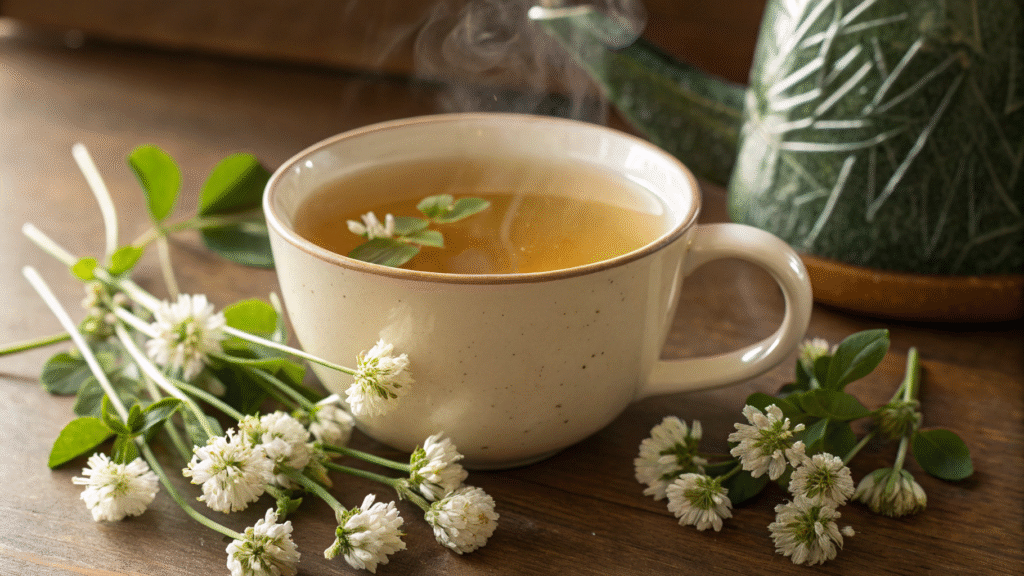
They can also be dried and ground into a nutritious powder for use in baked goods or even pancakes. Just remember to forage from a clean, chemical-free area. Incorporating clover into your diet is a simple way to connect with nature and enjoy its incredible, wild-grown benefits.
7. Hormonal Balance & Bone Support
When we talk about the medicinal benefits of clover, we’re usually talking about Red Clover (Trifolium pratense). This powerhouse herb is rich in isoflavones, plant-based compounds that can mimic the effects of estrogen in the body. For this reason, it has become a popular natural remedy, particularly for women experiencing the symptoms of menopause, with many reporting a reduction in hot flashes and night sweats.

In addition to hormonal support, some studies suggest that these same isoflavones may also help improve bone mineral density, offering a natural way to support bone health and potentially reduce the risk of osteoporosis. As with any herbal supplement, it’s always wise to consult with a healthcare professional before incorporating red clover into your routine, especially if you have pre-existing health conditions.

8. Boosting Honey Production: A Beekeeper’s Best Friend
Clover is a cornerstone of beekeeping and essential for producing some of the world’s most popular honey.
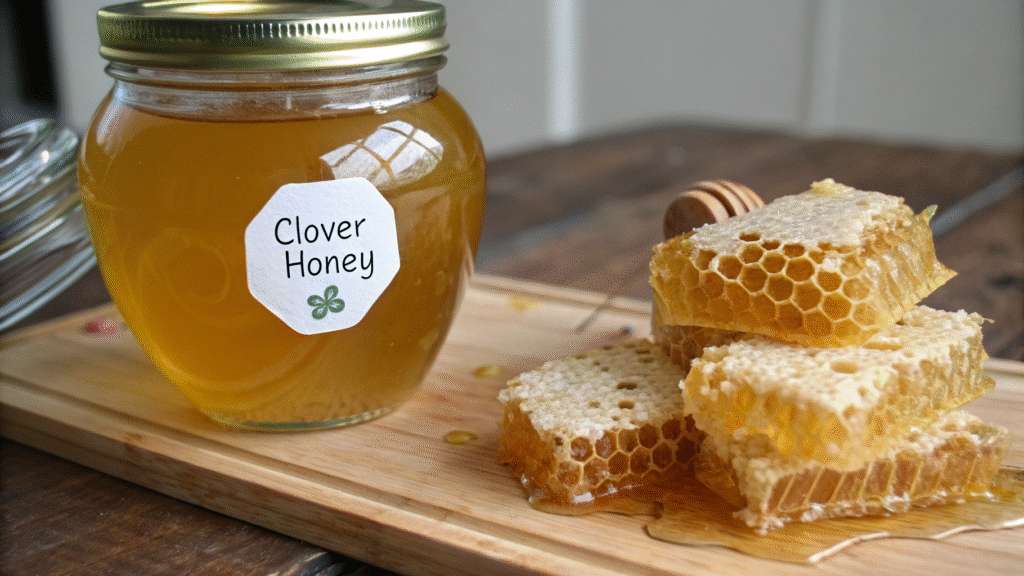
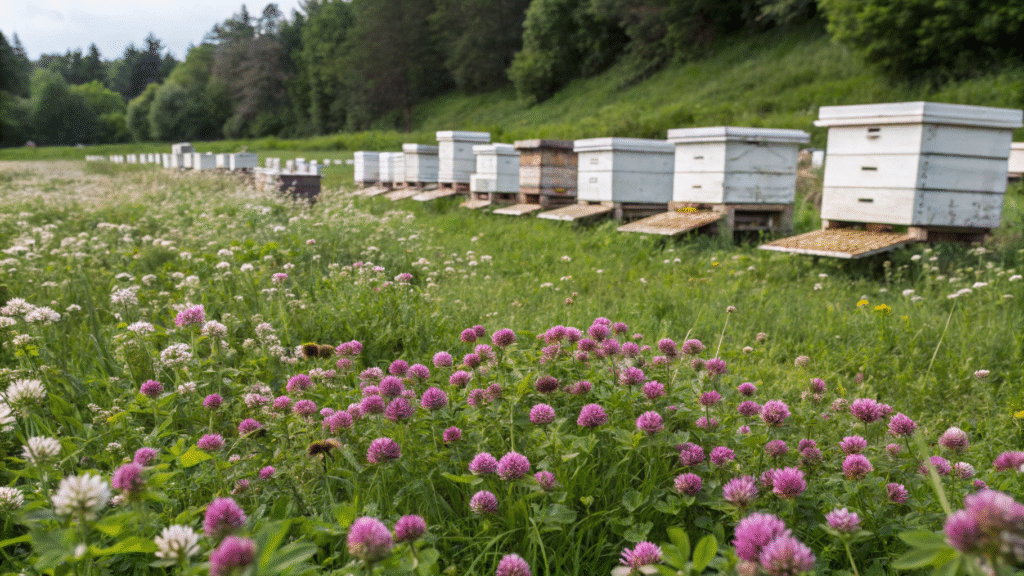
Its abundant blossoms are packed with high-quality nectar and pollen, providing a reliable and long-lasting food source that sustains bee colonies throughout the season. This consistent forage allows bees to thrive and produce significantly more honey.
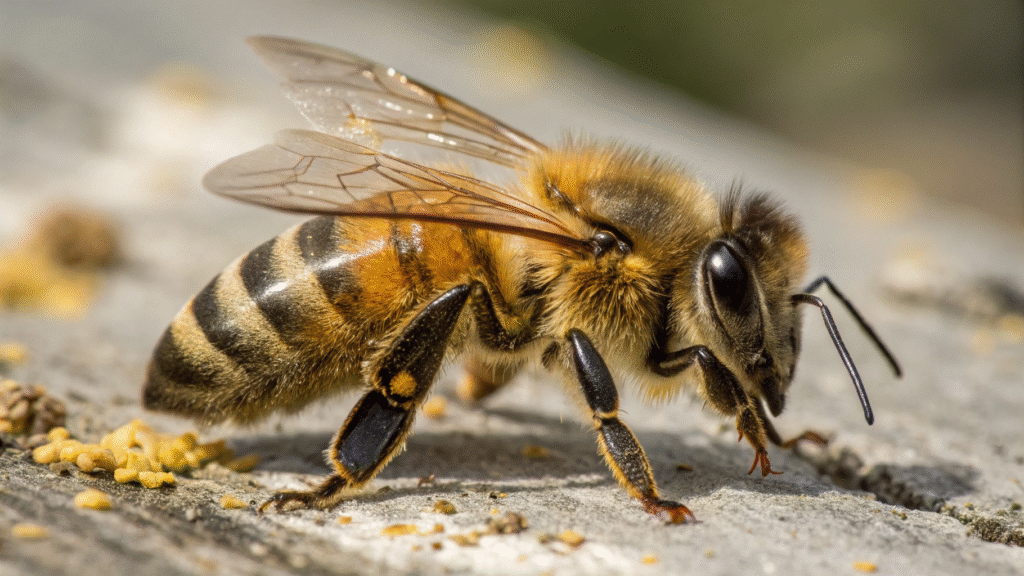
The honey produced predominantly from clover nectar is highly sought after for its characteristic light color, mild flavor, and delicate sweetness. Beekeepers often strategically plant large fields of clover to give their bees a continuous buffet, leading to an abundant harvest of this premium honey. Its reliability as a nectar source makes it a strategic choice for modern beekeeping and sustainable apiculture.
9. Enchanting Folklore & Magical Connections
Clover is deeply rooted in ancient, mystical folklore, particularly concerning the “wee folk” – fairies, elves, and other magical beings. It was believed to serve as a bridge between the human and supernatural realms, offering protective powers and even glimpses into the unseen world.
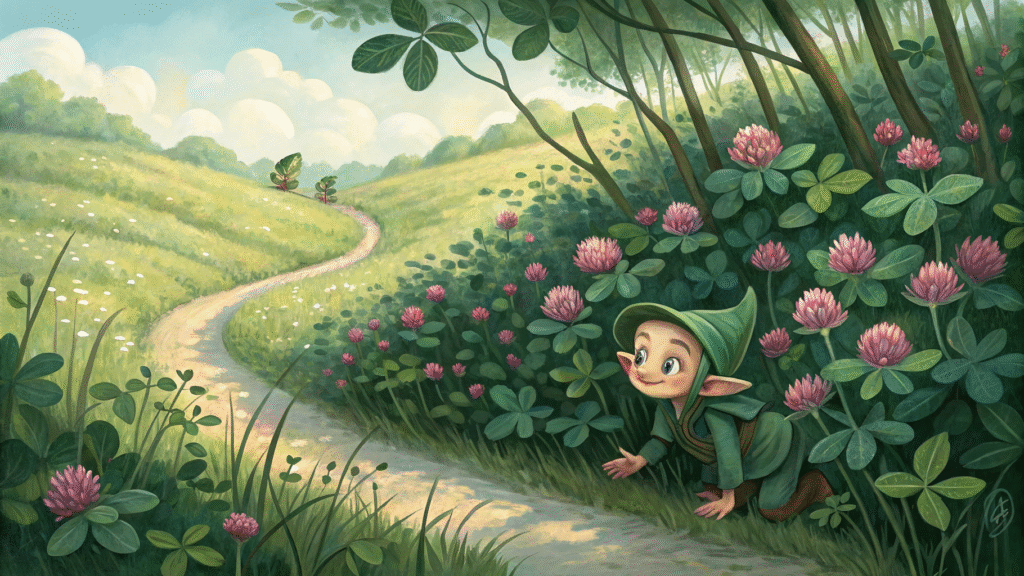
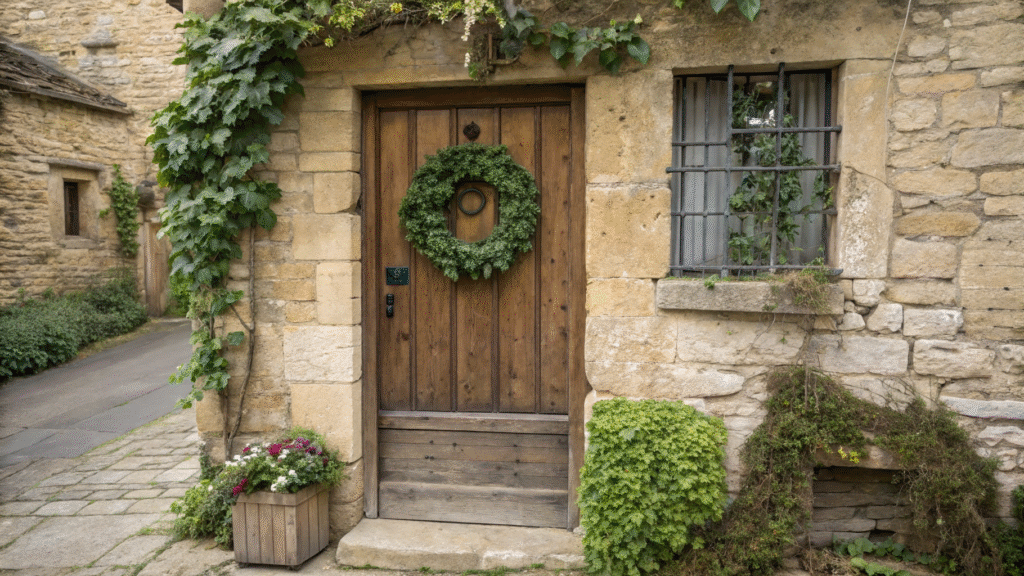
In ancient Celtic traditions, it was believed that where clover grows especially lush, it marks a gathering place for these elusive entities. Finding a four-leaf clover was thought to grant the bearer the unique ability to see fairies or even make them invisible to mischievous sprites. Its presence was seen as a deterrent for malevolent forces, with people scattering it on thresholds or weaving it into wreaths to protect their homes from negative energy.
10. The Iconic Shamrock & Symbol of Luck
Perhaps the most universally recognized cultural icon derived from clover is the shamrock, a young sprig of clover, which has become the national emblem of Ireland. But the most famous association is, of course, the incredibly rare four-leaf clover. While standard clovers have three leaflets, a genetic mutation occasionally produces a fourth, and finding one is considered a truly fortunate discovery. Each of the four leaves is said to represent a key virtue: faith, hope, love, and luck.
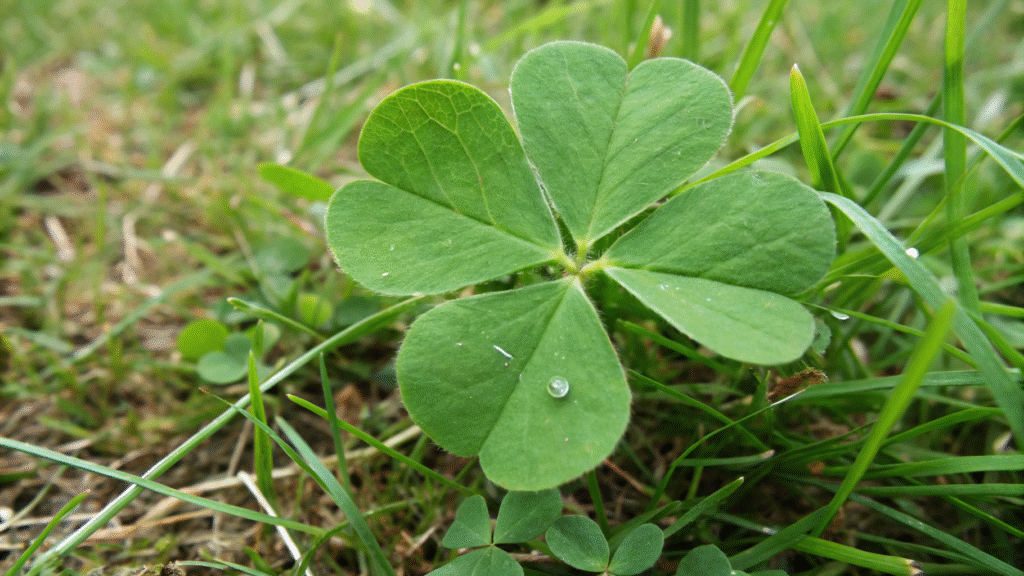
This powerful symbolism has cemented the four-leaf clover’s place in popular culture, folklore, and as a cherished emblem across the globe, making every discovery a moment of personal magic.

Want to See All 10 Amazing Transformations in Action?
Now that you’ve discovered the incredible benefits of clover, from boosting your garden’s health to serving as a magical lucky charm, it’s time to see its beauty and power up close!
Watch our full video, “Your Garden’s Lucky Charm: 10 Ways Clover Transforms Your Outdoor Space!”, for a beautiful visual tour of all these reasons and more!