10 Reasons You Need Yarrow in Your Home and Garden
Achillea millefolium🌿
Welcome, fellow plant enthusiasts and wellness seekers! Today, we’re diving deep into the wonderful world of Yarrow, a plant that truly deserves a spot in every home and garden.
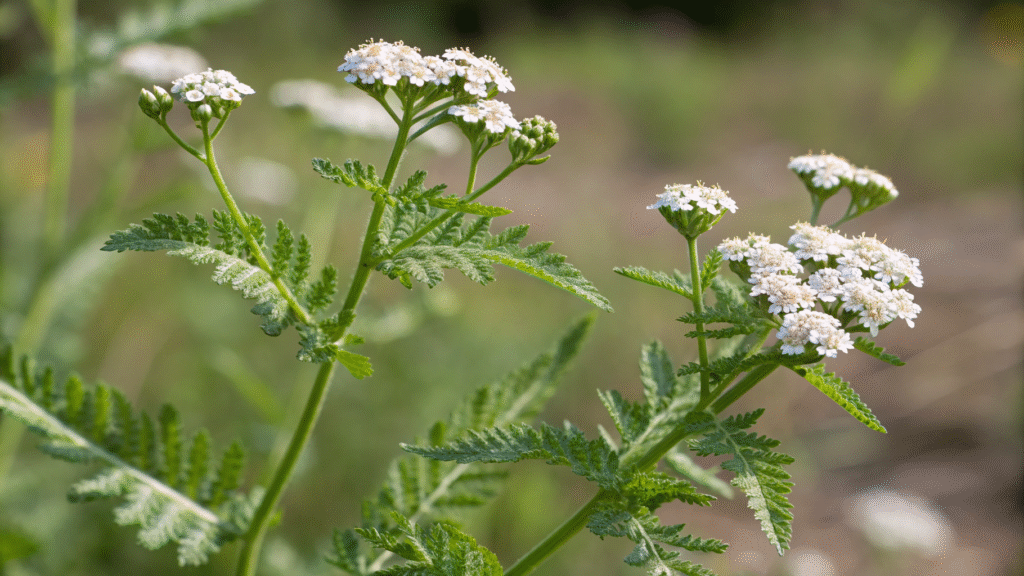
This seemingly unassuming herb is a powerhouse of benefits, ready to soothe ailments, attract helpful garden allies, and even add a unique touch to your culinary adventures. Trust us, once you uncover its secrets, you’ll wonder how you ever lived without it! Let’s explore the top 10 compelling reasons why Yarrow should be an essential part of your life.
1. The Incredible Wound Healer 🩹
Yarrow has been used for centuries for its remarkable ability to promote wound healing. This herb possesses natural compounds that help to stop bleeding and accelerate the repair of damaged tissue.
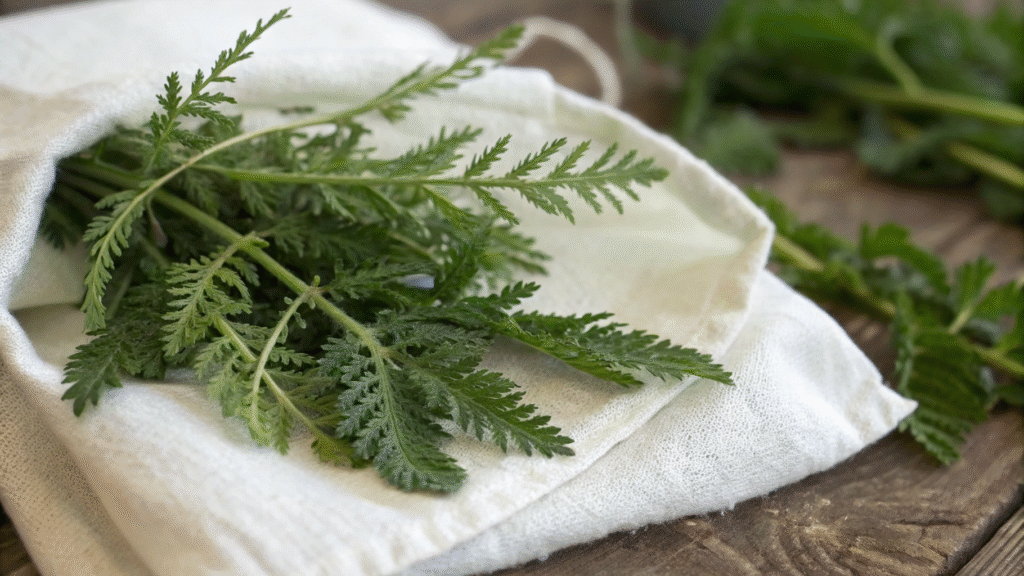
- For minor cuts: If you happen to nick yourself while tending to your plants, simply crush some fresh yarrow leaves and apply them directly to the wound to help staunch the bleeding.
- Historically: Battlefield medics traditionally relied on yarrow poultices to aid in the healing of more serious injuries.
2. Your Gut’s Best Friend & Inflammation Soother 🌱
Yarrow is a fantastic dual-action herb, acting as both a wonderful digestive aid and possessing significant anti-inflammatory properties. Its bitter compounds stimulate digestion, while other constituents work to soothe inflammation throughout the body.
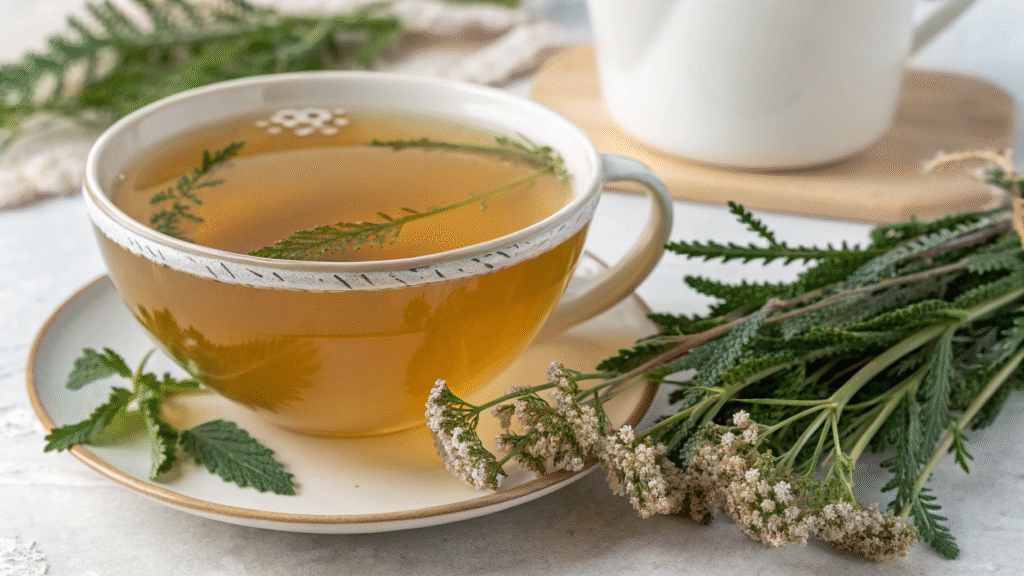
- For digestion: If you experience mild indigestion after a heavy meal, try sipping on a small cup of yarrow tea to help stimulate digestive enzymes and ease discomfort.
- For inflammation: Similarly, a gentle yarrow tea can also help ease the discomfort associated with mild digestive upset caused by inflammation, making it a soothing remedy for your gut.
3. Nature’s Gentle Fever Reducer 🌡️
Yarrow has a long-standing traditional use as a diaphoretic, meaning it can help induce sweating and naturally break a fever. This makes it a valuable and gentle remedy during the initial stages of a cold or flu.

- At the onset of fever: Drinking warm yarrow tea can encourage perspiration, assisting the body in cooling down naturally.
- Historically: It has been a trusted herb for generations in managing childhood fevers.
4. Unlock Radiant Skin & Healthy Hair 💆♀️
Yarrow offers fantastic benefits for both your skin and hair health. Its soothing, astringent, and antiseptic qualities make it a valuable ally for a healthy glow from head to toe.

- For skin: If you have sensitive skin prone to redness or mild irritation, a yarrow-infused toner can provide a calming and soothing effect. Yarrow is also found in some skincare products aimed at reducing the appearance of minor blemishes and improving overall skin tone.
- For hair and scalp: Create a revitalizing yarrow rinse by steeping the leaves and flowers in hot water. Use it after shampooing to help reduce oiliness, soothe an itchy scalp, and promote healthier, shinier hair by encouraging good scalp circulation.
5. A Gardener’s Best Friend: Attracting Beneficial Insects 🦋🐞
Yarrow is a true asset to any garden, particularly for its ability to attract a wide array of beneficial insects. Its characteristic flat-topped flower heads serve as perfect landing pads and provide valuable nectar for pollinators like ladybugs and hoverflies – natural predators of common garden pests.
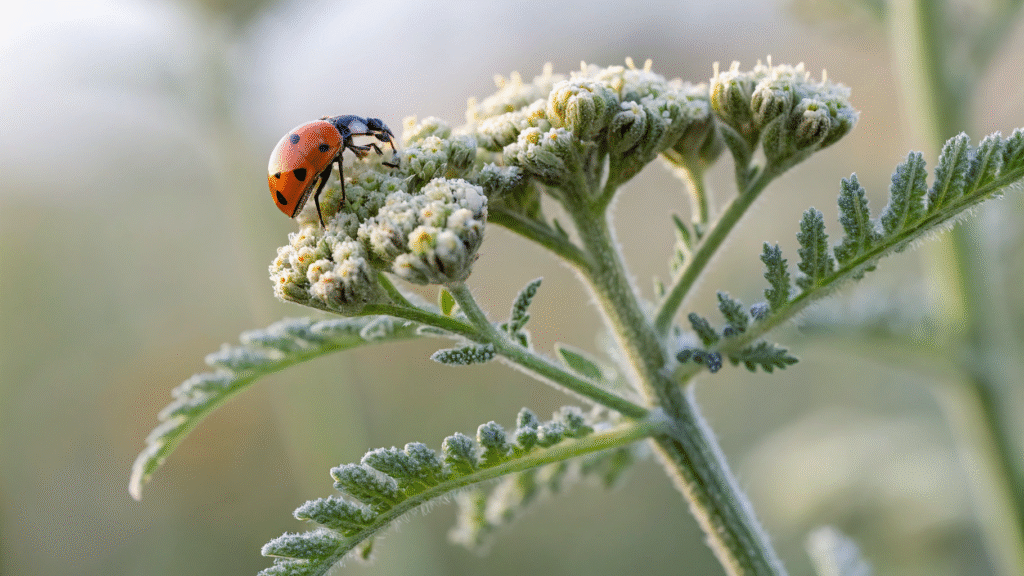
- Natural pest control: By planting yarrow strategically in your vegetable garden and flower beds, you’ll naturally encourage these beneficial insects to take up residence, helping to control pest populations like aphids and caterpillars without the need for harsh chemical pesticides.
- Increased biodiversity: You’ll likely notice an overall increase in the biodiversity and activity within your garden simply by welcoming yarrow.
6. Culinary Delights: From Savory to Sip-Worthy 🍽️
Yarrow offers some unique and intriguing culinary applications, adding a distinct herbal note to both your food and beverages.

- In food: The young, tender leaves of yarrow can be finely chopped and added sparingly to salads for a slightly bitter, peppery zest. Use it cautiously, as the flavor can be quite potent. It can also be incorporated into savory dishes like herb butters, dips, or omelets for an unexpected herbal complexity.
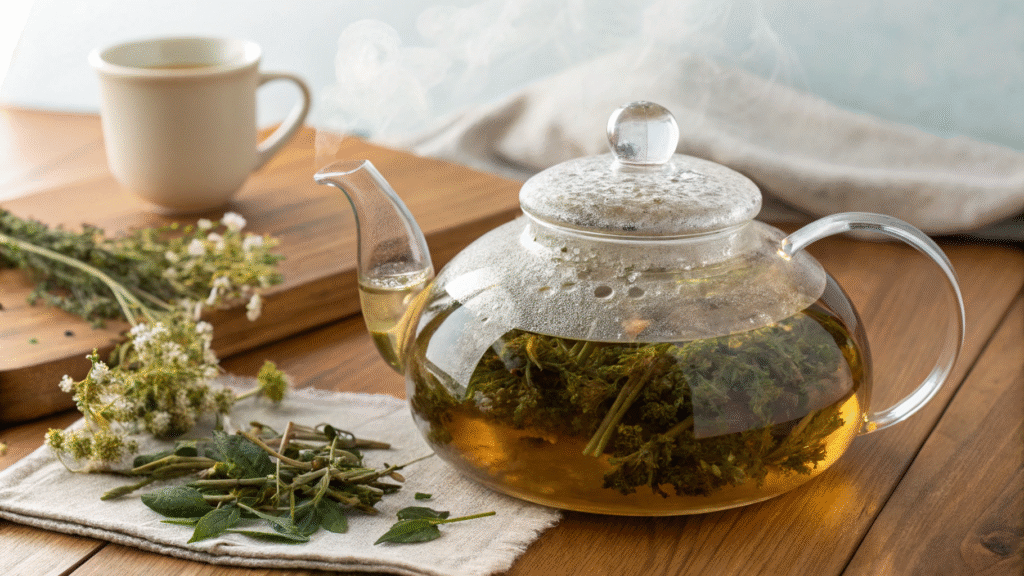
- In beverages: Yarrow has a long and interesting history in flavoring beverages. Traditionally, it was used as a bittering agent in beers before hops became the standard. You can also steep the flowers and leaves to create a unique herbal tea, often blended with other complementary herbs for a mild, earthy infusion.
7. A Natural Shield Against Mosquitoes & Biting Insects 🦟
Yarrow holds remarkable potential as a natural deterrent against mosquitoes and other bothersome biting insects. The plant contains specific compounds that these pesky insects find rather unpleasant.

- DIY repellent spray: Create a simple and effective yarrow spray by steeping its leaves and flowers in water. Once cooled, you can apply this natural solution lightly to your skin or spray it around your outdoor seating areas to help keep mosquitoes, gnats, and even fleas at bay.
- Enjoy your outdoors: It’s a fantastic, natural alternative for those who prefer plant-based solutions for enjoying their garden and outdoor spaces without constant swatting!
8. Enriching Your Soil Naturally 흙
Back in the garden, Yarrow plays a valuable role in improving soil health. Its deep and extensive root system helps to break up compacted soil, improve overall drainage, and increase aeration.
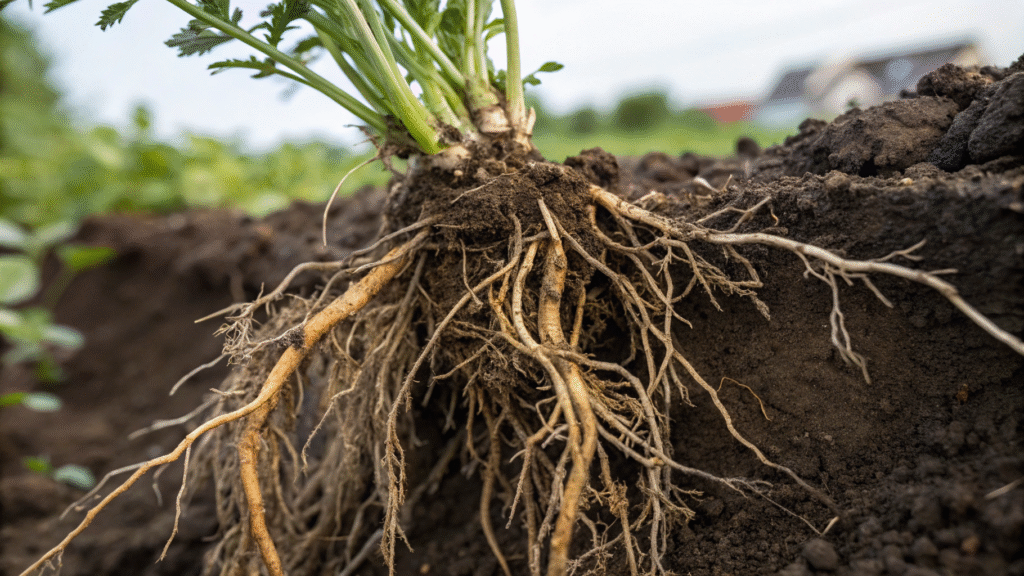
- Dynamic accumulator: Yarrow is also considered a “dynamic accumulator,” meaning its roots draw certain minerals and nutrients from deeper layers of the soil. When the plant’s leaves and stems decompose (either naturally or in your compost pile), these accumulated minerals become more accessible to other plants in your garden.
- Compost booster: Adding yarrow to your compost pile can enrich its nutrient content and contribute to healthier soil for all your plants.
9. Natural Dye & Creative Household Uses 🎨
Yarrow offers some unique potential for natural dyeing and various creative household applications, extending its usefulness beyond the medicinal and culinary realms.
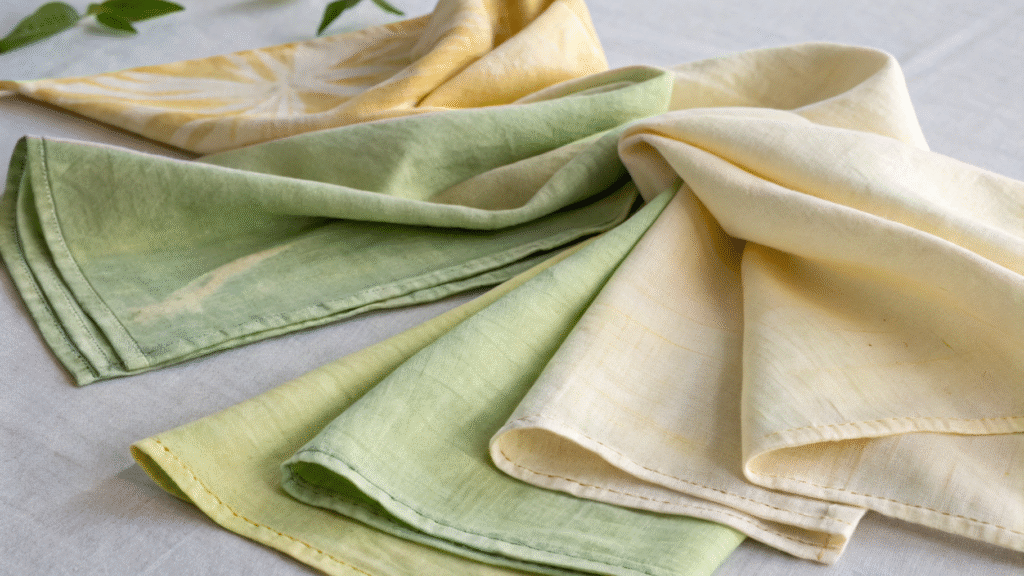
- Natural dyeing: The flowers of yarrow, when used with different mordants (substances that help the dye bind to the fabric), can produce a range of beautiful shades, typically yellows and greens, perfect for naturally dyeing fabrics, yarns, and other fibers. Imagine creating your own unique, naturally colored textiles!
- Household crafts: Beyond dyeing, the dried flower heads and stalks of yarrow can be incorporated into potpourri mixes for their subtle, herbaceous aroma, bringing a touch of the natural world indoors. They can also be used in various dried floral arrangements and other craft projects.
10. Rooted in History & Folklore ✨
Finally, Yarrow boasts a rich history and a significant role in various cultural practices, including folklore and even divination. This ancient herb has been valued and utilized for millennia, connecting us to a deep lineage of herbal wisdom.

- Ancient healing: In ancient Greek mythology, the legendary warrior Achilles was said to have used yarrow to treat the wounds of his soldiers during the Trojan War, which is why the plant received its botanical name, Achillea millefolium.
- Divination practices: In traditional Chinese divination, particularly in the casting of the I Ching, yarrow stalks are famously used to generate hexagrams, offering insights and guidance.
Conclusion: Embrace the Power of Yarrow! 🌿
So there you have it – the top 10 compelling reasons why Yarrow deserves a cherished spot in your home and garden! From its potent medicinal properties and garden-enhancing abilities to its fascinating culinary uses and historical significance, this herb truly is a gift from nature. We encourage you to explore the wonders of Yarrow and experience its transformative benefits firsthand.
If you’re passionate about discovering the amazing world of herbs, be sure to subscribe to The Herbal Keys for more insightful content!
Are you ready to welcome Yarrow into your life? Share your thoughts and experiences in the comments below!